
Muhammad Ayub Khan (1907–1974): Pakistani military leader and president
Muhammad Ayub Khan was a Pakistani army officer who led the country as President from 1958 to 1969, known for economic modernization, political centralization under martial law, the 1965 India war, and a contested 1965 election.
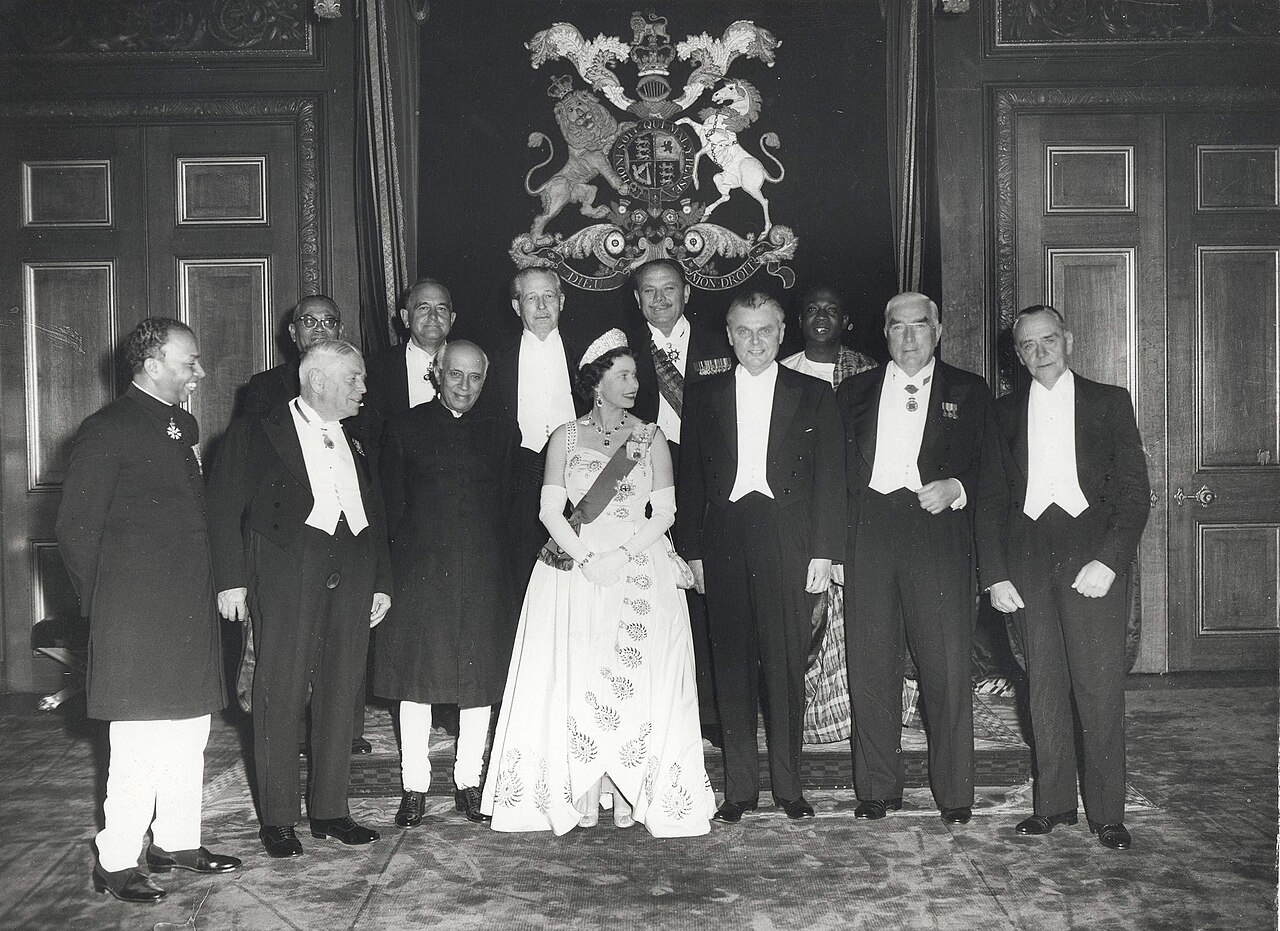
Muhammad Ayub Khan (14 May 1907 – 19 April 1974) was a senior officer of the Pakistan Army who rose to national power in the late 1950s. He governed Pakistan as head of state between 1958 and 1969 after assuming control in a military-backed takeover. His period in office combined efforts at rapid economic and infrastructural development with authoritarian political controls, leaving a complex and debated legacy.
Image gallery
10 Images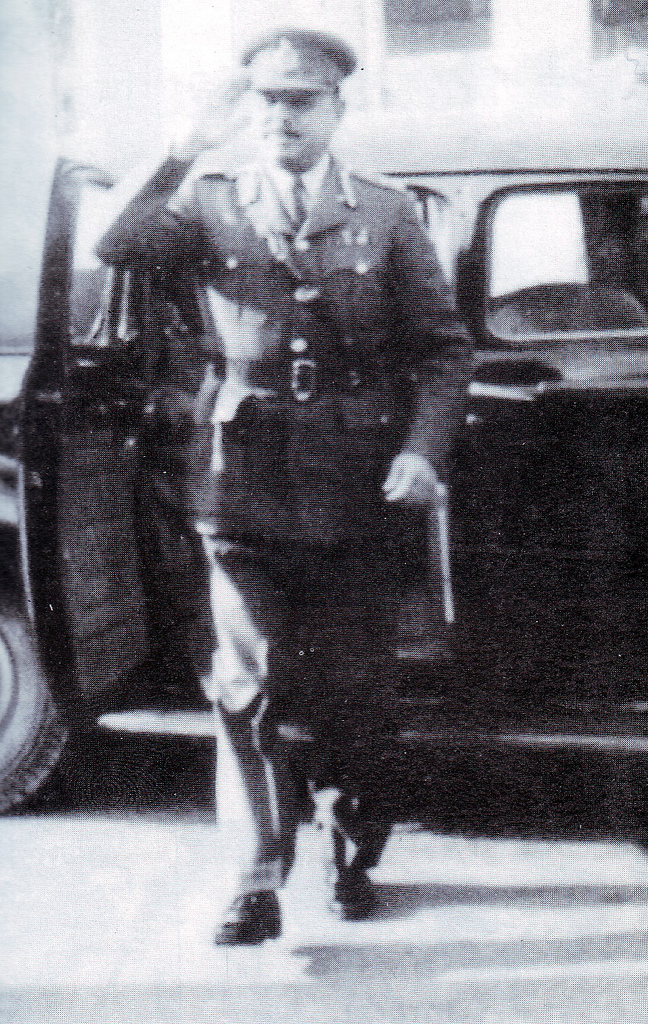




Early life and military career
Born in what was then British India, Ayub Khan entered military service and advanced through the officer ranks. In 1951 he became Pakistan's first native Commander-in-Chief, taking a leading role in shaping the young country's armed forces and civil-military relations. During the 1960s he was elevated to the rank of Field Marshal, a unique distinction in Pakistani military history.
Rise to power and rule
In 1958 Ayub Khan seized control of government authority in a bloodless change that replaced a fragile civilian administration. He imposed martial law, suspended many political norms and later assumed the office of President. His regime established a system of local councils called the Basic Democracies intended to provide controlled political participation while consolidating central authority.
Policies, foreign relations and the 1965 war
Ayub pursued policies that promoted industrialization, large-scale infrastructure projects and closer economic ties with Western countries, including a strategic partnership with the United States. His government emphasized modernization but critics say benefits were unevenly distributed. Tensions with India culminated in the 1965 war, a major event that shaped public opinion and regional diplomacy during his presidency.
Controversies, 1965 election and resignation
The 1965 presidential election, in which Ayub faced Fatima Jinnah, was marred by accusations of manipulation and restricted political freedoms. Growing unrest and political opposition led to mass protests in 1968–69; Ayub eventually stepped down in 1969 and handed power to his military successor. He spent his later years largely removed from active politics and died in 1974.
Legacy and notable facts
Assessments of Ayub Khan balance his role in accelerating industrial and infrastructural development with criticism for authoritarian governance and limited political freedoms. His era is often cited in discussions about Pakistan's early state-building, civil-military relations and developmental strategy.
- Unique rank: The Field Marshal title made him the only holder of that rank in Pakistan's history. Field Marshal
- Military origin: A career army officer who became head of state after a non-violent takeover. Pakistan Army
- Political control: Ruled under martial law and later as President.
- Historical place: Central figure in mid-20th-century history of Pakistan, influencing civil-military balance and national development policies.
- Firsts: One of the earliest native leaders to hold the top military command, serving as Commander-in-Chief.
For further reading on his life and the institutions he influenced, consult specialized histories and biographies that examine both the accomplishments and the controversies of his tenure.
Related articles
Author
AlegsaOnline.com Muhammad Ayub Khan (1907–1974): Pakistani military leader and president Leandro Alegsa
URL: https://en.alegsaonline.com/art/114772