
Arlen Specter: U.S. Senator from Pennsylvania
Profile of Arlen Specter (1930–2012), a long-serving U.S. senator, his legal and military background, Senate career, 2009 party switch, and his political legacy.
Arlen Specter (1930–2012) was a prominent American politician and lawyer who represented the state of Pennsylvania in the United States Senate for three decades. Known for a pragmatic, sometimes centrist approach, he served on key committees and frequently cast influential votes on judicial confirmations and legislative debates. Late in his career he changed affiliation to the Democratic Party in 2009 after many years as a Republican, and he had earlier sought the Republican presidential nomination in 1996 (1996 campaign).
Image gallery
8 Images



Early life and education
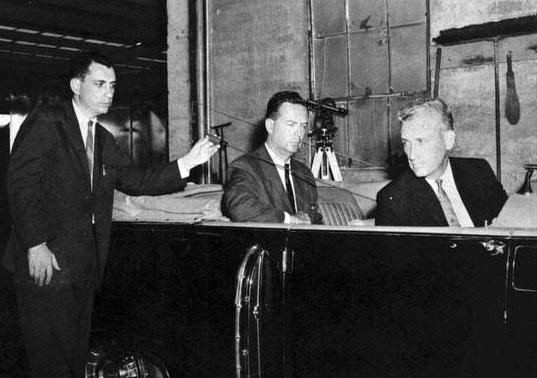
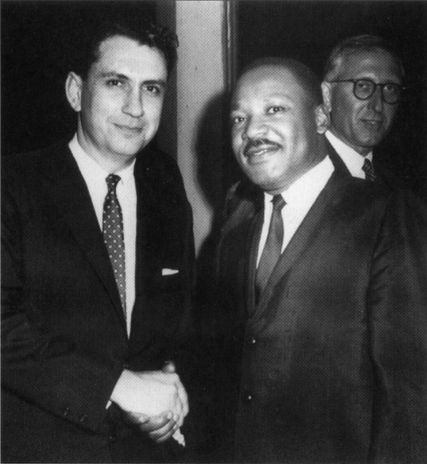
Specter was born in Wichita, Kansas. He moved east for his studies, earning an undergraduate degree from the University of Pennsylvania and later completing his law degree at Yale Law School. He served in the United States Air Force during the period of the Korean War, an experience that preceded his long career in law and public service.
Legal and political career
Before his election to the Senate, Specter pursued a legal career that included roles as a prosecutor and as an elected local official. He entered the U.S. Senate in the early 1980s and served for thirty years. During his tenure he held leadership posts on major committees, including the Senate Judiciary Committee, where he helped shape and moderate high-profile confirmation fights and legal policy debates.
Political stance and party switch
Specter was widely regarded as a centrist and sometimes a swing vote whose decisions could decide closely divided issues. Growing tensions within his original party and a difficult primary campaign contributed to his decision to join the Democratic caucus in 2009, a move that received intense media attention and altered the balance of power in the Senate for a time.
Legacy and later life
Observers remember Specter for his independent streak, long incumbency, and role in shaping judicial appointments and legislation across multiple decades. He was married and had two children. Specter died in Philadelphia in 2012 from non-Hodgkin lymphoma, leaving a complex legacy as a bridge between ideological wings of American politics.
- Born: Wichita, Kansas (birthplace)
- Education: University of Pennsylvania, Yale Law School
- Military service: U.S. Air Force during the Korean War
- Notable actions: long Senate tenure; party switch to Democrats; 1996 presidential bid (campaign)
Specter's career illustrates the influence a single senator can have over judicial and legislative outcomes, and his life remains a reference point in discussions about moderation, party realignment, and the role of individual conscience in public office.
Related articles
Author
AlegsaOnline.com Arlen Specter: U.S. Senator from Pennsylvania Leandro Alegsa
URL: https://en.alegsaonline.com/art/114542
Sources
- graphics8.nytimes.com : "Upset in Philadelphia"
- washingtonpost.com : "Arlen Specter dies; he was Pennsylvania's longest-serving senator"