
Wichita, Kansas — Overview, History, Economy and Notable Features
Wichita is the largest city in Kansas and a regional center for aviation manufacturing, education, culture and commerce. This article summarizes its history, economy, institutions and notable landmarks.
Overview
Wichita is the largest city in the U.S. state of Kansas and serves as the county seat of Sedgwick County. The city is a principal city of the Wichita metropolitan area, which serves as a regional hub for south-central Kansas. As of the 2020 census the city itself had just under 400,000 residents; earlier estimates placed the larger metro population in the mid‑600,000s.
Image gallery
10 Images

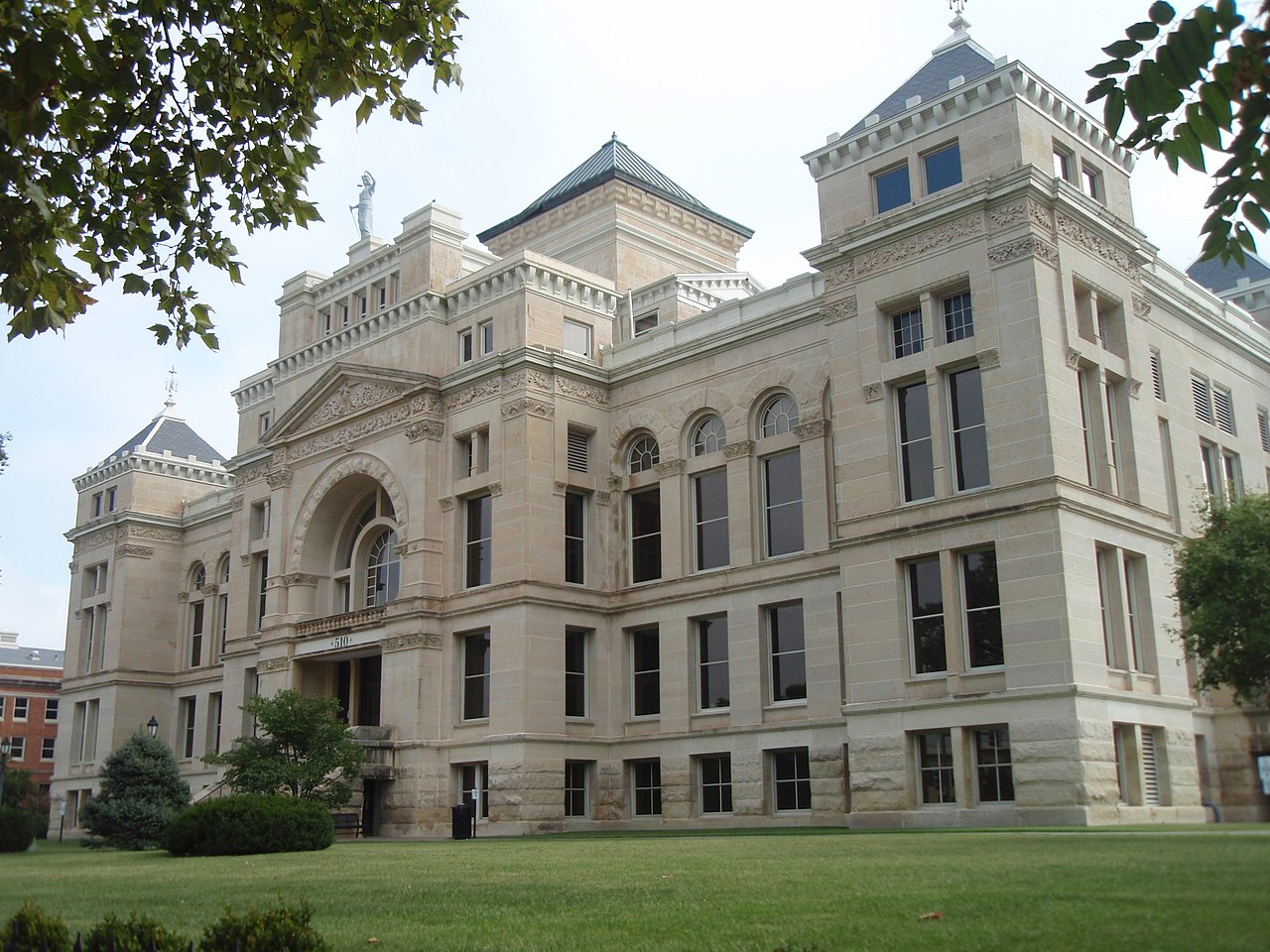




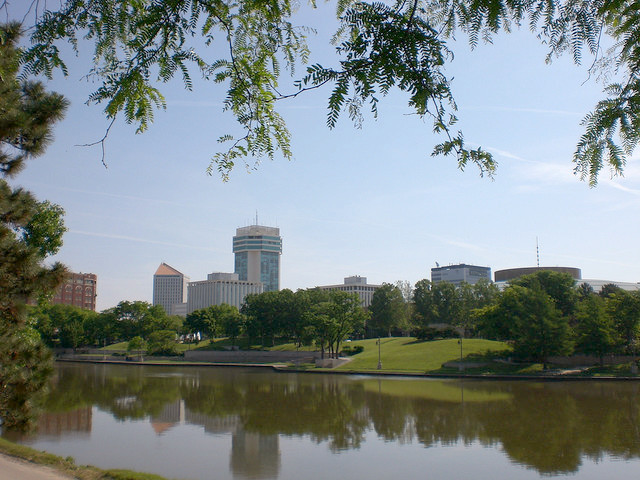


Characteristics and layout
Wichita lies along the Arkansas River and combines a compact downtown with sprawling residential neighborhoods and industrial corridors. The city includes university campuses, medical centers, museums and parks. A mix of historic districts and modern developments reflects Wichita's growth from a trading and transportation center into a diversified urban economy.
History and development
Wichita grew from 19th‑century trading posts and river settlements and expanded rapidly after rail connections and later highways linked it to regional markets. The arrival of aircraft manufacturing in the early 20th century reshaped the city's economy and identity. Indigenous Wichita people originally inhabited the region, and the city's name reflects that heritage.
Economy and industry
Manufacturing—especially aviation—has been central to Wichita's economy. The city and its suburbs host major aircraft manufacturers and many parts suppliers, a cluster that earned the area a long‑standing reputation as an aviation center. Other important sectors include education, healthcare, finance, and professional services.
- Aerospace and manufacturing: large employers and numerous suppliers support design, assembly and components.
- Education and research: Wichita State University and other institutions contribute to workforce development and applied research.
- Healthcare and services: regional medical centers serve a broad rural hinterland.
Culture, institutions and notable facts
Wichita is home to Wichita State University and a variety of cultural attractions such as historic theaters, museums and public art installations. The city maintains parks along the river, annual events, and heritage sites that recall its frontier and aviation past. Locally notable features include historic neighborhoods, performing arts venues and civic monuments.
Transportation and connections
Wichita functions as a transportation hub for central Kansas with airport, highway and rail connections that support commerce and travel. Its role as a manufacturing center and regional service provider continues to shape planning and economic development efforts. For official and civic information see local government and regional planning resources, including county pages such as Sedgwick County and metropolitan resources for the Wichita area.
Related articles
Author
AlegsaOnline.com Wichita, Kansas — Overview, History, Economy and Notable Features Leandro Alegsa
URL: https://en.alegsaonline.com/art/107930
Sources
- harris1.net : "The Air Capital Story: Early General Aviation & Its Manufacturers"
- visitwichita.com : "Travel Translator: Your guide to the local language in Wichita"
- geonames.usgs.gov : Geographic Names Information System (GNIS) details for Wichita, Kansas; United States Geological Survey (USGS); October 13, 1978.
- census.gov : "US Gazetteer files 2010"
- census.gov : "American FactFinder"
- census.gov : "Population and Housing Unit Estimates"
- tools.usps.com : "USPS - Look Up a ZIP Code"
- census.gov : "Population Estimates"
- census.gov : "Metropolitan and Micropolitan Statistical Areas"
- historicpreservationalliance.com : "Grove Park Archaeological Site"
- plainshumanities.unl.edu : "Wichitas"
- lib.utexas.edu : "Early Indian Tribes, Culture Areas, and Linguistic Stocks [Map]"
- kshs.org : "Louisiana Purchase"
- kshs.org : "Kansas Territory"