
Ana Brnabić: Serbian prime minister — career, significance and background
Overview of Ana Brnabić, Serbia's prime minister since 2017: her career, political role, historic firsts, policy focus and the public reaction to her appointment.
Overview
Ana Brnabić (born 28 September 1975) is a Serbian politician who has served as the Prime Minister of Serbia since 29 June 2017. Her appointment marked two historic firsts for the country: she is the first woman to hold the office and the first openly gay person to become head of government in Serbia. Her selection attracted international media attention and was described by many observers as a notable milestone for representation in the region.
Image gallery
8 Images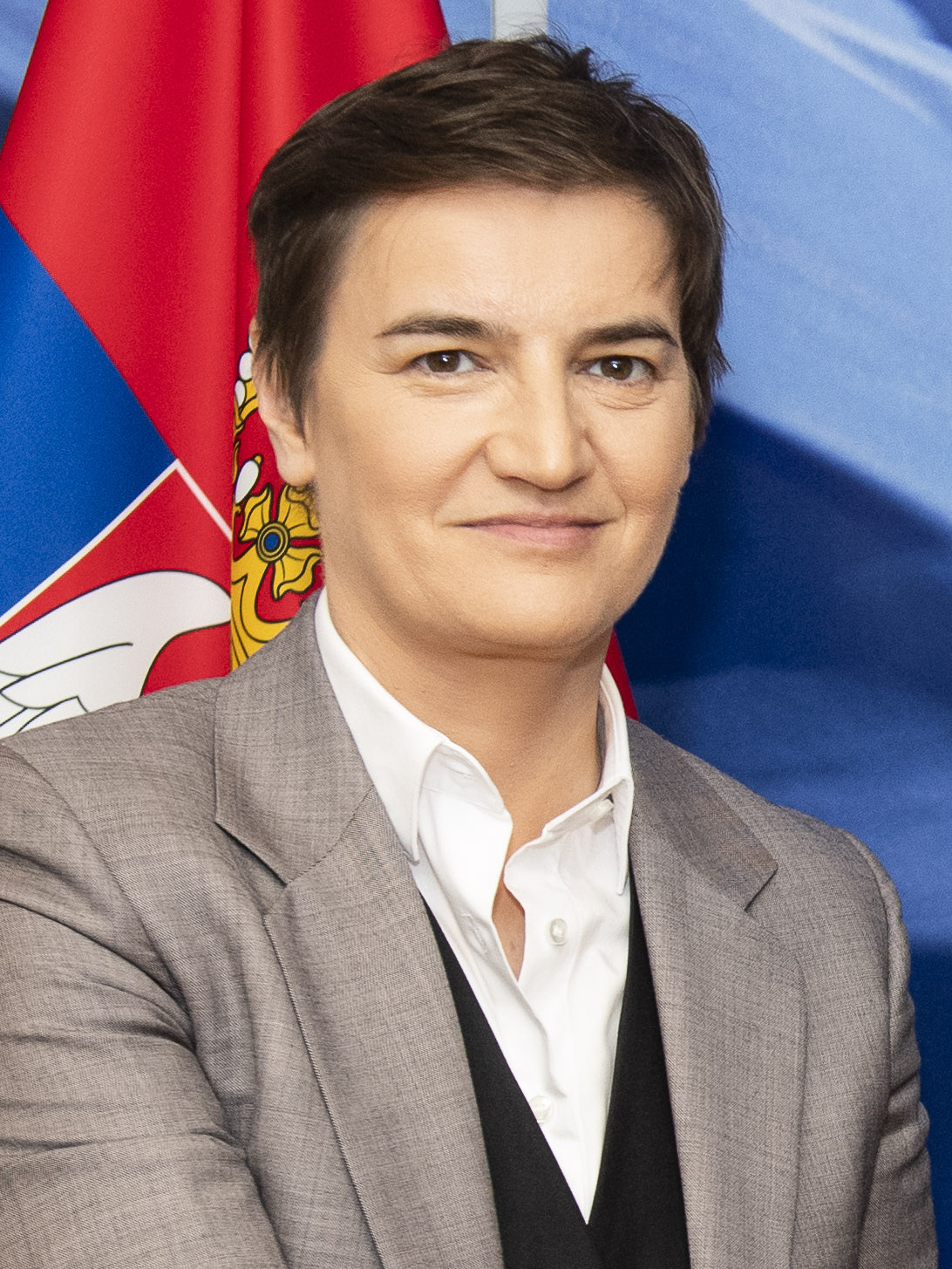




Career and offices
Before becoming prime minister, Brnabić served as Minister of Public Administration and Local Self-Government from 11 August 2016 until her premiership began in June 2017. She entered government as a non-partisan expert figure and later formed a cabinet after being proposed as prime minister by then-Prime Minister Aleksandar Vučić, who was elected President of Serbia. Her government received parliamentary approval by a majority vote on 29 June 2017.
Policy focuses and professional background
Brnabić has emphasized administrative reform, digital transformation of public services and policies aimed at attracting investment and improving government efficiency. Her political platform has generally aligned with the priorities articulated by the ruling coalition, with public statements highlighting modernization, economic development and efforts to continue Serbia's path of European integration. Observers note her technocratic profile and background in business and management prior to entering government.
Significance and international context
Her term is significant both symbolically and politically. Internationally she is counted among a small number of openly LGBT heads of government: she is often listed alongside figures such as Jóhanna Sigurðardóttir (Iceland), Elio Di Rupo (Belgium), Xavier Bettel (Luxembourg) and Leo Varadkar (Ireland). In regional terms she is widely described as the first openly LGBT head of government in Eastern Europe. Her premiership has been discussed in the context of LGBT representation and rights debates across the continent.
Reception and controversies
The appointment received mixed responses at home and abroad. Many LGBT and human rights advocates welcomed the symbolic importance of an openly gay head of government. At the same time, critics pointed to continuity with the existing political leadership and questioned whether substantive changes to civil liberties, media freedom or anti-corruption measures would follow. Commentators have debated the balance between symbolic progress and the practical impact of government policy under her leadership.
Notable facts and further reading
- She assumed office after Aleksandar Vučić became President; he had proposed her as his successor (Aleksandar Vučić, President of Serbia).
- Her ministerial role before becoming prime minister was in public administration and local self-government (ministerial portfolio).
- She is frequently referenced in lists of LGBT leaders worldwide and in Europe (LGBT milestone, regional significance).
- For contemporary reporting and profiles see available government and news sources (official site, coverage).
For readers seeking more detail on specific policies, timelines or analyses of her administrations, consult dedicated political profiles and reputable news archives linked above.
Related articles
Author
AlegsaOnline.com Ana Brnabić: Serbian prime minister — career, significance and background Leandro Alegsa
URL: https://en.alegsaonline.com/art/114024
Sources
- nytimes.com : "Serbia Gets Its First Female, and First Openly Gay, Premier"
- srbija.gov.rs : Government of Serbia, government makeup
- rs.n1info.com : "Ana Brnabić mandatarka za sastav nove Vlade"
- nytimes.com : "Serbia Lawmakers Elect 1st Female and 1st Openly Gay Premier"