
Amjad Sabri — Pakistani qawwali singer and Sufi performer
Amjad Sabri (1976–2016) was a leading Pakistani qawwali singer from the Sabri family, known for his devotional performances, public broadcasts, and role in keeping the Sufi qawwali tradition alive.
Overview
Amjad Sabri was a prominent Pakistani qawwali singer, celebrated for his emotive delivery of Sufi devotional poetry and classical qawwali repertoire. Born into a well-known musical family, he became one of South Asia's best-known qawwals, performing at shrines, concerts and on broadcast media. His work helped sustain and popularize a centuries-old musical tradition for contemporary audiences.
Image gallery
3 Images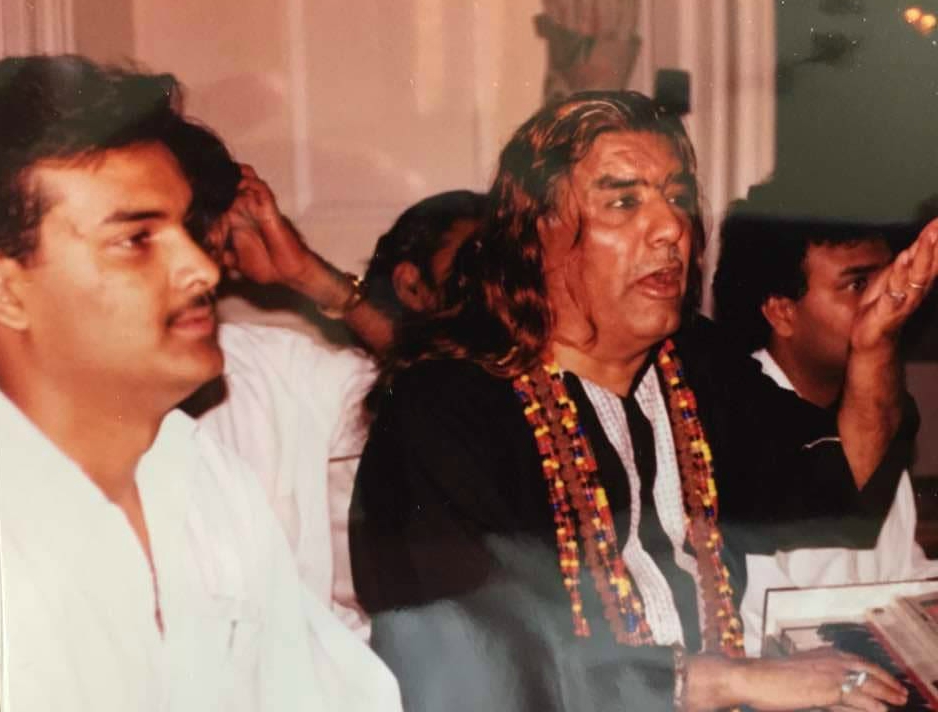


Family background and training
Sabri belonged to the Sabri gharana, a lineage associated with the Sabri Brothers who were influential in 20th-century qawwali. From an early age he received training in classical vocal techniques and the specific rhythmic and call-and-response structures that characterize qawwali. This grounding in tradition informed both his devotional pieces and his more public concert performances.
Musical style and repertoire
His repertoire emphasized devotional themes: praise of the Prophet, mystical longing, and eulogies of Sufi saints. He sang primarily in Urdu and regional languages, using the conventional ensemble of harmonium, tabla, dholak and chorus to create layered, improvisatory performances. Listeners noted his clear diction, powerful voice and the emotional intensity he brought to long-form qawwalis.
Career and public presence
Sabri performed in a wide range of contexts, from shrine ceremonies and private gatherings to televised programmes and public concerts. He recorded albums and appeared widely in the media, bringing qawwali into mainstream cultural conversation. For general background on his life and work see biographical summaries, and for the musical tradition he represented consult resources on qawwali.
Death and reactions
On 22 June 2016 he was killed in a targeted shooting in Karachi. His death drew widespread condemnation from artists, religious leaders and the public, and led to an outpouring of mourning across Pakistan and among the South Asian diaspora. The killing also prompted renewed discussion about threats to artistic freedom and the place of devotional music in contemporary society.
Legacy
Sabri is remembered for his role in transmitting the qawwali tradition to new listeners and for combining rigorous classical technique with expressive performance. His recordings and filmed performances continue to be studied and enjoyed, and his life is often cited in conversations about cultural preservation, religious expression through music, and the risks faced by public artists in volatile environments.
Related articles
Author
AlegsaOnline.com Amjad Sabri — Pakistani qawwali singer and Sufi performer Leandro Alegsa
URL: https://en.alegsaonline.com/art/113983
Sources
- filmibeat.com : Amjad Farid Sabri
- dawn.com : "Famed qawwal Amjad Sabri gunned down in Karachi"
- tribune.com.pk : "They killed him – The Express Tribune"