
Anton Rubinstein: Russian virtuoso, composer and founder of musical education
Anton Rubinstein (1829–1894) was a leading 19th-century pianist, composer and educator who founded the Saint Petersburg Conservatory and shaped Russian musical life through performance, teaching and institution-building.
Anton Rubinstein (born Anton Vikhvatinets, 28 November 1829 – 20 November 1894) was among the most celebrated pianists of the 19th century and a central figure in Russian musical life. Renowned in his day for the power and sweep of his playing, he was frequently compared with Franz Liszt for his virtuosity. Rubinstein combined a high-profile performing career with substantial work as a composer, conductor and cultural organizer.
Image gallery
6 Images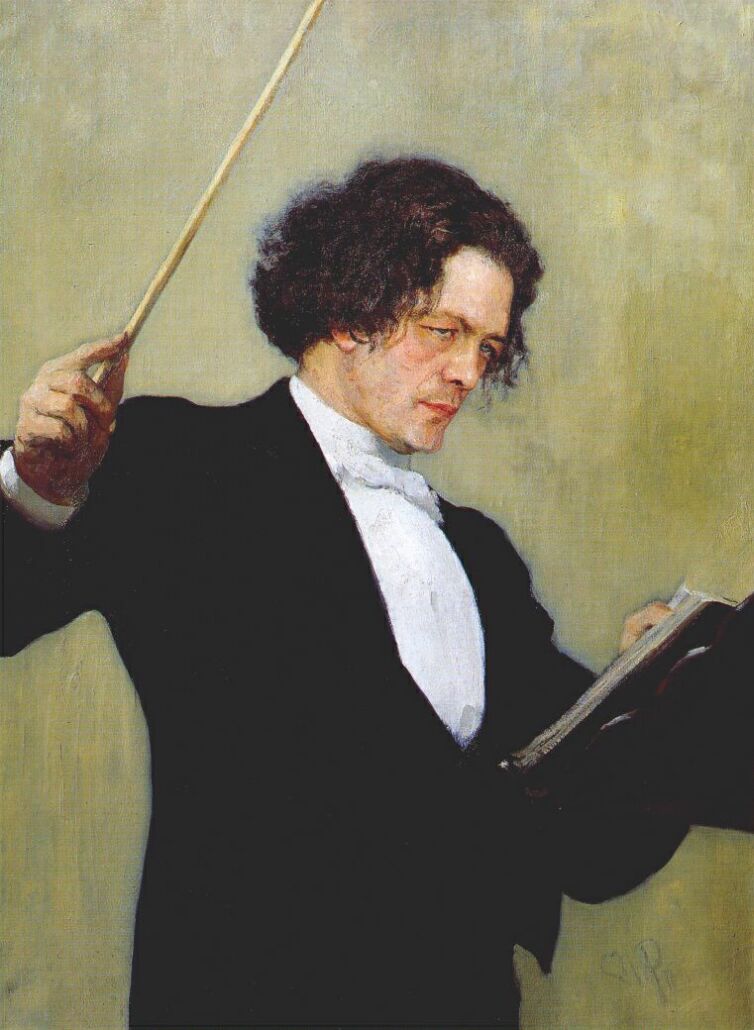


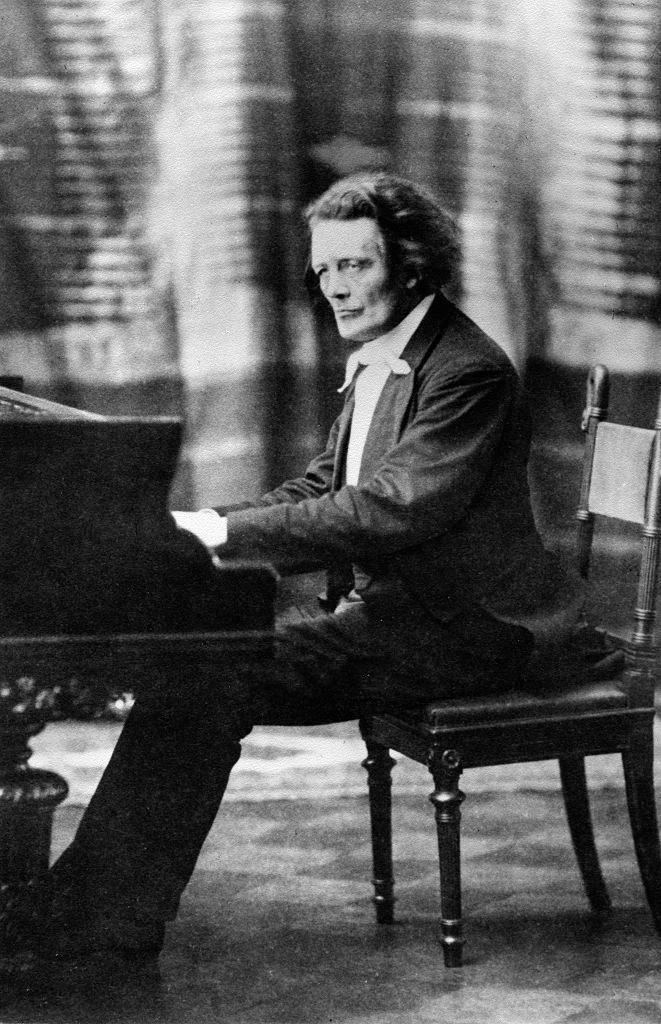

Musical style and major works
Rubinstein wrote across a wide range of forms: orchestral music, operas, piano pieces, songs and chamber works. While much of his output has fallen from the regular concert repertory, certain works remain known to students and listeners, notably the opera The Demon and a number of piano miniatures often anthologized in the 19th and early 20th centuries. His music generally reflects the European conservatory tradition—rooted in Germanic models of form and counterpoint—rather than the deliberately nationalistic idiom advocated by some of his Russian contemporaries.
Educator and institution-builder
Beyond performance and composition, Rubinstein’s lasting influence stems from his role as a teacher and organizer. In 1862 he founded the Saint Petersburg Conservatory and served as its director, establishing a curriculum based on Western conservatory practice and promoting a professionalized system of musical training in Russia. His educational efforts shaped generations of performers and composers and formed a counterpoint to the nationalist movement led by the so-called "Mighty Handful" (Balakirev, Mussorgsky, Rimsky-Korsakov, Borodin and Cui), who championed native folk elements and an alternative path for Russian music.
During his career Rubinstein toured extensively in Europe and the Americas, giving solo recitals and orchestral concerts that strengthened international awareness of Russian musicians. Although critical opinion of his compositions has varied—some praised their craftsmanship while others found them conservative—his importance as a bridge between Western European traditions and the emerging Russian school is widely acknowledged.
- Overview and biography: life and career
- Selected works and editions: scores and lists
- Performances and recordings: recordings
- Conservatory history and pedagogy: educational legacy
- Critical studies and analysis: scholarship
- Context and contemporaries: cultural background
Today Rubinstein is remembered for his commanding pianism, for founding one of Russia’s key music schools, and for a body of compositions that occasionally receives revival. Short pieces such as the popular "Melody in F" preserve his presence in recital anthologies, while operatic and orchestral works are now studied chiefly for their historical role in the development of Russian musical institutions and tastes.
Questions and answers
Q: Who was Anton Rubinstein?
A: Anton Rubinstein was a Russian pianist and composer.
Q: Who were considered the greatest pianists of the 19th century alongside Anton Rubinstein?
A: Alongside Anton Rubinstein, Franz Liszt was also considered to be one of the greatest pianists of the 19th century.
Q: Besides his musical talents, what else was Anton Rubinstein important for?
A: Besides his musical talents, Anton Rubinstein was important as a teacher and influenced many Russian musicians.
Q: Did Anton Rubinstein compose a lot of music?
A: Yes, Anton Rubinstein composed lots of music.
Q: Is Anton Rubinstein's music still commonly heard nowadays?
A: No, hardly any of Anton Rubinstein's music is heard nowadays.
Q: What is Anton Rubinstein's best remembered composition today?
A: Anton Rubinstein's best remembered composition today is a little piece of piano music called "Melody in F".
Q: When was Anton Rubinstein born and when did he die?
A: Anton Rubinstein was born on November 28, 1829, and he died on November 20, 1894.
Related articles
Author
AlegsaOnline.com Anton Rubinstein: Russian virtuoso, composer and founder of musical education Leandro Alegsa
URL: https://en.alegsaonline.com/art/114478