
Alvin Sargent — American Screenwriter and Two-Time Academy Award Winner
Alvin Sargent (1927–2019) was an American screenwriter known for character-driven drama and a long career in film and television; he won two Academy Awards for the screenplays of Julia and Ordinary People.
Overview
Alvin Sargent (April 12, 1927 – May 9, 2019) was an American screenwriter whose work ranged from intimate dramas to large studio films. He gained wide recognition for scripts that emphasized character psychology and human relationships. Over a career spanning several decades he wrote for television and cinema and earned major industry honors for his screenplays.
Image gallery
1 Image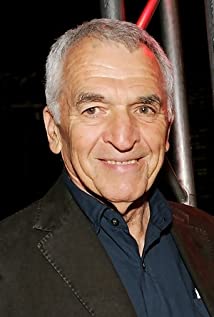
Career and writing style
Sargent began writing professionally in the mid-20th century and moved between television series and feature films. His scripts are often described as character-focused and emotionally nuanced: he favored scenes that explored interpersonal conflict and moral complexity rather than spectacle. Colleagues noted his skill at adapting source material and at polishing dialogue to suit actors and directors.
Major works and awards
Among Sargent's best-known film credits are the screenplays that brought him the highest recognition. He won two Academy Awards for his screenplays of Julia and Ordinary People. His body of work also includes adaptations and studio projects that show his versatility across genres, from intimate drama to larger commercial pictures. For more on his credited films and television work see the profile on his career career overview.
Selected credits
- Julia — screenplay (award-winning)
- Ordinary People — screenplay (award-winning)
- Television scripts and adaptations across the 1950s–1970s
- Later studio features, including contributions to major franchise pictures
Legacy and later life
Sargent's influence is visible in writers who prioritize character and subtle emotional arcs. He continued working into later life and was sometimes brought in to help refine or rewrite scripts for established franchises, a testament to his reputation as a dependable, actor-friendly dramatist. For an obituary and remembrances published after his death, see the notices and tributes here and here.
Notable facts and further reading
He died in Seattle, Washington, on May 9, 2019, at age 92. Researchers and readers can consult archival interviews and industry histories for more detail; film databases and archive collections contain credits, interviews and production notes that illuminate his methods. Additional resources and archival material can be found via dedicated pages and collections listed here and in public film archives here.
Related articles
Author
AlegsaOnline.com Alvin Sargent — American Screenwriter and Two-Time Academy Award Winner Leandro Alegsa
URL: https://en.alegsaonline.com/art/113899
Sources
- hollywoodreporter.com : "Alvin Sargent, Oscar-Winning Screenwriter of 'Julia' and 'Ordinary People,' Dies at 92"