
Ali Bongo Ondimba
Gabonese political leader, son of Omar Bongo, who served as President from 2009 until his removal in 2023; noted for contested elections, health crises and offshore finance allegations.
Ali Bongo Ondimba (born Alain Bernard Bongo, February 9, 1959) is a Gabonese public figure who led Gabon's government for more than a decade. He succeeded his father after a long family presence in national politics and served as the country's head of state from October 2009 until he was removed from power in a military takeover in August 2023. He is often described simply as a Gabonese politician and is widely known outside Gabon for the controversies and health problems that marked his time in office.
Image gallery
8 Images


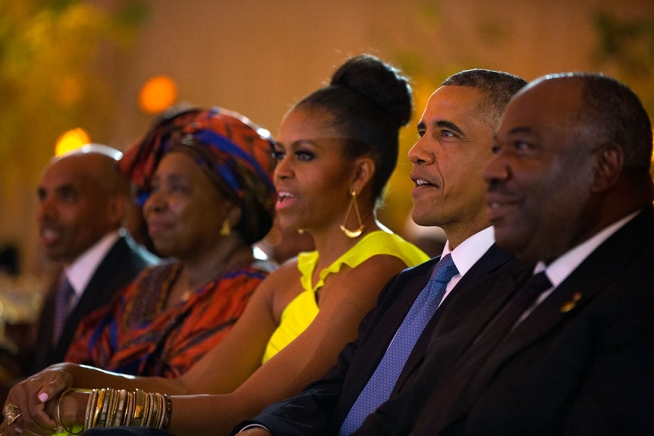

Early life and rise
Ali Bongo is the son of Omar Bongo, who governed Gabon for several decades. Educated in Gabon and abroad, he entered public service and held ministerial and advisory positions before being presented as his father's political heir. His elevation to the presidency followed Omar Bongo's death and a presidential election in 2009. Supporters presented his succession as continuity, while critics saw it as the extension of a political dynasty.
Presidency: policies and contested elections
During his presidency Ali Bongo pursued policies that mixed economic modernization with efforts to diversify an economy long dependent on oil. His administration promoted infrastructure projects, foreign investment, and initiatives to develop other sectors, but it also faced persistent criticism over governance, transparency and the distribution of national wealth. The 2016 presidential election was particularly disputed; official results declared Bongo the winner by a narrow margin, prompting allegations of fraud, protests and a polarized domestic response.
Health, legal scrutiny and financial allegations
Bongo's health became a public concern after a serious medical episode in October 2018 while on a trip to Saudi Arabia; authorities reported he had suffered a stroke during that visit to Riyadh. He spent time in hospital and later received treatment abroad, including care in London. Alongside health questions, his name appeared in international media investigations, notably the Pandora Papers in 2021, which linked him to offshore companies and raised questions about financial arrangements. Domestic and international critics used these exposures to press for greater transparency.
Coup attempts and removal from office
Bongo's tenure included a failed coup attempt in January 2019, when a small group of soldiers briefly announced that they had seized power; the attempt did not succeed and constitutional authorities restored control. More consequentially, in August 2023 elements of the Gabonese military seized power following a disputed election, declared the annulment of results and announced the removal of the president. The August 2023 events brought an end to Bongo's uninterrupted period in office and opened a new chapter in Gabonese politics.
Legacy and notable facts
Ali Bongo Ondimba's legacy is mixed. Supporters point to efforts at economic reform and international engagement; critics emphasize contested mandates, governance concerns and the familial character of Gabonese political life. Key points often highlighted in discussions of his career include:
- Succession from a long-ruling political family and the challenges of political continuity.
- Repeated international attention for health issues that affected his capacity to govern.
- Allegations of impropriety in financial arrangements, as reported in multinational investigations.
- The role of the military in Gabonese politics, underscored by both the 2019 attempt and the successful 2023 coup.
For readers seeking more detail on events mentioned here, sources and timelines can be consulted through contemporary news archives and official statements regarding Gabon's elections, medical bulletins and investigative reports. Further reading is available via official biographies and analytical pieces that examine how natural-resource governance, political institutions and familial networks shaped his years in power.
More on his political profile | Official presidential records | Health incident report | Details of the Riyadh visit | Hospitalization updates
Related articles
Author
AlegsaOnline.com Ali Bongo Ondimba Leandro Alegsa
URL: https://en.alegsaonline.com/art/113834
Sources
- africaintelligence.fr.html : Africa Intelligence
- cbc.ca : "Gabon's government quashes coup attempt, killing 2, officials say"
- mg.co.za : "Three reasons why the Gabon coup failed"
- bloomberg.com : "Gabon President Hospitalized in London as Health Deteriorates"