
Alassane Ouattara
Ivorian economist and politician who served as Prime Minister (1990–1993) and became President of Côte d'Ivoire after the 2010–2011 crisis, known for economic reform, reconstruction and contested political debates.
Overview
Alassane Ouattara (born 1 January 1942) is an Ivorian economist and long-serving political figure. Trained in economics and finance, he held senior posts in international and national financial institutions before entering high-level politics. Ouattara served as Prime Minister of Côte d'Ivoire from November 1990 to December 1993 and later became President in 2011 following the disputed 2010 election cycle and a period of political crisis.
Image gallery
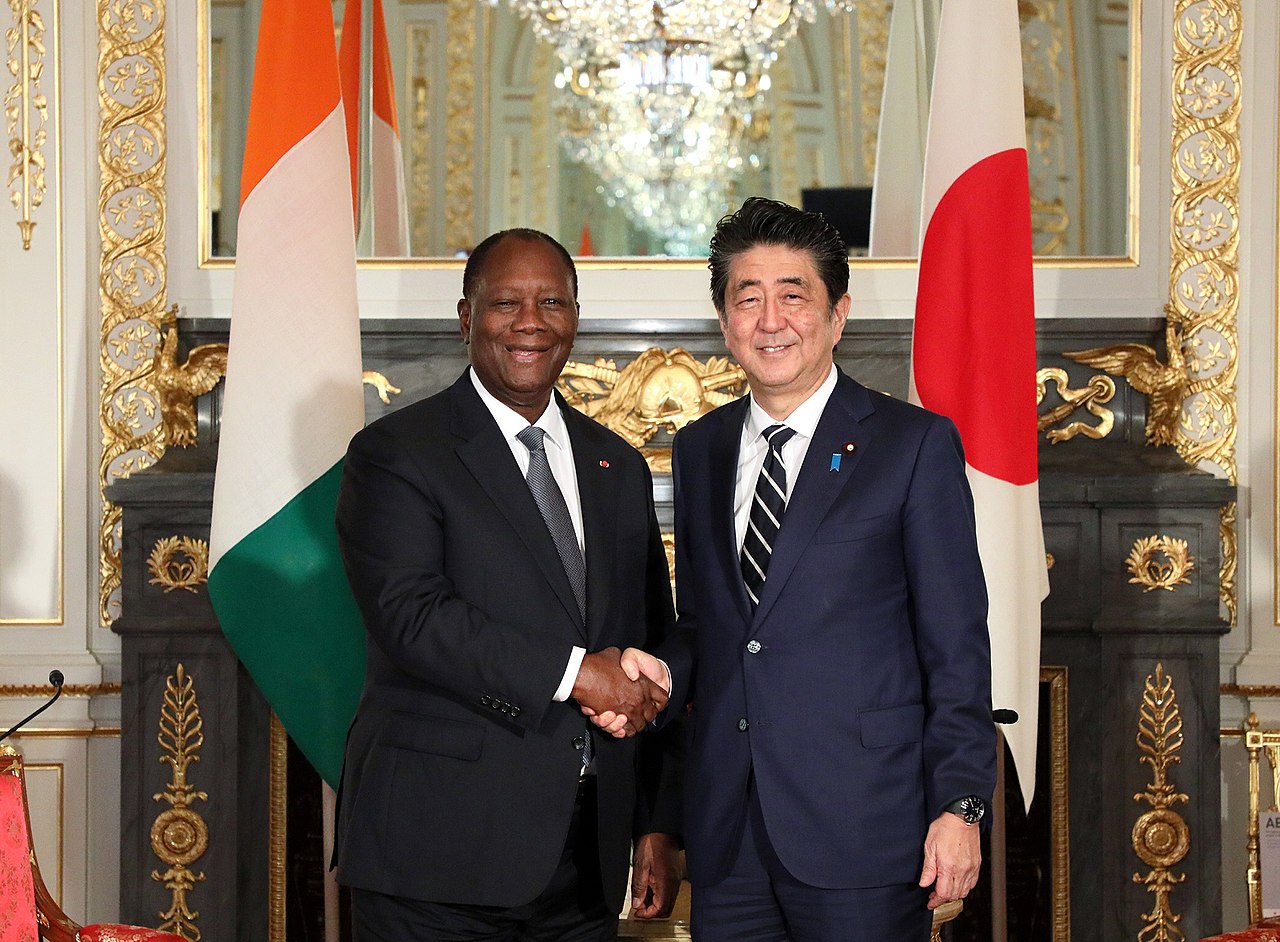
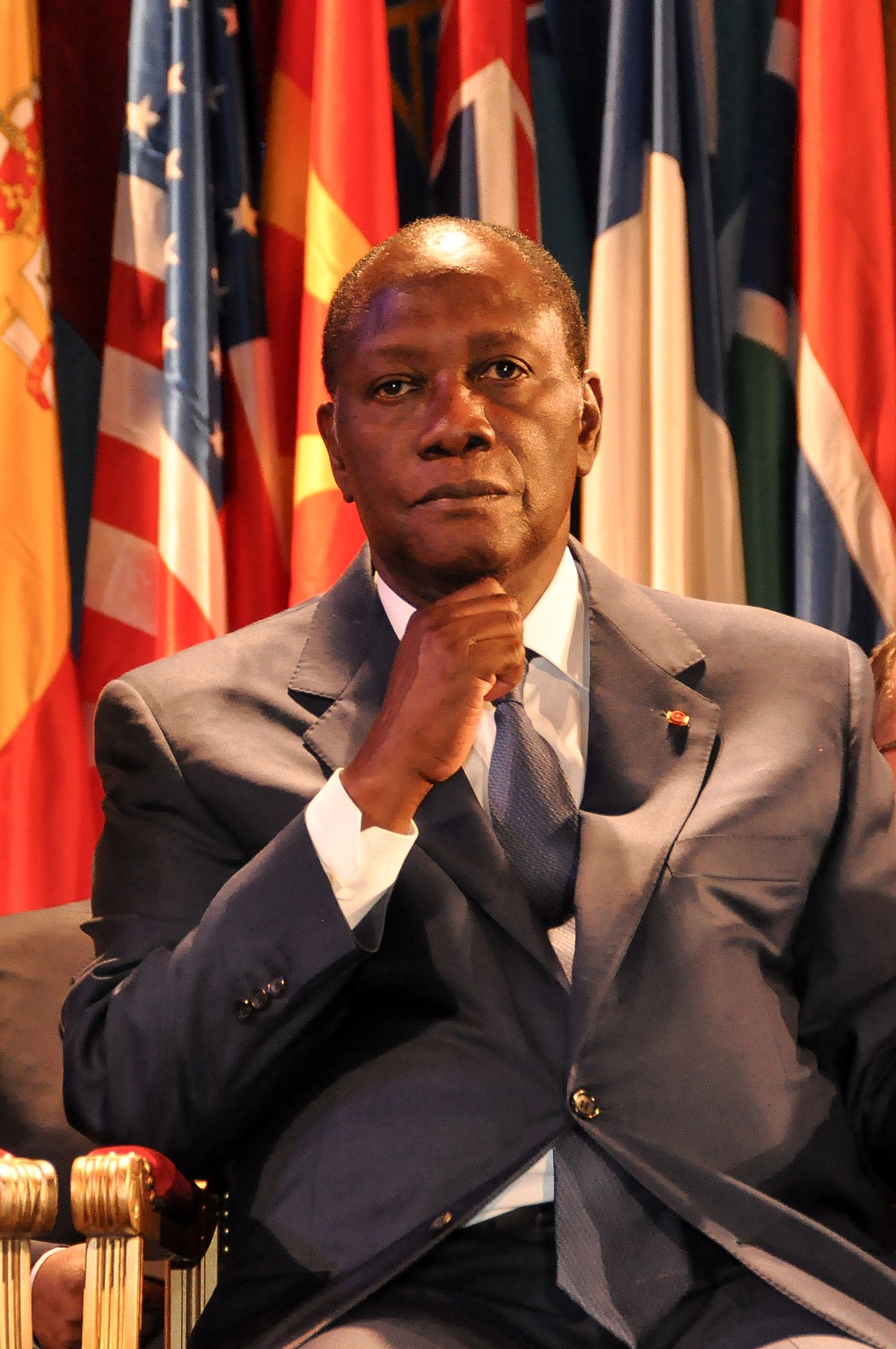
5 Images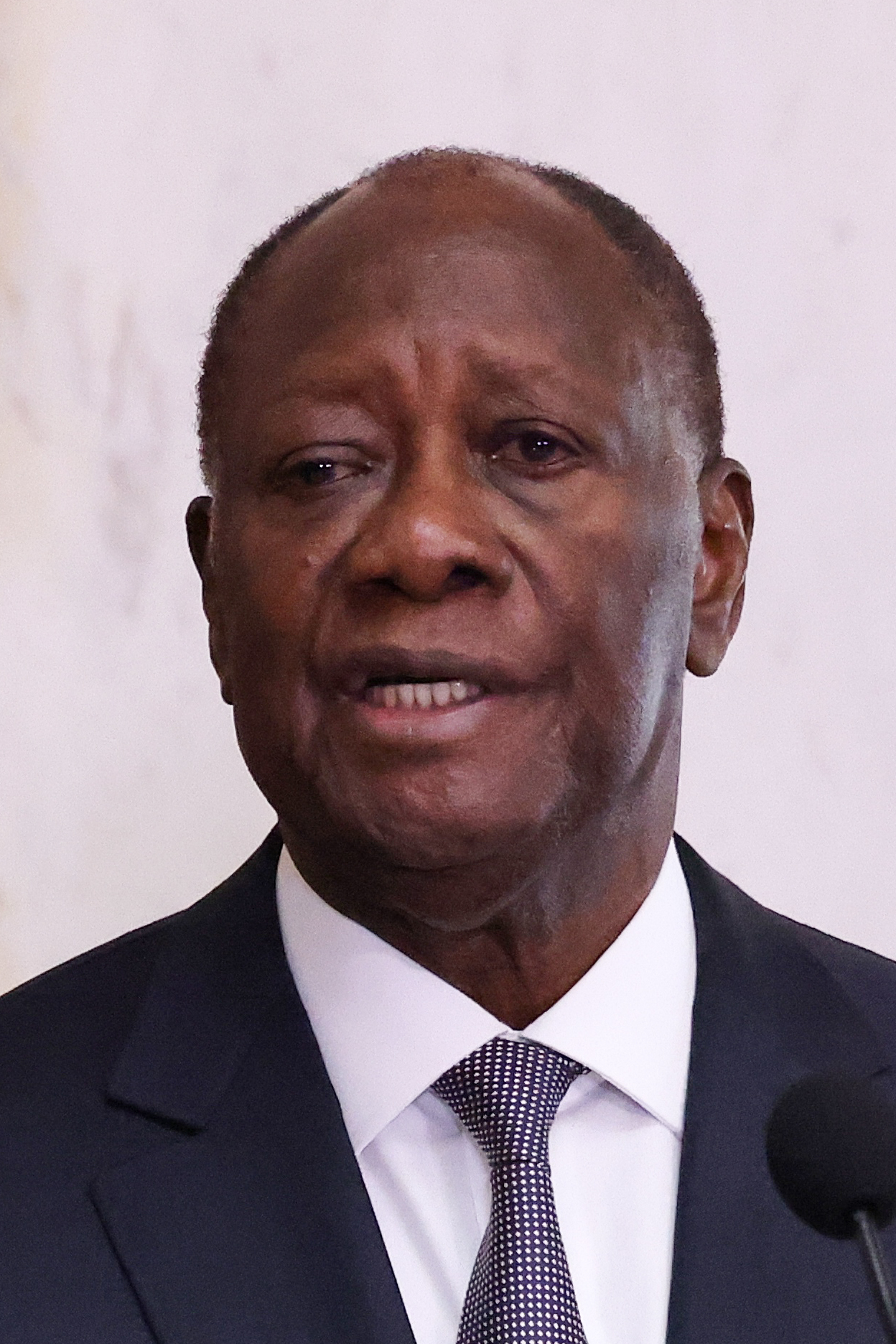


Early career and financial background
Ouattara built his early career in economics and public finance, working for international organizations and in roles that connected West African economies to global markets. He is widely associated with the International Monetary Fund (IMF) through advisory and technical positions. That background shaped his reputation as a technocrat and informed his emphasis on fiscal stability when he later returned to domestic politics.
Political rise and prime ministership
Entering national politics in the late 1980s and early 1990s, Ouattara was appointed prime minister in 1990. His time as prime minister coincided with structural economic reforms and periods of political transition in Côte d'Ivoire. After leaving the premiership in the early 1990s he remained an influential figure both inside and outside the country, later returning to contest presidential politics.
Presidency and policies
Ouattara assumed the presidency in 2011 amid international recognition and efforts to restore constitutional order after a contested election. His administration prioritized economic recovery, attracting investment, rebuilding infrastructure and reviving key export sectors. Observers note a pragmatic, pro-business orientation, with a focus on macroeconomic stability, public works and partnerships with foreign investors and multilateral institutions. His government also placed importance on restoring public services and encouraging private-sector growth after conflict.
Notable actions and positions
- Held senior economic and financial roles prior to national leadership.
- Served as Prime Minister (1990–1993) and later as President beginning in 2011.
- Pursued reconstruction, infrastructure projects and policies to stimulate growth.
Controversies and legacy
Ouattara's political career has been accompanied by debate. Questions over nationality and eligibility arose in past elections, and later successive presidential terms prompted discussion about constitutional interpretation and term limits. His legacy is often weighed between economic recovery and political tensions: supporters credit him with stabilizing the economy and rebuilding after conflict, while critics point to centralization of power and contested electoral moments. Analysts consider his tenure a significant chapter in Côte d'Ivoire's modern political and economic development.
For further context on his economic work and international roles, see materials from major multilateral institutions and historical accounts of Côte d'Ivoire's post-2010 reconstruction period.
Related articles
Author
AlegsaOnline.com Alassane Ouattara Leandro Alegsa
URL: https://en.alegsaonline.com/art/113528
Sources
- bbc.co.uk : "Ivory Coast's Alassane Ouattara in profile"