
Alan Duncan — British Conservative politician and former development minister
Profile of Alan Duncan, Conservative MP for Rutland and Melton, former Minister at the Department for International Development, and one of the UK's openly gay senior politicians.
Overview
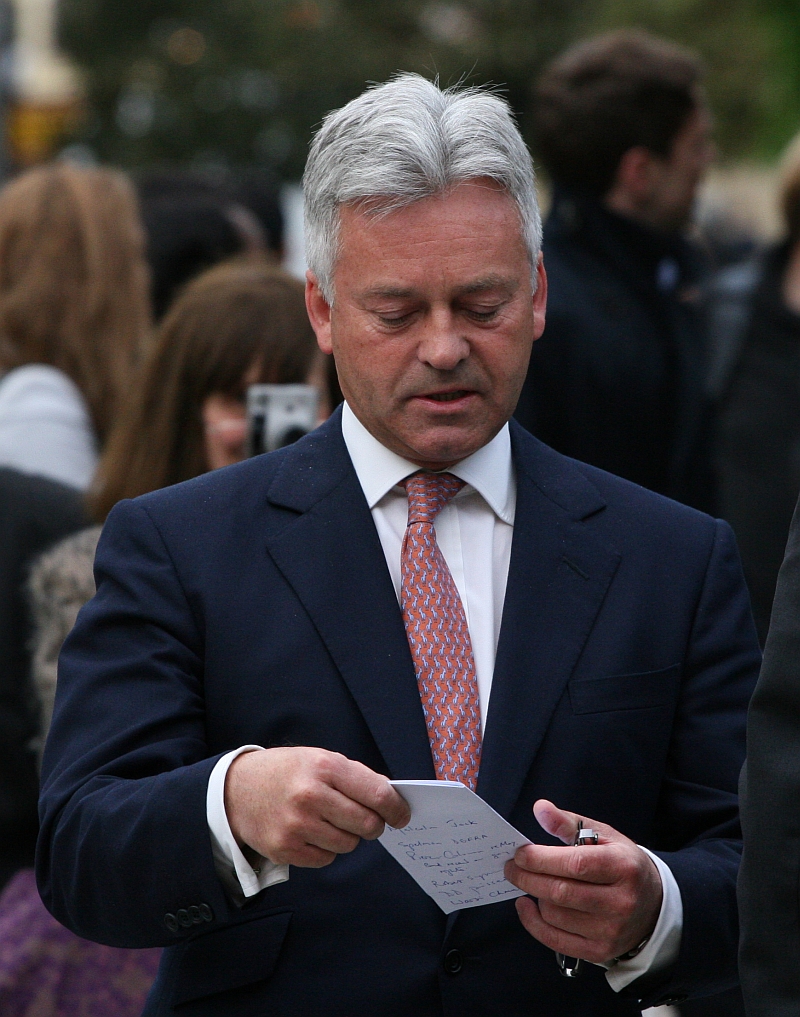
Alan James Carter Duncan (born 31 March 1957) is a British politician best known for his long service in the House of Commons. Born in Rickmansworth, Hertfordshire, he became Member of Parliament for the Rutland and Melton constituency in the United Kingdom after his first election win in 1992. He sits for the Conservative Party and has been a prominent figure in parliamentary debates and ministerial roles.
Image gallery
5 Images



Parliamentary career
Duncan has represented a rural East Midlands constituency and has been involved in constituency casework as well as national policy discussions. Elected during the early 1990s, he established a profile that combined constituency representation with occasional frontbench responsibilities. Over the years he has addressed issues typical for his seat, including rural affairs, local services and wider foreign policy topics.
Ministerial roles and public service
In government, Alan Duncan served as a Minister of State at the Department for International Development. In that ministerial capacity he worked on aspects of the United Kingdom's international aid and development programme, representing the department in parliamentary debates and international meetings. His ministerial work placed him at the intersection of UK foreign policy, humanitarian response and development priorities during the 2010s.
Positions, style and recognition
Duncan is known for a direct speaking style and for sometimes taking independent stances within party politics. Notable points about his public profile include:
- Long-standing service as an MP for a predominantly rural constituency.
- Experience in ministerial office dealing with international development and aid policy.
- A public reputation for candour and engagement in parliamentary debate.
Personal life and significance
Alan Duncan is openly gay and lives with his civil partner, having entered a civil partnership with James Dunseath, whom he married in a legal partnership that received public attention; his partner is referred to in public sources as James Dunseath. Duncan's openness about his private life has been seen as part of a broader change in British politics where sexual orientation is increasingly visible among senior politicians. He remains a recognizable figure in contemporary UK political life, combining constituency work with past ministerial experience.
Further context
For readers seeking a fuller account of his speeches, voting record and recent activities, parliamentary records and constituency resources maintain up-to-date information and are the typical sources used to track the careers of serving MPs.
Related articles
Author
AlegsaOnline.com Alan Duncan — British Conservative politician and former development minister Leandro Alegsa
URL: https://en.alegsaonline.com/art/113481
Sources
- conservatives.com : Conservatives
- Alan Duncan