
Alan P. Gross — American development worker detained in Cuba
Profile of Alan Gross, an American international development subcontractor arrested in Cuba in 2009 for bringing communications equipment, later convicted and released in 2014 amid a diplomatic thaw.
Alan Phillip Gross (born May 2, 1949) is an American international development professional whose 2009 arrest in Cuba drew sustained media and diplomatic attention. Gross worked as a subcontractor on projects funded by the U.S. Agency for International Development (USAID). His case is often cited in discussions of democracy promotion, humanitarian assistance, and the legal limits of external activity inside states with strict controls on communications.
Image gallery
2 Images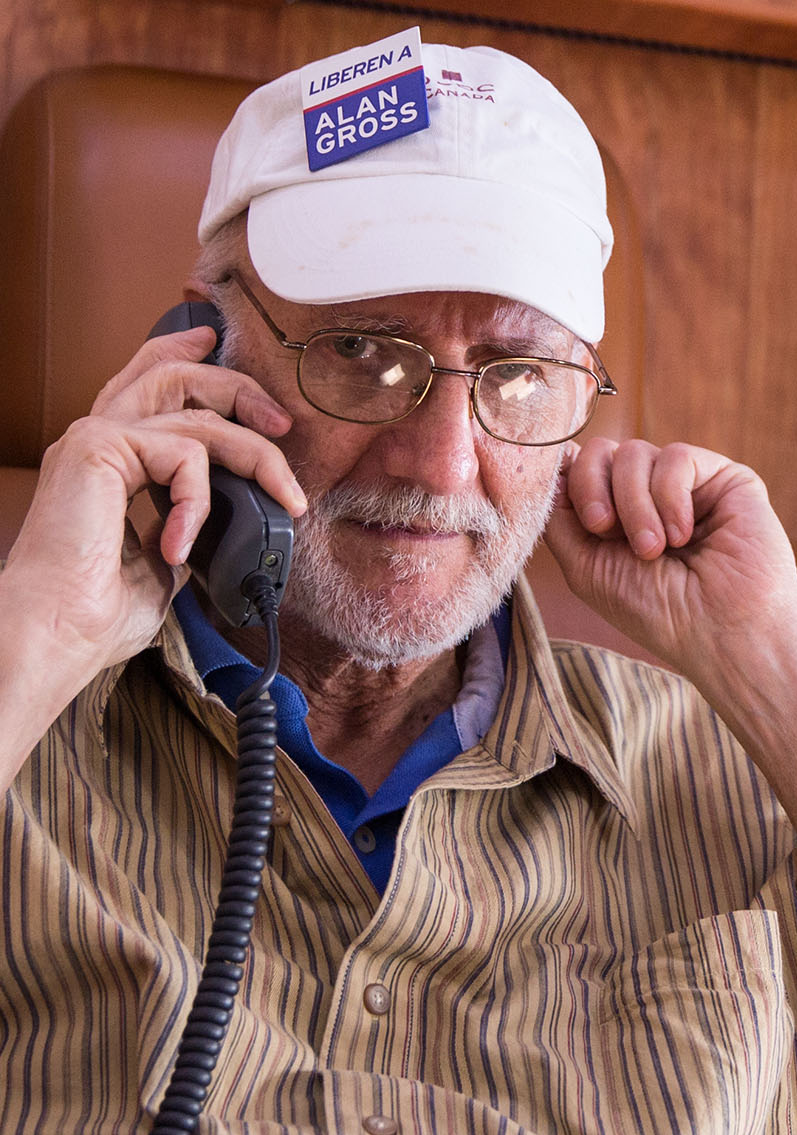

Background and work
Gross had a long career as a technical specialist and contractor, performing short-term projects to supply communication and computing equipment in a range of settings. In Cuba he was operating under a USAID-funded program that supported small-scale projects and civil society activities. According to authorities, some of his tasks involved obtaining and distributing communications hardware to individuals and community groups. The background to his assignment connects to broader U.S. policies toward Cuba established in part under the Helms-Burton era legal framework.
Arrest and charges
In December 2009 Cuban authorities detained Gross while he was in Havana carrying satellite phones and computer equipment destined for members of Cuba’s Jewish community and other contacts. Cuba said he failed to follow local licensing and customs requirements for importing and distributing telecommunications gear. Cuban prosecutors later accused him of crimes "against the independence or the territorial integrity of the state," and also alleged links to U.S. intelligence—an allegation the U.S. government denied.
Trial, conviction and sentence
Gross was prosecuted in early 2011. Cuban courts convicted him on charges related to activities deemed hostile to the state; he received a multi-year prison sentence. The case remained a point of contention: U.S. officials characterized his actions as part of development and humanitarian assistance, while Cuban authorities treated his activities as covert interference. The legal dispute highlighted differences in how each government views civil society work, communications technology, and national security.
Diplomatic consequences and release
The detention prompted repeated U.S. calls for Gross’s release and became a notable obstacle in bilateral relations. His imprisonment formed part of wider discussions that culminated in a diplomatic thaw between the United States and Cuba in late 2014 and early 2015. On December 17, 2014 Gross was freed and returned to the United States as part of a negotiated arrangement that also involved the release or transfer of other detainees; the event coincided with announcements that led to the restoration of diplomatic relations.
Significance and legacy
Gross’s case remains referenced in debates over how development assistance and democracy-promotion programs operate under restrictive regimes. It raised practical questions about legal compliance, the use of communications technologies in closed societies, and how governments balance national security against opening civic space. Analysts and practitioners continue to cite the episode when discussing ethical, legal, and operational risks for contractors engaged in politically sensitive work.
- See also: the role of contractor programs in U.S. foreign assistance and debates over the Helms-Burton policy.
- Related topics: telecommunications restrictions, diplomatic negotiations, human rights and civil society support.
- Further context on U.S. development work: international development and on the country where the events occurred: Cuba.
Related articles
Author
AlegsaOnline.com Alan P. Gross — American development worker detained in Cuba Leandro Alegsa
URL: https://en.alegsaonline.com/art/113487
Sources
- voanews.com : "American Alan Gross Completes 5th Year in Cuban Prison"
- latino.foxnews.com : "Wife Says Alan Gross' Health, Spirits Failing; Worried He'll Do 'Something Drastic'"
- latino.foxnews.com : "White House renews call for Cuba to release Alan Gross" · web.archive.org
- reuters.com : "American Alan Gross completes fifth year in Cuban prison"
- gpo.gov : "IMMEDIATE AND UNCONDITIONAL RELEASE OF UNITED STATES CITIZEN ALAN PHILLIP GROSS"
- bringalanhome.org : "Sentence"
- cnn.com : Cuba releases American Alan Gross in prisoner swap