
Ahmet Davutoğlu — Turkish academic, diplomat and former prime minister
Turkish scholar and politician: foreign minister (2009–2014), AKP leader and prime minister (2014–2016), author of a prominent foreign‑policy doctrine and later founder of a new political movement.
Ahmet Davutoğlu (born 26 February 1959) is a Turkish academic and politician who served as Minister of Foreign Affairs (2009–2014), leader of the Justice and Development Party (AKP) and Prime Minister of Turkey from August 2014 until his resignation on 22 May 2016. Elected as an AKP Member of Parliament for Konya in 2011 and re‑elected in 2015, Davutoğlu came to prominence as an influential foreign‑policy thinker and a close adviser to senior party leaders before entering high national office.

Image gallery
10 Images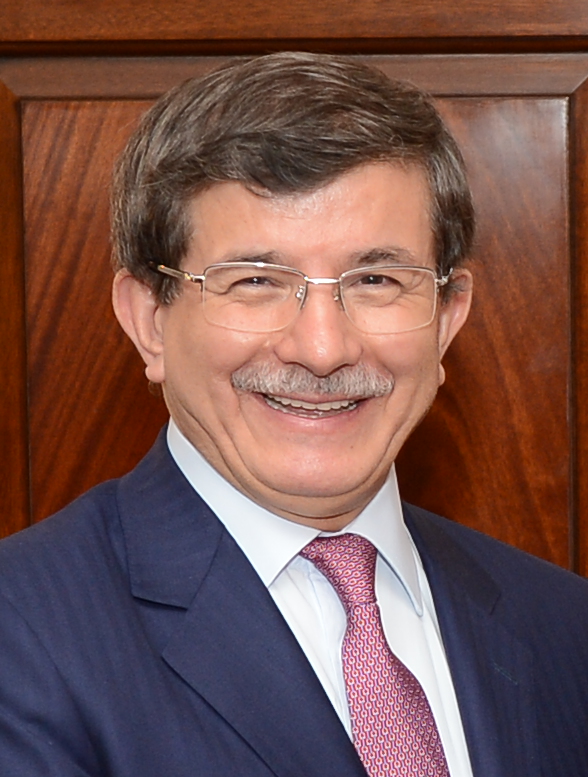


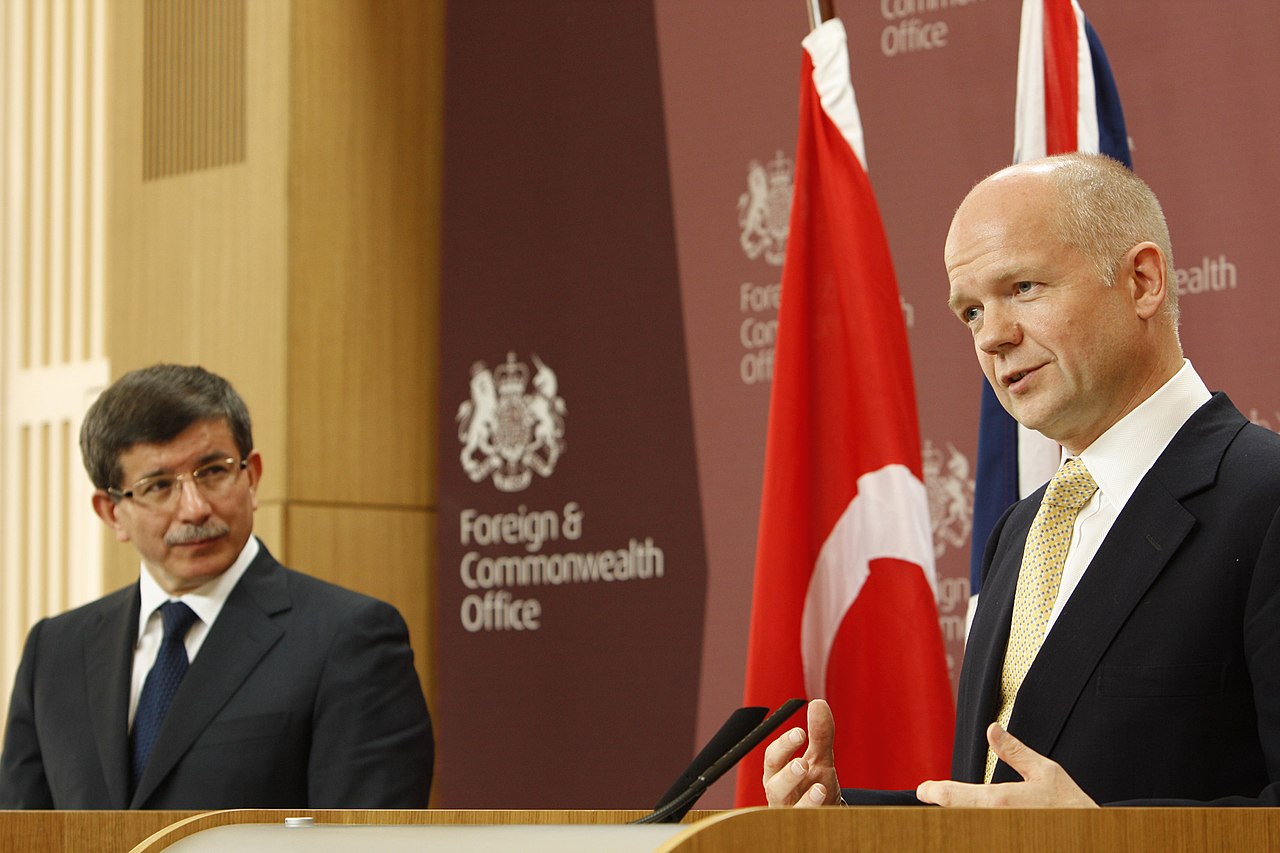


Background and academic career
Davutoğlu trained as an academic in political science and international relations. He wrote and taught on geopolitics, development and diplomacy, gaining recognition for the book often translated as "Strategic Depth," which argued that Turkey's geographical position and historical ties should shape an active regional role. Before entering government, he served in universities and was a foreign‑policy advisor to party leadership, combining scholarly work with practical diplomacy.
Political rise and offices held
Davutoğlu's entry into ministerial office marked a shift from adviser to public official. As foreign minister from 2009 he pursued a more assertive and diversified Turkish diplomacy, seeking intensified ties across the Middle East, the Balkans, Africa and Central Asia. After Recep Tayyip Erdoğan became president and vacated the premiership, Davutoğlu became AKP leader and prime minister in 2014. His premiership lasted until May 2016, when he resigned amid reported disagreements over party direction and governance; he was succeeded by another AKP figure. References to his term often note both administrative reforms and political tensions within the ruling party (Prime Minister).
Foreign policy approach
Davutoğlu is best known for advocating a proactive, multi‑directional foreign policy that draws on history and geography to expand influence. His approach emphasized economic, cultural and diplomatic engagement with neighboring countries and former Ottoman territories, aiming to turn strategic location into diplomatic leverage. Critics and supporters alike point to the ambition of this vision: supporters highlight expanded relations and mediation efforts, while critics cite mixed results in crisis management and regional conflicts.
Later activity, significance and distinctions
After leaving the premiership and the AKP leadership, Davutoğlu continued to be a public voice on Turkish politics and international affairs. In 2019 he helped establish a new political formation, arguing for an alternative center‑right platform; this move underscored ongoing debates about political pluralism and leadership within Turkey. Observers regard him as a significant case of a scholar‑politician whose ideas shaped a period of Turkish diplomacy and whose tenure reflects broader shifts in the country's domestic and foreign policy trajectory.
Notable points
- Known for melding academic theory with statecraft; authored influential works on geopolitics.
- Held top executive and diplomatic offices during a period of active regional engagement.
- Career illustrates tensions between party unity and independent policy-making in contemporary Turkish politics; see also Turkey for context.
Related articles
Author
AlegsaOnline.com Ahmet Davutoğlu — Turkish academic, diplomat and former prime minister Leandro Alegsa
URL: https://en.alegsaonline.com/art/113409
Sources
- researchturkey.org : "PM Ahmet Davutoğlu Announces Resignation"