
Aaron Sherritt: Informant, Outlaw Associate, and Catalyst in the Kelly Gang Story
Biography of Aaron Sherritt (1854–1880), his ties to the Kelly Gang, role as an informant, his murder, and how that killing precipitated the Glenrowan siege and the end of the Kelly Gang.
Aaron Sherritt (August 1854 – 26 June 1880) was a figure in colonial Victoria best known for his close association with members of the Kelly Gang and for his controversial role as an informant for the police. Born and raised in the north-east of Victoria, Sherritt moved in the same social circles as Joe Byrne and other young men from the Woolshed Valley and surrounding districts. His life blended local friendships, brushes with the law, and shifting loyalties that would make him a central, polarising figure in one of Australia’s most famous bushranger episodes.
Image gallery
3 Images

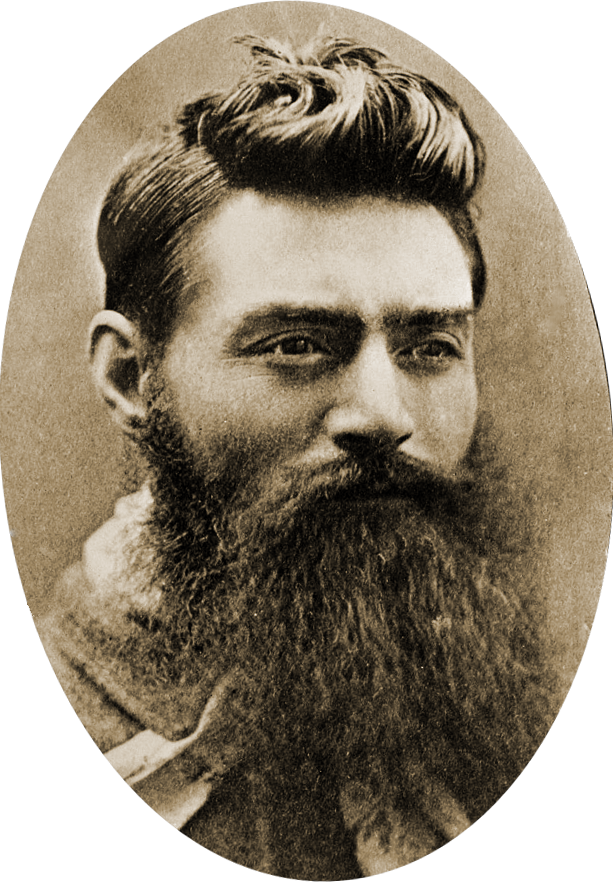
Background and early life
Sherritt grew up near Beechworth and attended the same schools as Joe Byrne. Contemporary accounts describe him as rugged and hardy; he spent time outdoors and was reputed to be capable in physical confrontation. Like many young men of his class in that region, he had multiple run-ins with local law authorities for offences that included petty theft and brawling. These incidents brought him into repeated contact with both the Byrne and Kelly families, alliances that would shape the final years of his life.
Links with the Kelly Gang and informant activity
During the period when the Kelly Gang was on the run after the Jerilderie raid, Sherritt became a controversial intermediary. He maintained friendships with gang members such as Joe Byrne yet at times provided information to police about the gang’s movements and potential hideouts. Records indicate he showed officers locations from which surveillance could be conducted and accepted modest payments for intelligence. His behaviour—remaining close to the outlaws while simultaneously informing authorities—created deep mistrust among the gang and within local communities.
The murder and immediate aftermath
On the night of 26 June 1880 Aaron Sherritt was shot and killed at his home in Sebastopol. Two members of the Kelly Gang, Joe Byrne and Dan Kelly, travelled to his residence and carried out the killing while police occupants within the house reportedly did not or could not intervene. The assassination was intended, according to later interpretations, both as retribution for betrayal and as a strategic move: the gang anticipated the police would mount a large response and planned to use the expected movements to their advantage. After the killing, Byrne and Dan Kelly rode to Glenrowan where other gang members had prepared a plan to ambush an approaching police train.
Why the murder mattered: catalyst for Glenrowan
Sherritt’s death is widely regarded as the opening act that precipitated the gang’s final stand at Glenrowan. The Kelly Gang’s strategy relied on provoking, delaying or channeling police forces; the homicide was intended to draw officers into the field at a predictable time. Delays and miscommunications, however, meant the police response did not unfold exactly as the gang had planned. The subsequent siege at Glenrowan led to the capture or death of key participants and remains one of the most extensively documented and debated episodes in Australia’s bushranger history. Readers can find more about related individuals such as Ned Kelly and the gang’s movements in detailed studies and archival records.
Legacy, interpretation and cultural memory
Aaron Sherritt’s life and violent death have been interpreted in various ways: as a tragic consequence of divided loyalties, as the actions of a petty criminal entangled with larger forces, or as a key tactical moment in the Kelly Gang saga. His story highlights the complex social fabric of rural Victoria in the late 19th century—where kinship, economic hardship, and antagonistic relations with authority could produce both criminality and resistance. The killing also raised questions about police practices of the period, the use of informants, and how local justice played out outside major urban centres.
Timeline and notable points
- August 1854: Aaron Sherritt is born in north-eastern Victoria.
- Late 1870s: Repeated minor offences and close association with Joe Byrne and other local figures.
- 1879–1880: Acts as an informant for police while maintaining contacts with the Kelly Gang.
- 26 June 1880: Murdered at his Sebastopol residence by Joe Byrne and Steve Hart is frequently mentioned in accounts of the period; some narratives also note the involvement of other gang members including Dan Kelly.
- June–July 1880: The killing contributes directly to the chain of events culminating in the Glenrowan siege.
For further context on people connected to this story, see resources on Kate Kelly, the broader Kelly family, and contemporary policing in colonial Victoria. Historians continue to debate motives, the degree of police culpability or incompetence, and how popular memory has shaped the reputations of all involved.
Questions and answers
Q: Who was Aaron Sherritt?
A: Aaron Sherritt was a close friend of Joe Byrne and later Ned Kelly. He lived in the Woolshed Valley, near Beechworth, Victoria and had gone to school with Byrne.
Q: What led to the Kelly Gang's final shoot out with the police at Glenrowan?
A: The murder of Aaron Sherritt in 1880 was the first of the actions that led to the Kelly Gang's final shoot out with the police at Glenrowan.
Q: What did Aaron Sherritt do for the police after the bank robbery at Jerilderie?
A: After the Kelly Gang robbed the bank at Jerilderie, New South Wales, they disappeared for 18 months. In January 1879, Sherritt went to the police station at Benalla and gave them information about where the Kelly Gang was hiding, and what they were going to do next. He was paid £2 for his help.
Q: How did Maggie Skillion react when she found out about Aaron selling Kate Kelly a stolen horse?
A: When Ned Kelly's older sister, Maggie Skillion found out about this she reported it to the police. It went to court but eventually dropped because of lack of trust from both sides towards each other as criminals.
Q: Who shot Aaron Sherritt dead late one night?
A: Late one night on 26 June 1880 Joe Byrne and Dan Kelly went to Sherritt's house at Sebastopol and shot him dead when he opened his door.
Q: What plan did Ned Kelly have that failed due to not reporting Aaron's death until midday?
A: Ned Kelly had planned on having a large group sent by train from Beechworth during night time in order for them capture them but this failed when four policemen living in his house didn't report his death until midday instead.
Related articles
Author
AlegsaOnline.com Aaron Sherritt: Informant, Outlaw Associate, and Catalyst in the Kelly Gang Story Leandro Alegsa
URL: https://en.alegsaonline.com/art/113170
Sources
- oa.anu.edu.au : "Obituary - Aaron Sherritt"