
899 (year) — events and historical context
Overview of the year 899 (DCCCXCIX): calendar details and major developments, including the deaths of Alfred the Great and Arnulf of Carinthia, and the broader political and cultural context of the late 9th century.
Overview
Year 899 (DCCCXCIX) was a common year beginning on Monday in the Julian calendar. It falls in the late 9th century, a period marked by political fragmentation in western Europe, ongoing Viking activity, and important transitions among regional rulers across Eurasia.
Image gallery
1 Image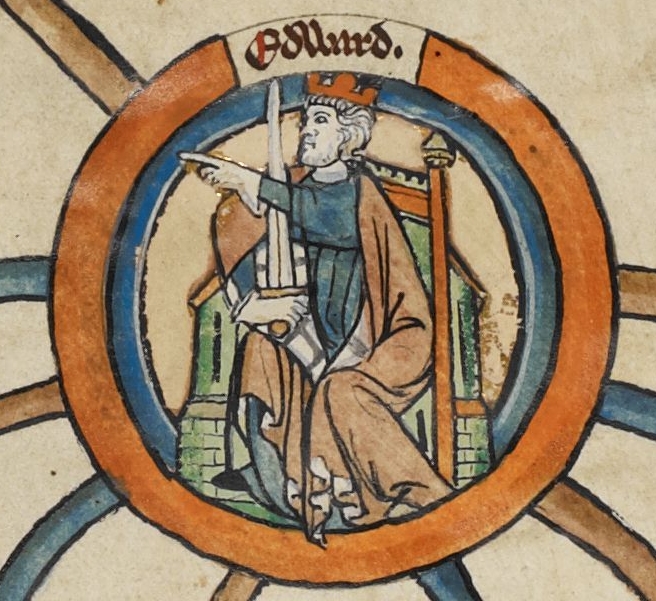
Political developments
Across Western Europe the legacy of Carolingian rule continued to wane: local magnates and regional kings competed for power while dynastic successions reshaped territories. In England the kingdom of Wessex consolidated its preeminence in resistance to Norse incursions. On the Continent, rulers of East Francia and Italian domains navigated rival claims and shifting alliances that would influence the shape of medieval kingdoms in the following decades.
Notable events in the British Isles and continental Europe
One of the most consequential occurrences of 899 was the death of Alfred the Great of Wessex on 26 October 899. Alfred is widely remembered for military resistance to Viking forces, administrative and legal reforms, and initiatives in education and learning; his death led to the succession of his son, Edward the Elder.
In continental Europe, Arnulf of Carinthia, an influential East Frankish king and claimant to imperial authority, died in December 899. His reign had been characterized by contests with rival nobles and intermittent involvement in Italian affairs. The passing of such figures accelerated local realignments and succession struggles.
Other regions and context
Beyond Europe, large polities such as the Byzantine Empire and the Abbasid Caliphate navigated their own internal and external pressures. In East Asia the Tang dynasty in China was approaching its terminal decades, a time of regional warlords and eventual dynastic change. Trade, missionary activity, and cultural exchange continued along long-distance routes despite political instability.
Notable deaths
- Alfred the Great, king of Wessex (died 26 October 899) — noted for reforms and defense against Viking invasions.
- Arnulf of Carinthia, King of East Francia and ruler with imperial claims (died December 899) — a major figure in late Carolingian politics.
Legacy
The events of 899 did not produce an immediate, sweeping transformation, but they helped set the stage for developments in the 10th century: the further consolidation of England under West Saxon kings, continued fragmentation and localism on the Continent, and gradual shifts in the balance of power across Eurasia. For historians, 899 is best understood as part of a transitional era that reshaped medieval political and cultural landscapes.
Related articles
Author
AlegsaOnline.com 899 (year) — events and historical context Leandro Alegsa
URL: https://en.alegsaonline.com/art/113102