
7 Up (lemon-lime soft drink)
7 Up is a lemon-lime, caffeine-free soft drink introduced in 1929. Owned and licensed by different companies by territory, it has been reformulated and expanded into multiple flavors and sugar-free variants.
Overview
7 Up is a clear, lemon-lime flavored soft drink notable for being caffeine-free and widely distributed around the world. First marketed in 1929, it occupies the same non-cola segment as other citrus sodas and is commonly consumed on its own, with mixers, or as a base for flavor variations. The product has been reformulated and relaunched several times and exists in regular, diet and flavored forms.
Image gallery
9 Images


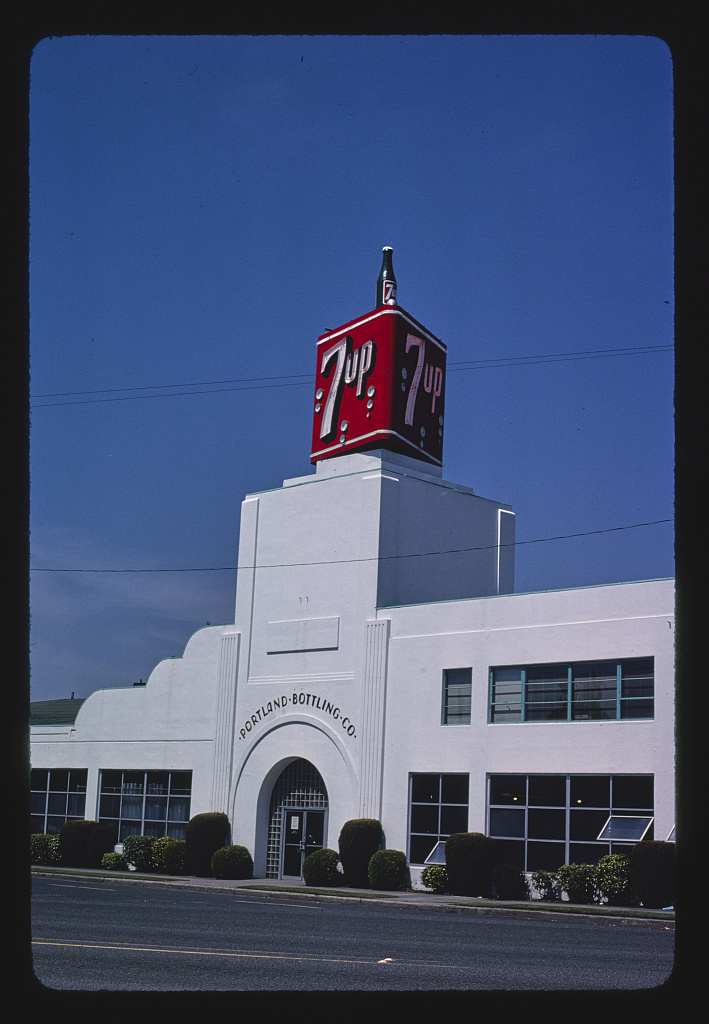
Characteristics and varieties
The classic 7 Up recipe emphasizes a light, citrus-forward taste, moderate sweetness and effervescence. It is marketed as free of caffeine and, in many recent formulations, without artificial preservatives or certain artificial flavors. Over the decades the brand has introduced numerous variants, such as sugar-free editions, cherry or citrus blends, and limited-time seasonal flavors.
- Standard: the original lemon-lime soda.
- Diet/Zero sugar: reduced-calorie alternatives using non-nutritive sweeteners.
- Flavored editions: blends with fruit flavors like cherry or grapefruit.
- Regional variants: minor formula differences and packaging tailored to local markets.
History and name
7 Up was developed in the United States in the late 1920s by beverage inventor Charles Leiper Grigg and introduced commercially in 1929. The origin of the brand name "7 Up" is not definitively documented and several theories exist, ranging from references to ingredient counts to marketing choices. Early formulations contained lithium citrate, an ingredient later removed in the mid-20th century; after that change the product continued as a mainstream soft drink and underwent multiple reformulations to adjust sweetness, sodium content and ingredient lists.
Ownership, production and distribution
Ownership and distribution of the 7 Up brand vary by territory. In the United States the brand rights are held by Keurig Dr Pepper (formerly known as the Dr Pepper Snapple Group), which manages domestic production and marketing; a relevant corporate reference is the Dr Pepper Snapple Group identity. Rights and licensing outside the United States have long been handled by other firms, notably PepsiCo in many international markets and licensees in regions such as Puerto Rico (Puerto Rico). Distribution and regional labeling often reflect local bottlers and agreements. For historical and regional context see additional corporate sources such as U.S. market information.
Uses and cultural significance
7 Up has been used both as a beverage and as a mixer in cocktails and non-alcoholic drinks. Its caffeine-free profile distinguishes it from many cola brands and makes it a common choice for those avoiding stimulants. Over the years, advertising campaigns and packaging have reinforced a fresh, crisp image; some promotional material has highlighted recipe changes or reduced sodium content as selling points (product promotions).
Notable facts and distinctions
Several points help distinguish 7 Up from other soft drinks: it is traditionally caffeine-free (see product labels and claims at manufacturer statements), it has a long history dating to 1929, and its ownership structure differs by geography, resulting in different marketing partners and bottlers. The brand has adapted to changing consumer preferences by offering sugar-free versions and reformulating ingredient lists to remove certain additives and lower sodium where marketed.
For further reading and corporate details, consult primary company materials and regional product information accessible through official distributor resources (regional licensees and U.S. resources).
Related articles
Author
AlegsaOnline.com 7 Up (lemon-lime soft drink) Leandro Alegsa
URL: https://en.alegsaonline.com/art/113065
Sources
- snopes.com : "7Up"