
7 July 2005 London bombings (7/7)
Coordinated suicide bomb attacks on London's public transport on 7 July 2005 that killed 56 people (including the attackers) and injured hundreds, prompting national investigations and lasting memorials.
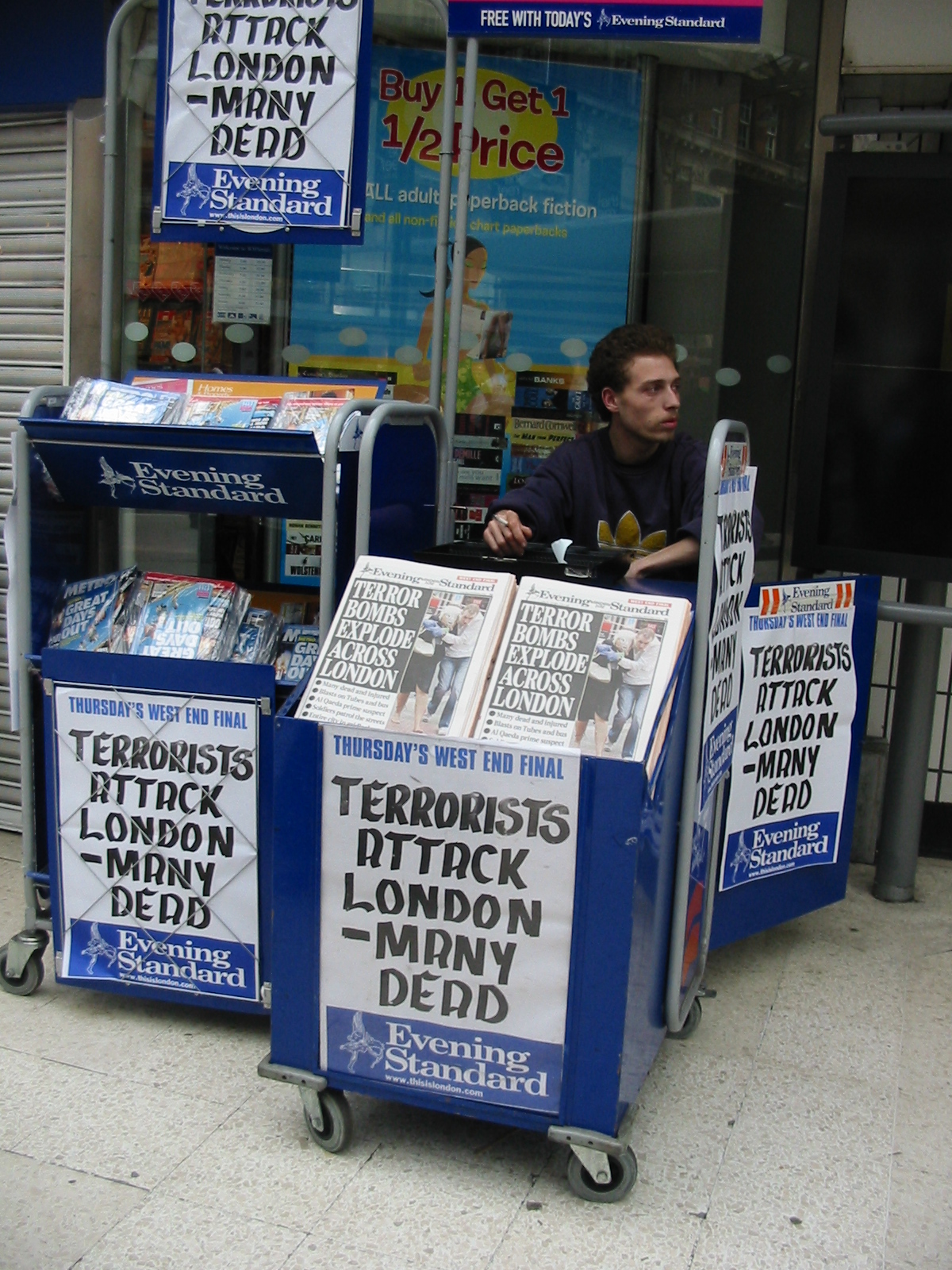
The 7 July 2005 London bombings, commonly referred to as 7/7, were a series of coordinated suicide bomb attacks on public transport in London. The explosions occurred during the weekday morning rush hour and were carried out by four British Islamist extremists who used home-made explosive devices concealed in rucksacks. The attacks shocked the United Kingdom, prompted immediate large-scale emergency responses, and led to national debates about security, integration and counter-terrorism.
Image gallery
10 Images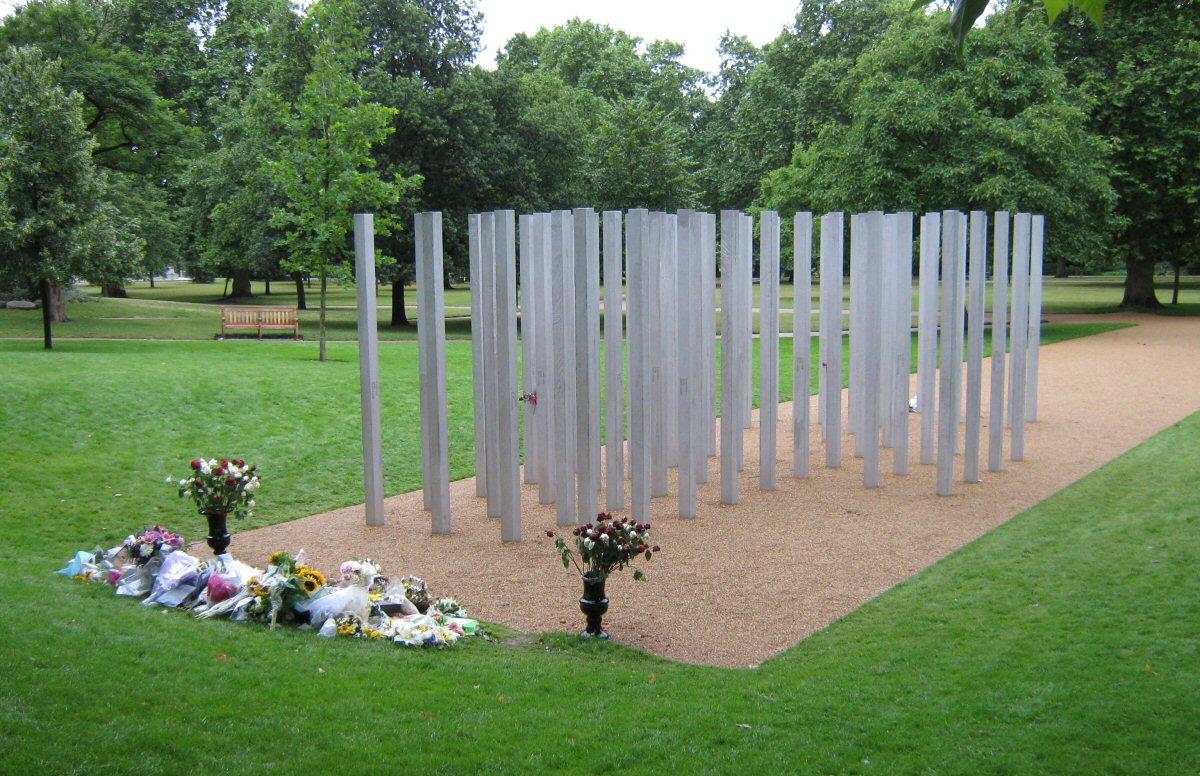



Timeline and locations
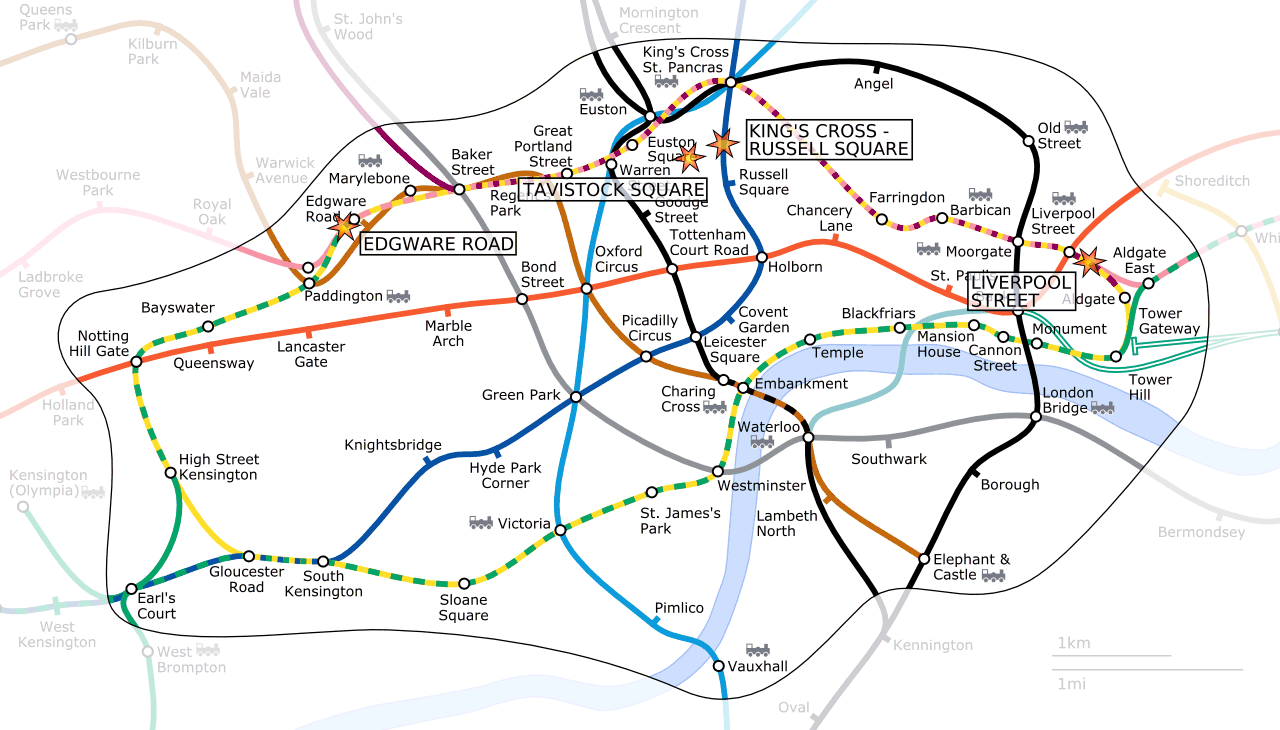
Shortly before 09:00 on 7 July 2005, three near-simultaneous explosions struck three separate London Underground trains at or near Aldgate, Edgware Road and Russell Square stations. Within about fifty seconds the devices detonated on board passenger trains. About an hour later, at 09:47, a fourth device exploded on a double-decker bus in Tavistock Square. The blasts caused extensive damage to carriages, the bus and surrounding infrastructure, and created chaotic scenes as survivors and emergency services responded.
Perpetrators and methods
The four attackers were young men from different parts of Britain who had become radicalised. They carried crude but lethal home-made charges and detonated them by suicide. The devices were designed to be portable and to maximise casualties in crowded vehicles during peak commuting times. Subsequent police and forensic work established the identities of the bombers and recovered evidence from the rucksacks and blast sites.
Casualties and emergency response
The attacks resulted in the deaths of 52 civilians; when the four bombers are included the total fatalities come to 56. More than 700 people were injured, many seriously, and hospitals across London treated the wounded. The city's ambulance, police and fire services mounted a major, multi-agency response that included triage, transport to hospitals and scene management. Survivors and families were supported by both governmental and voluntary organisations in the weeks and years that followed.
Investigations, inquiries and consequences
Police investigations identified the perpetrators and sought to determine any wider network or support. National security agencies and independent inquiries examined intelligence handling, counter-terrorism measures and emergency preparedness. These reviews prompted changes to transport security, information-sharing between agencies and approaches to public safety. The events also intensified public and political discussion about violent extremism, community relations and legal responses to terrorism.
Memorials and legacy
Commemorations and memorial services were held throughout the United Kingdom and abroad to remember victims and recognise the resilience of survivors and emergency workers. Permanent memorials, including a dedicated site in Hyde Park, honor the victims and provide a place for reflection. The attacks remain a defining moment in early-21st-century Britain, shaping policy on counter-terrorism, emergency planning and the public's sense of vulnerability on everyday transport systems.
Further reading and resources
Questions and answers
Q: What were the 7 July 2005 London bombings?
A: The 7 July 2005 London bombings (also called 7/7) were suicide bomb attacks on public transport in London by British Muslim extremists.
Q: When did the bombings occur?
A: The bombs exploded at 08:50 a.m. within fifty seconds of each other on three London Underground trains, and a fourth bomb exploded an hour later at 09:47 on a bus in Tavistock Square.
Q: How were the bombs made?
A: The bombs were homemade and carried in rucksacks that were set off by the bombers.
Q: Were there memorials to remember those who died or were hurt in the attack?
A: Yes, there were many memorials and services held in the United Kingdom and elsewhere to remember those who died or were hurt from the attacks, including a memorial in Hyde Park.
Q: How many people died as a result of the attacks?
A: There were 56 people who died from the attacks, and over 700 people who were hurt.
Q: Who was responsible for carrying out these attacks?
A: British Muslim extremists carried out these attacks during morning rush hour.
Related articles
Author
AlegsaOnline.com 7 July 2005 London bombings (7/7) Leandro Alegsa
URL: https://en.alegsaonline.com/art/113062
Sources
- telegraph.co.uk : 7/7 Memorial in London's Hyde Park
- news.bbc.co.uk : Tributes paid at 7 July memorial
- news.bbc.co.uk : "BBC NEWS - INDEPTH - LONDON ATTACKS"
- emergency-management.net : emergency-management.net/