
771 (year)
The year 771 AD saw the death of King Carloman I and the reunification of the Frankish kingdom under Charlemagne, a turning point that helped set the stage for Carolingian expansion in western Europe.
Overview
771 (AD) was a year in the early medieval period notable for political consolidation in western Europe. It is most often remembered for a change in leadership among the Franks that altered the balance of power on the continent and helped create the conditions for the later Carolingian Empire.
Image gallery
1 Image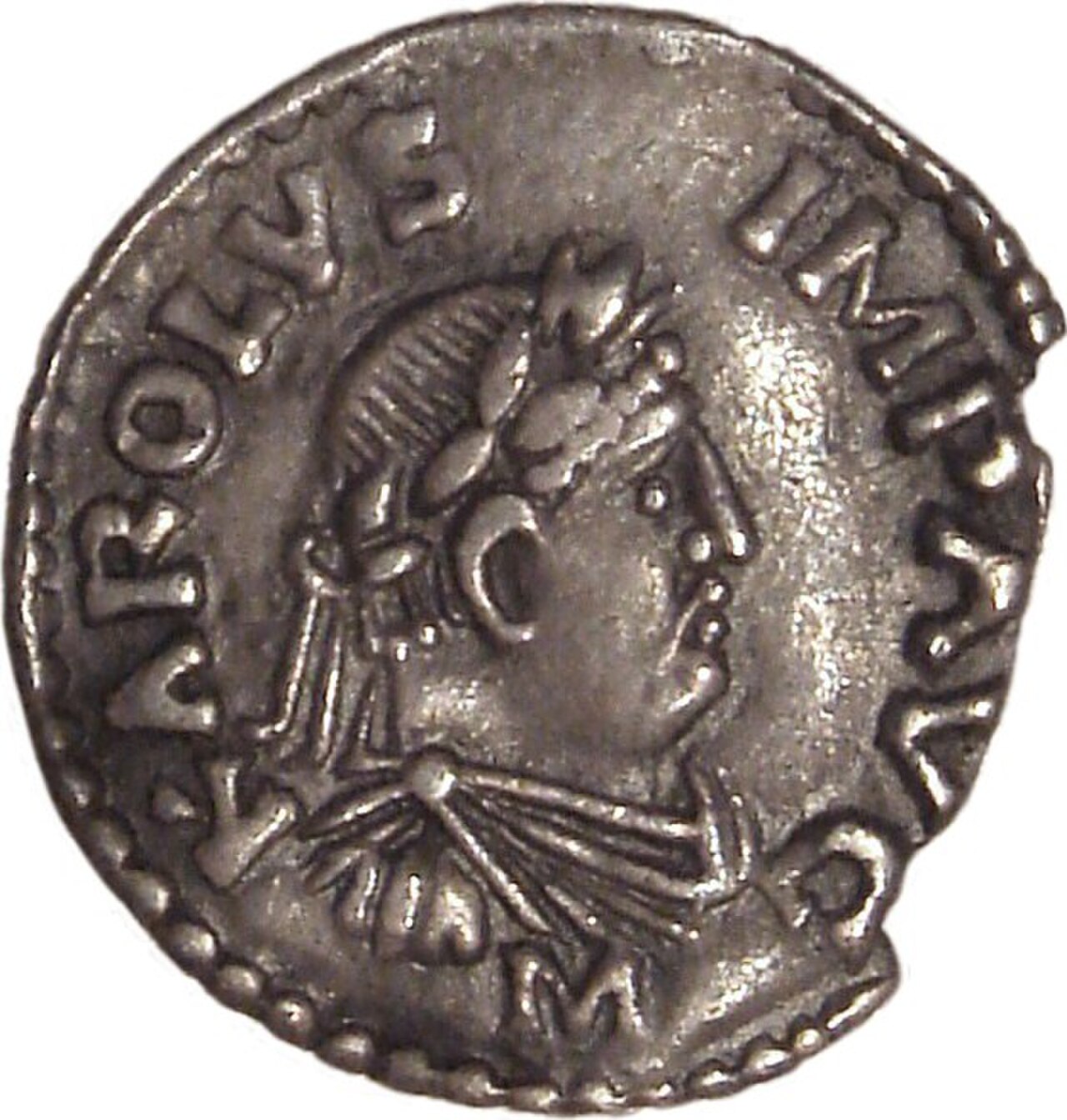
Key events
The principal event recorded for 771 was the death of King Carloman I, one of two sons of Pepin the Short who had ruled the Frankish kingdom jointly after their father's death. Carloman's death left his brother Charlemagne as the sole ruler of the Frankish realms. In the immediate aftermath, Carloman's widow and sons sought protection from Desiderius, king of the Lombards, a move that fed tensions between the Franks and the Lombards in the following years.
Context and consequences
Charlemagne's assumption of sole authority removed a major internal rival and allowed him to pursue more unified policies across the Frankish territories. The episode accelerated Frankish involvement in Italian affairs and provided one of several pretexts for later military actions against the Lombards. Over the next decades Charlemagne expanded Frankish control, reformed administration and patronized learning — developments that culminated in his imperial coronation in 800, making the events of 771 an important stepping-stone.
Characteristics and distinctions
- 771 falls within the Carolingian era, a transitional phase between the Early Middle Ages and the later medieval period.
- The reunification under a single Frankish ruler after 771 contrasted with the earlier practice of dividing realms among heirs.
- Political realignments begun in this year contributed to closer interaction between northern Europe and the Italian peninsula.
Notable people
- Carloman I — King of the Franks whose death in 771 left Charlemagne as sole king.
- Charlemagne — Already co-ruler, he emerged from 771 as the dominant Frankish monarch and later expanded his authority across much of western and central Europe.
Although surviving narrative detail for a single year in the eighth century is limited, 771 is widely regarded by historians as a pivotal moment because it set political conditions that shaped western European history for decades.
Related articles
Author
AlegsaOnline.com 771 (year) Leandro Alegsa
URL: https://en.alegsaonline.com/art/113051