
Year 750 (AD)
Year 750 (AD), a common year of the Julian calendar notable for the Abbasid Revolution that ended Umayyad dominance in the Middle East and for political shifts across Eurasia and North Africa.
Overview
Year 750 (AD) was a common year in the Julian calendar. It sits near the middle of the 8th century, a period of political realignment across Eurasia and North Africa. In several regions, longstanding regimes were challenged and new dynasties began to reshape political and cultural landscapes.
Image gallery
4 Images


Major political events
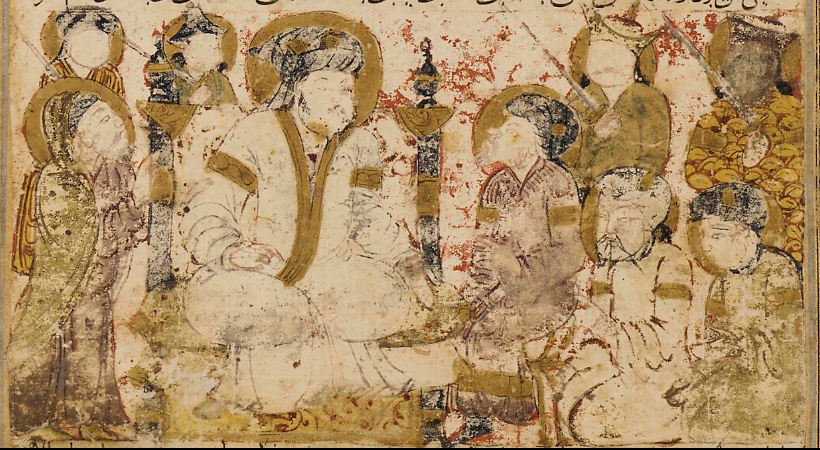
The most consequential development in 750 was the success of the Abbasid Revolution in the Islamic world. Forces aligned with the Abbasid family defeated the Umayyad regime in a decisive engagement, ending Umayyad rule in the eastern Islamic lands and enabling the Abbasids to assume the caliphal office. The shift in power transformed elite networks and administrative practices, and members of the displaced Umayyad house fled westward; one survivor later established a new Umayyad polity in the Iberian Peninsula.
Elsewhere, regional kingdoms across Europe and Asia continued gradual consolidation. In the Byzantine Empire and the Frankish realms, established centers of power navigated internal rivalries and external pressures. In South and Southeast Asia, local dynasties and urban centres remained focal points of regional trade and cultural exchange.
Culture, economy and society
Across the Old World, trade routes linking the Mediterranean, the Near East, Central Asia and the Indian Ocean sustained the movement of goods, ideas and technologies. Religious and intellectual life remained vibrant: markets, artisan workshops and courts supported the production of texts, legal traditions and artistic patronage that would influence later centuries.
Notable consequences and legacy
- The Abbasid takeover brought new administrative elites and helped stimulate cultural and scientific developments that flourished under later Abbasid patronage.
- The dispersal of Umayyad members to western regions contributed to the political formation of al-Andalus (Muslim Iberia), which emerged as a distinct centre of Islamic culture.
- Shifts in rulership during this period set the stage for further upheavals and realignments in the following decades.
Because contemporary records vary by region, precise dating and local details differ. Nevertheless, 750 is widely seen as a turning point in Near Eastern history and as part of broader eighth‑century transformations across Eurasia and North Africa.
Related articles
Author
AlegsaOnline.com Year 750 (AD) Leandro Alegsa
URL: https://en.alegsaonline.com/art/113048