
402 (Common Era)
Overview of the year 402 CE: calendar designation, political and military events in the late Roman Empire, contemporaneous context, and its place in historical chronology.
Overview
The year 402 CE was a year in the early fifth century of the Common Era. In the Julian calendar it is recorded as a common year that began on a Wednesday. In Roman chronological systems still in use by some ancient writers it corresponded to year 1155 Ab urbe condita. Modern historians place 402 within the period often called Late Antiquity, a time of political realignment, migration, and the growing dominance of Christianity across the Roman world. For a general chronology reference see year 402.
Image gallery
1 Image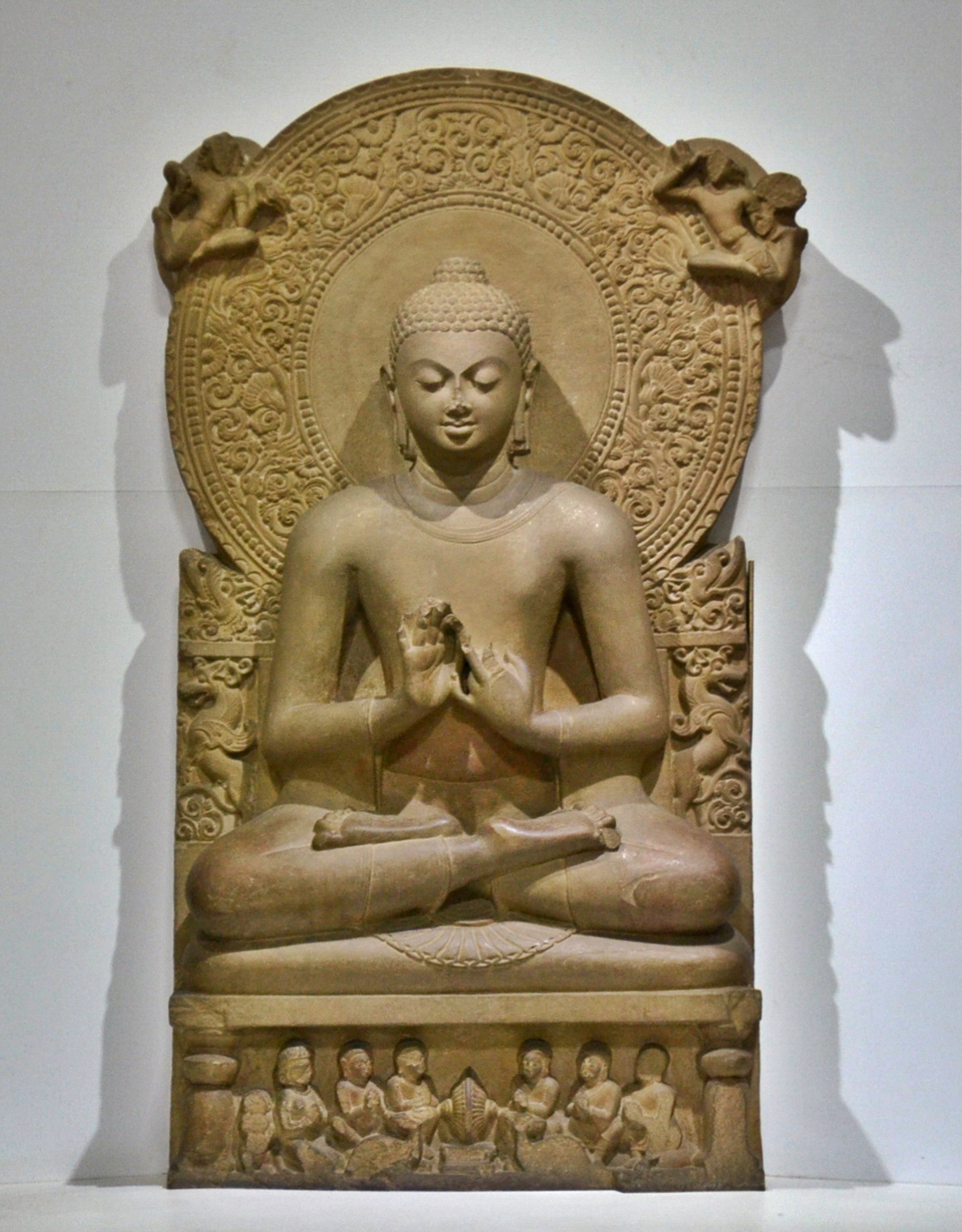
Political and military events
The most widely reported events of 402 took place in the Western Roman Empire and involved conflict with Gothic groups. Contemporary and later sources describe campaigning in Italy by the Visigoth leader Alaric and military responses by the Roman general Stilicho on behalf of Emperor Honorius. Sources indicate that Roman forces engaged Gothic invaders in northern Italy in a series of clashes; these confrontations slowed Alaric's advance and shaped the balance of power in the western provinces for the following years.
Context and notable figures
- Honorius — Western Roman Emperor, resident at Ravenna and the central political authority in the West.
- Stilicho — magister militum and chief military commander who led Roman forces against incursions.
- Alaric — a Gothic leader whose movements into Italy were a major military and political challenge to Roman control.
Religion, society and administration
By 402 the Christian Church continued to expand its institutional reach; bishops and ecclesiastical structures played increasing roles in urban life and in negotiation with imperial authorities. Administratively, the Western Empire coped with fiscal and military pressures that influenced recruitment, border defence, and relations with federate groups settled inside imperial frontiers.
Chronology and historiography
How years are named and described varies by source. Medieval European writers later adopted the Anno Domini era to number years, and modern scholarship routinely uses the Common Era label. Ancient Roman chroniclers sometimes used the Ab urbe condita system (from the founding of Rome). The starting weekday of the year is reconstructed from calendar conventions; some calendar summaries record that 402 began on a Wednesday in the Julian system — see calendar details and background on Roman chronological systems at Ab urbe condita.
Significance
Although 402 is one year among many in a period of sustained transformation, military actions of this time influenced the later settlement patterns of Germanic peoples within the empire and set the stage for subsequent events, including later Gothic advances and political negotiations between Roman authorities and barbarian leaders. The year thus contributes to the broader story of the Roman West's gradual transition during Late Antiquity.
Related articles
Author
AlegsaOnline.com 402 (Common Era) Leandro Alegsa
URL: https://en.alegsaonline.com/art/112885