
2022 FIFA World Cup (Qatar)
The 22nd FIFA World Cup, hosted by Qatar from 20 Nov to 18 Dec 2022. First in the Arab world, last 32-team tournament, notable for winter scheduling, compact venues, sporting drama and off-field controversy.
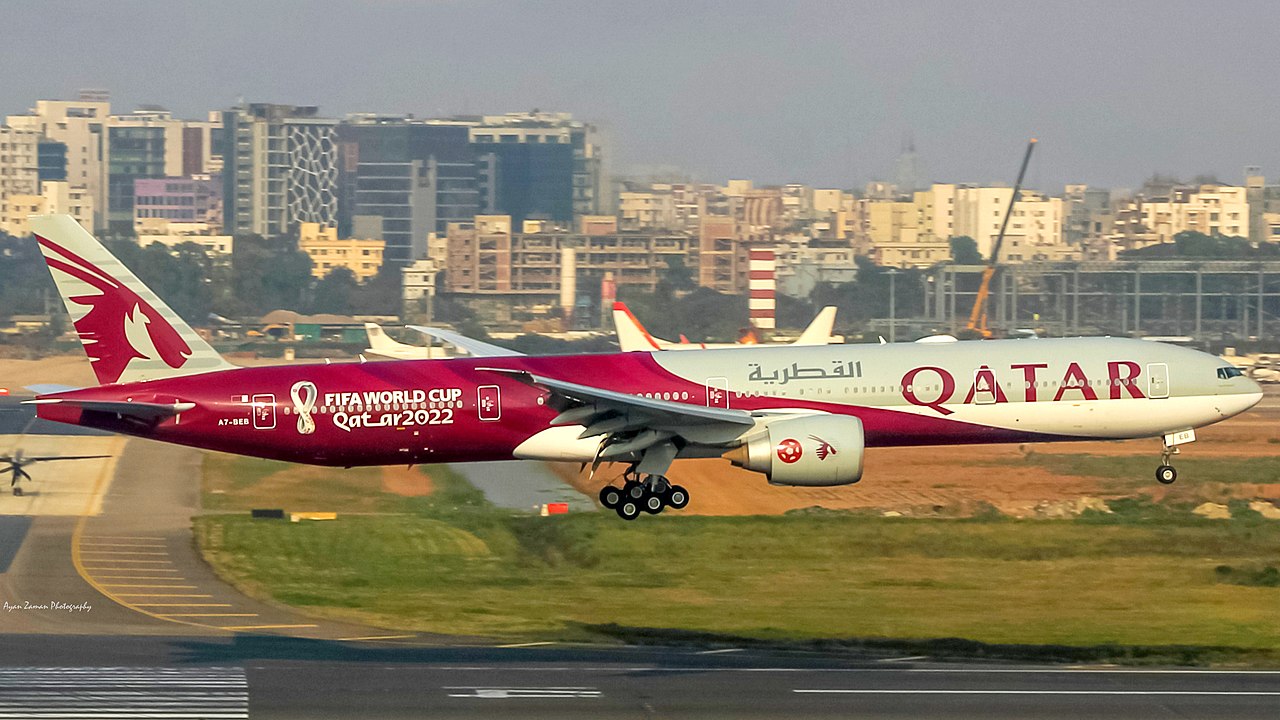
The 2022 FIFA World Cup was the 22nd edition of the tournament organized by FIFA. It took place in the State of Qatar from 20 November to 18 December 2022 and marked the first time the finals were held in the Arab world. As the last tournament contested by 32 teams before an expansion to 48, this World Cup combined intense sporting competition with several unique logistical and political aspects. It also remained part of the long-running FIFA World Cup series, an international competition with a global audience and deep cultural significance (FIFA World Cup).
Image gallery
10 Images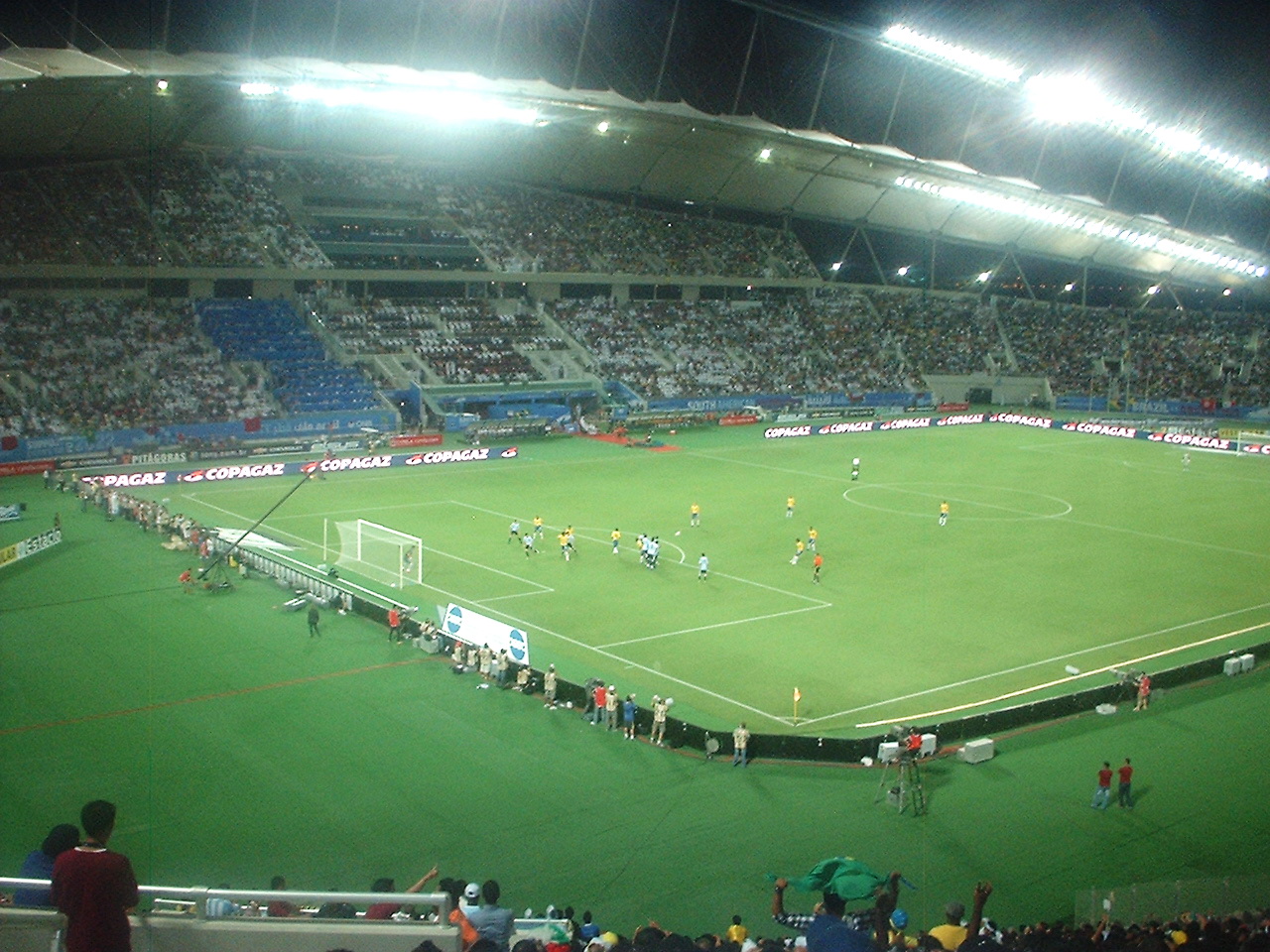



Format, timing and tournament structure
Matches were played in November and December instead of the traditional May–July window to avoid Qatar's summer heat. The tournament retained the familiar 32-team format: a group stage with eight groups of four teams, followed by a knockout phase beginning with the round of 16 and culminating in a single final. This edition therefore represented the end of the 32-team era; FIFA had already announced plans to expand future finals to 48 teams, changing qualification and scheduling for subsequent competitions.
Venues, infrastructure and the compact model
Qatar hosted matches across several newly built and renovated stadiums concentrated within a small geographic area, enabling short travel times for teams and fans. Organizers emphasized a compact tournament model with modern stadium design, temporary seating at some sites, and investments in roads, metro links and accommodation. Proponents argued the layout reduced travel fatigue and offered a different spectator experience compared with larger, multi-country tournaments.
Sporting highlights and result
On the field the competition produced dramatic matches and individual performances that captivated global audiences. Argentina won the tournament, defeating the defending champions, France, in an especially memorable final on 18 December 2022. The final and several knockout encounters were widely praised for their intensity and high level of play, while emerging stars and veteran performers both left lasting impressions.
Controversies, investigations and human-rights concerns
The Qatari bid and preparations attracted sustained scrutiny. Questions were raised about aspects of the bidding process and whether those procedures were followed impartially; FIFA conducted investigations and issued reports, while some independent observers and officials criticized the findings. Separately, international organisations, media and advocacy groups highlighted the treatment, working conditions and legal protections for many migrant workers involved in building stadia and related infrastructure. These concerns prompted debate, calls for reforms, and some policy changes by Qatari authorities and international partners.
Legacy and notable distinctions
The 2022 World Cup is notable for several historic markers: the first finals staged in the Arab world, the first major men’s World Cup staged in November–December, and the final tournament using a 32-team layout. Its compact venue approach and the high-profile controversies surrounding labor and governance have influenced discussions about bidding, human-rights safeguards, and legacy planning for future hosts. The tournament prompted a reassessment of operational planning for major sporting events and left mixed assessments of long-term social, economic and sporting impacts.
- Overview and dates: 20 November–18 December 2022.
- Host: Qatar; first World Cup in the Arab world.
- Significance: last 32-team World Cup; winter scheduling.
- Outcome: Argentina won, defeating defending champions in a dramatic final.
Related articles
Author
AlegsaOnline.com 2022 FIFA World Cup (Qatar) Leandro Alegsa
URL: https://en.alegsaonline.com/art/112678
Sources
- theguardian.com : "Sepp Blatter: awarding 2022 World Cup to Qatar was a mistake"