
500 Home Run Club (Major League Baseball milestone)
Group of Major League Baseball batters who have hit 500 or more regular-season home runs; history, notable members, controversies and significance within player legacy.
Overview
The term "500 home run club" identifies Major League Baseball players who have hit 500 or more regular-season home runs over the course of their careers. Membership in this group is a widely recognized measure of sustained power and run-producing ability. In many discussions of player achievement it serves as a simple, memorable benchmark of long-term offensive excellence, though its perceived importance has evolved with changes in the game and in how voters weigh statistics.
Image gallery
4 Images

Definition and characteristics
To qualify for the 500 home run club a player must accumulate 500 or more home runs during official regular-season MLB games; postseason, minor-league, or foreign-league homers are not counted. Members include right-handed, left-handed, and switch hitters, and they represent a range of eras, ballparks, and batting approaches. As a raw counting stat it rewards longevity as well as peak power: many members combined high single-season totals with long careers to reach the milestone.
Historical development and milestones
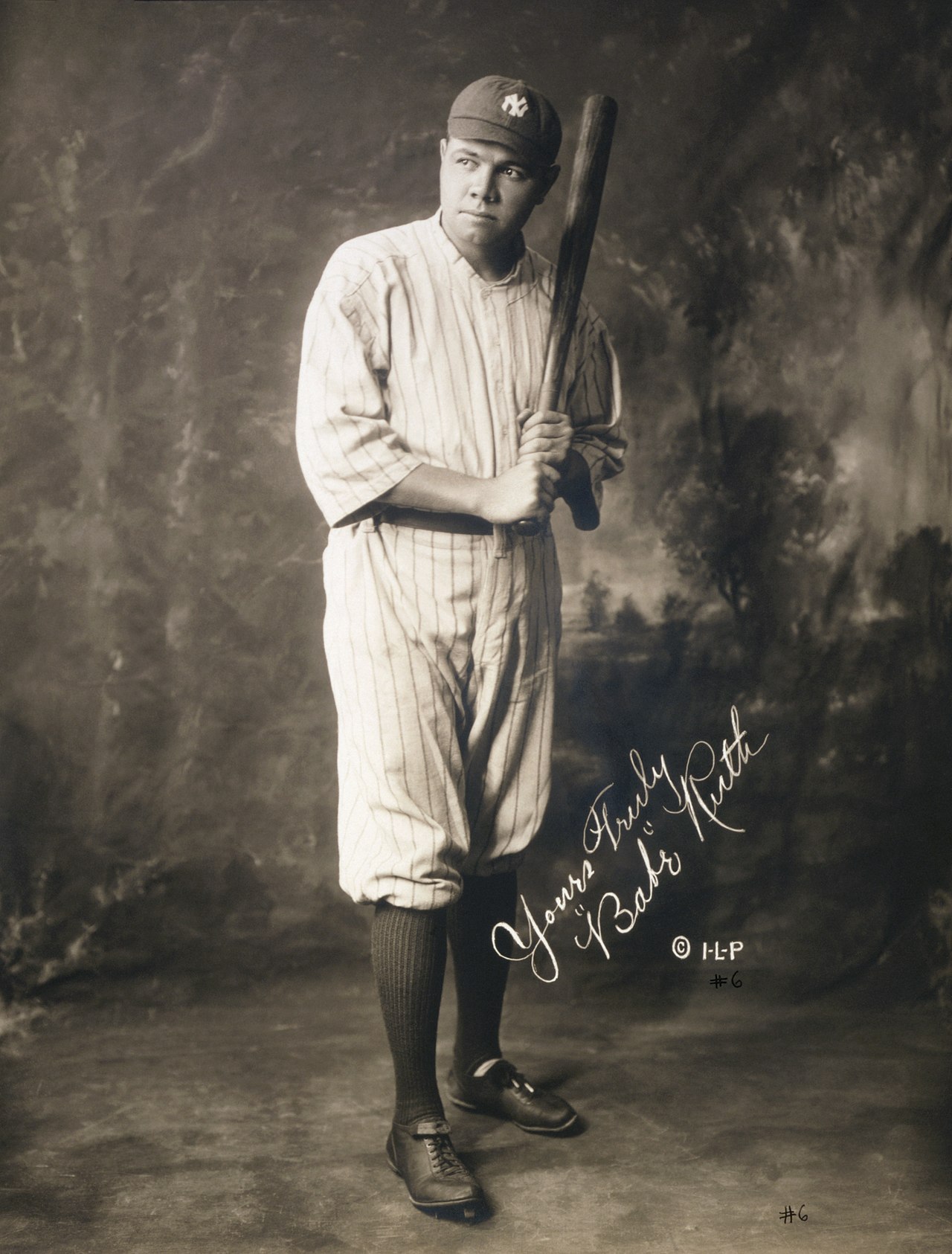
The milestone dates back to the early 20th century: on August 11, 1929, Babe Ruth became the first player to reach 500 home runs, finishing his career with 714 homers — a total that stood as the major league record for decades. In 1974 Hank Aaron surpassed Ruth and finished with 755. That record remained until the 2007 season, when Barry Bonds established the current single‑career mark of 762. The most recent player to enter the 500 club, as of the commonly cited milestone list, is Albert Pujols, who hit his 500th homer on April 22, 2014. Across the history of MLB, roughly two dozen players have reached this plateau.
Notable members, records and facts
- Players who combined 500 home runs with other longevity milestones — for example, the 3,000‑hit club — are especially rare; members who appear on both lists include Hank Aaron, Willie Mays, Eddie Murray and Rafael Palmeiro (career contexts vary).
- The San Francisco Giants franchise is distinctive for having had four players reach 500 while associated with the club at some point: Mel Ott (when the team was based in New York), Willie Mays, Willie McCovey, and Barry Bonds.
- Alex Rodriguez was among the youngest to hit his 500th home run, while Ted Williams stands as one of the older players to reach the milestone late in a long career.
Hall of Fame, controversy and changing perceptions
For many years membership in the 500 club was regarded as a near-certain qualification for the National Baseball Hall of Fame (the Hall). That assumption has been challenged in recent decades as baseball has confronted questions about performance-enhancing drugs and voter attitudes toward the so-called Steroid Era. Several players who reached 500 homers have not been elected to the Hall despite meeting other eligibility requirements; notable examples include Barry Bonds, Sammy Sosa and Mark McGwire, and Rafael Palmeiro has also failed to gain election and was at one point removed from the ballot for not receiving the minimum share of votes to remain eligible. These outcomes reflect how voters may weigh off-field issues, admitted or alleged drug use, and contemporary standards when assessing otherwise outstanding offensive totals.
Legacy and distinctions
The 500 home run club remains a useful shorthand for career power, but analysts and historians place it in context with other measures: rate statistics (slugging, OPS), era adjustments, ballpark factors, and advanced metrics that attempt to separate skill from opportunity. The milestone continues to be celebrated by fans and franchises, and each new member prompts discussion about the meaning of counting milestones in an evolving sport. For further background on modern comparisons and statistical context see league summaries at Major League Baseball and player pages commonly linked from official and historical resources such as individual batter profiles and aggregated team histories.
While the 500 home run club is neither an absolute determinant of greatness nor the only way to evaluate a hitter, it remains one of baseball's most recognizable career benchmarks. Readers interested in the list of members, dates each reached the milestone, and related career totals can consult curated statistical compendia and team record pages for the most current, detailed breakdowns.
Questions and answers
Q: Who was the first member of the 500 home run club?
A: Babe Ruth was the first member of the 500 home run club. He ended his career with 714 home runs.
Q: What is the current record for most career home runs?
A: Barry Bonds holds the current record for most career home runs with 762.
Q: How many players are members of the 500 home run club?
A: There are 26 players that are members of the 500 home run club.
Q: Which franchise has had four players reach 500 home runs while on their roster?
A: The San Francisco Giants have had four players reach 500 home runs while on their roster, which include Mel Ott, Willie Mays, Willie McCovey and Barry Bonds.
Q: How many members of the 500 Home Run Club are also part of 3,000 hit club?
A: Four members of the 500 Home Run Club are also part of 3,000 hit club; Hank Aaron, Willie Mays, Eddie Murray and Rafael Palmeiro.
Q: Who is youngest player to hit 500 homers?
A: Alex Rodriguez is youngest player to hit 500 homers at 32 years and 8 days old.
Q: Who is oldest player to hit 500 homers?
A: Ted Williams is oldest player to hit 500 homers at 41 years and 291 days old.
Related articles
Author
AlegsaOnline.com 500 Home Run Club (Major League Baseball milestone) Leandro Alegsa
URL: https://en.alegsaonline.com/art/112950
Sources
- baseball-reference.com : "Career Leaders & Records for Home Runs"
- mlb.mlb.com : "500 Home Run Club – Milestones | MLB.com: History"
- baseball-reference.com : "Progressive Leaders & Records for Home Runs"
- espn.go.com : "Albert Pujols hits 500th career HR"
- mlb.mlb.com : "Sheffield joins elite club with No. 500"
- mlb.mlb.com : "A-Rod belts historic 500th homer"
- sports.yahoo.com : "500 home run club losing its cachet"
- nytimes.com : "500 Home Runs, Zero Certainty for Thome"
- tampabay.com : "Gary Sheffield's 500 home runs is merely a number, and not a very special one"
- bleacherreport.com : "Why 500 Home Runs No Longer Guarantees Admission to the Hall of Fame"
- baseballhall.org : "Rules for Election"
- sports.espn.go.com : "Bonds says Rose, McGwire belong in Hall of Fame"
- nbcsports.msnbc.com : "McGwire denied Hall; Gwynn, Ripken get in"
- espn.go.com : "Maddux, Glavine, Thomas to HOF"
- baseball-reference.com : "Barry Bonds Statistics and History"