
2017 Tehran attacks
On 7 June 2017 coordinated shootings and bombings struck the Iranian parliament and the Mausoleum of Ruhollah Khomeini in Tehran, killing 12 and wounding dozens; ISIL claimed responsibility.
On 7 June 2017 Tehran suffered two near-simultaneous attacks that targeted political and religious sites in Iran's capital. Assaults took place at the building of the Iranian legislature and at the Mausoleum of Ruhollah Khomeini. Official tallies reported 12 civilians killed and 42 wounded. The extremist group that calls itself the Islamic State (ISIL) claimed responsibility for the operations.
Image gallery
10 Images


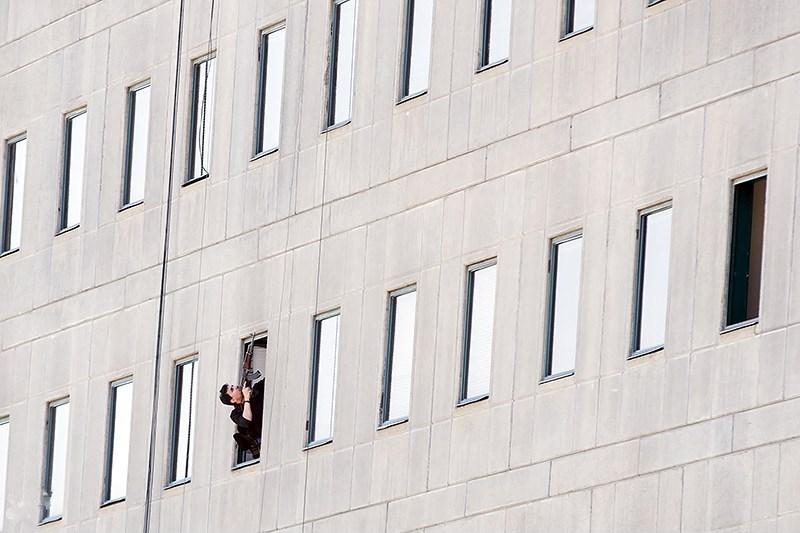


Sequence of events
The two assaults began on the same day and were widely described as coordinated. Armed assailants entered the parliamentary complex and opened fire in public areas, while other attackers struck the Khomeini mausoleum, a major pilgrimage site. Security and emergency services responded to both scenes; both incidents ended after security forces engaged the attackers and secured the locations.
Perpetrators and motives
Responsibility for the attacks was asserted by ISIL. Analysts and officials noted the group’s pattern of striking symbolic Shiite targets and institutions of state authority as part of a broader sectarian and political strategy. Iranian authorities characterized the attacks as terrorism and stressed that hostile foreign-backed networks sought to destabilize the country.
Casualties, damage and immediate consequences
The confirmed human toll included a dozen fatalities and dozens of wounded. In addition to loss of life, the incidents caused shock and temporary disruption to central Tehran, funerary and parliamentary routines, and prompted tightened security at key installations. Investigations and security sweeps followed as officials sought to identify any wider support networks.
Reactions and longer-term effects
- Domestic: Iranian leaders condemned the attacks, ordered security reviews, and held public commemorations for victims.
- International: Governments and organizations denounced the violence and expressed sympathy; commentators highlighted ISIL’s ability to mount operations beyond its Iraqi and Syrian strongholds.
- Context: These were the first major terrorist incidents in Tehran in over a decade and marked Iran’s most prominent attack since earlier bombings in 2010.
For further background on the sites involved see the legislature entry at Iranian parliament and for information on the group claiming responsibility see ISIL. The 2017 Tehran attacks remain notable as a rare instance of high-profile urban terrorism inside Iran and as an episode that underscored regional tensions and the transnational reach of extremist networks.
Related articles
Author
AlegsaOnline.com 2017 Tehran attacks Leandro Alegsa
URL: https://en.alegsaonline.com/art/112605
Sources
- bbc.com : "Iran attacks: 'IS' hits Parliament and Khomeini mausoleum"
- reuters.com : "Iran attackers fought for Islamic State in Syria, Iraq: ministry"
- vaja.ir : "وزارت اطلاعات/هویت عناصر تروریستی حوادث دیروز تهران"
- nytimes.com : "Islamic State Claims Deadly Iran Attacks on Parliament and Khomeini Tomb"
- theguardian.com : "Shootings reported at Iranian parliament and Khomeini shrine"
- bbc.com : "Iran shootings: Parliament and shrine attacked"
- nbcnews.com : "Iran Parliament, Khomeini's Mausoleum Attacked; ISIS Claims Responsibility"
- edition.cnn.com : "Iran attacks: Twin assaults on parliament and shrine rock Tehran"