
Islamic Consultative Assembly (Majles) — Parliament of the Islamic Republic of Iran
The Islamic Consultative Assembly, commonly called the Majles, is Iran's national legislature. It drafts laws, approves the budget, supervises the executive, and works with other state bodies under the constitution.
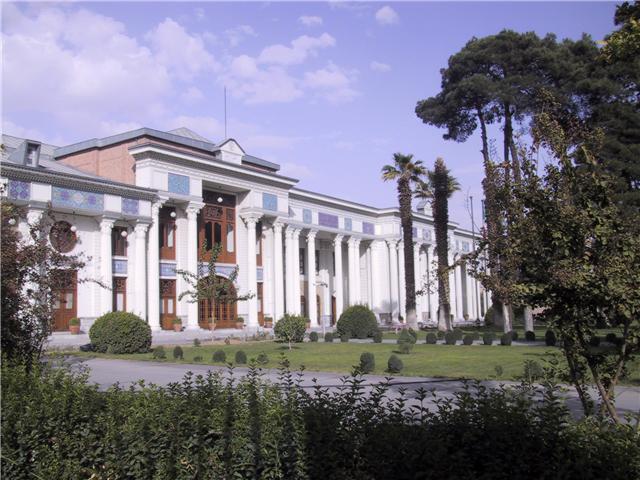
The Islamic Consultative Assembly, often referred to simply as the Majles, is the national legislative body of the Islamic Republic of Iran. Established in its modern form after the 1979 revolution, the Assembly is responsible for making national laws, approving the state budget, ratifying international treaties, and exercising oversight of the executive branch. The chamber currently comprises 290 members elected for four-year terms.
Image gallery
9 Images


Composition and organization
Members are elected from single- and multi-member constituencies across Iran. The Assembly is led by a speaker and deputies elected by deputies. Parliamentary work is carried out in standing commissions that focus on areas such as budgeting, foreign policy, the judiciary, industry, and social affairs. A small number of seats are reserved for officially recognized religious minorities, reflecting long-standing constitutional provisions:
- Armenian Christians (two seats)
- Assyrian and Chaldean Christians (one seat)
- Jews (one seat)
- Zoroastrians (one seat)
Powers and functions
The Majles exercises several core powers under Iran's constitution. Key functions include:
- Drafting, debating and passing legislation subject to constitutional review.
- Approving the national budget and financial bills.
- Ratifying international treaties and agreements.
- Questioning and, in some cases, impeaching ministers and holding the executive accountable.
- Supervising government agencies through hearings and inquiries.
Electoral process and limits
Elections are held every four years. Candidates and enacted laws are reviewed for conformity with the constitution and Islamic law by the Guardian Council, an influential constitutional body that can disqualify candidates and veto legislation. This vetting role shapes the political composition of the Assembly and its legislative agenda. More information on parliamentary procedures and membership is available from the Assembly's official pages: information portal and external profiles: parliamentary overview.
History and significance
The modern Majles traces institutional roots to Iran's constitutional movement in the early 20th century but was reconstituted under the Islamic Republic's 1979 constitution as the Islamic Consultative Assembly. Throughout the post-revolutionary period the body has been a focal point for political debate, policymaking and occasional tensions between elected representatives, appointed bodies, and the office of the Supreme Leader. While the Assembly holds important legislative and oversight authority, its actions are exercised within a constitutional framework that distributes significant powers to other state institutions.
Related articles
Author
AlegsaOnline.com Islamic Consultative Assembly (Majles) — Parliament of the Islamic Republic of Iran Leandro Alegsa
URL: https://en.alegsaonline.com/art/48400
Sources
- irna.ir : "Large-scale turn out at polls in IRI March Majlis Elections: Polls"
- books.google.com : "Iran: Stuck in Transition"
- books.google.com : "The Iranian Constitutional Revolution, 1906-1911: Grassroots Democracy, Social Democracy, & the Origins of Feminism"
- books.google.com : "Iran: A Beginner's Guide"
- books.google.com : "Iran-A Country Study"
- books.google.com : "Ethnic Identity and the State in Iran"
- books.google.com : "Iranian Media: The Paradox of Modernity"
- tools.wmflabs.org : 35°41′30.28″N 51°26′04″E / 35.6917444°N 51.43444°E / 35.6917444; 51.43444