
2017 Puebla earthquake (19 September 2017)
A major magnitude 7.1 earthquake struck near Puebla on 19 September 2017, causing widespread damage in central Mexico, hundreds of deaths, building collapses in Mexico City and Puebla, and a national rescue and recovery effort.
On 19 September 2017 a strong earthquake occurred in central Mexico, centered south of the city of Puebla. The shock was widely felt across the country's densely populated highlands and the Valley of Mexico, producing collapsed structures, landslides and major interruptions to utilities and transport. It struck at approximately 13:14 CDT (18:14 UTC) and was widely reported with an estimated magnitude of 7.1.
Image gallery
10 Images





Characteristics and tectonic origin
Seismological analyses identified the event as an earthquake that originated beneath central Mexico at intermediate depth within the subducting Cocos Plate. The motion involved faulting inside the descending slab rather than on the plate boundary itself. Ground motion was amplified in low-lying parts of the Valley of Mexico, increasing damage in Mexico City despite the epicenter being tens of kilometres away.
Impact and damage
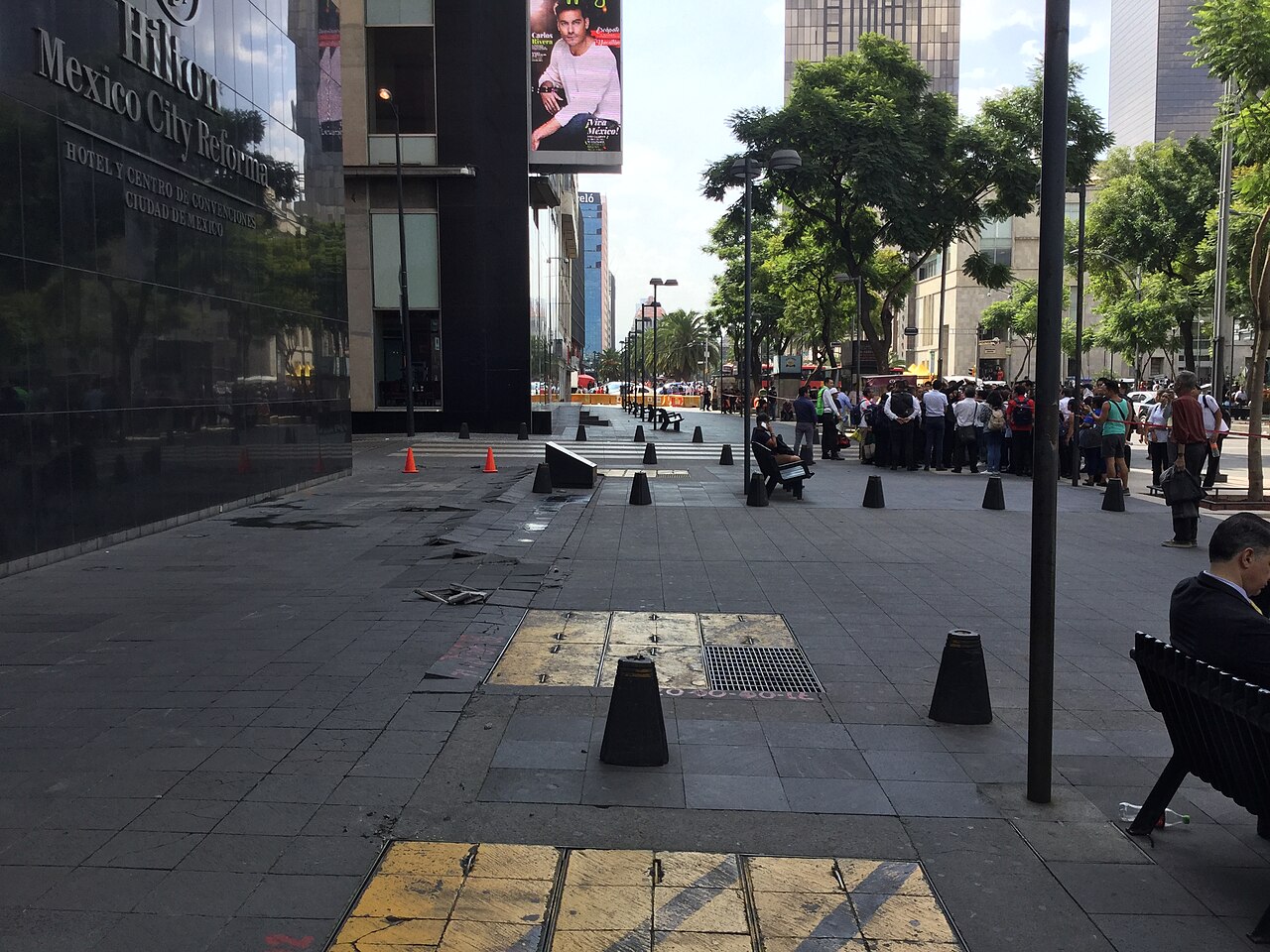
The quake caused significant destruction in the state of Puebla, Mexico City and neighboring states. Numerous multi-storey residential and commercial buildings suffered partial or complete collapse, and many older structures performed poorly. Hospitals, schools and office blocks were damaged and some school buildings failed, resulting in casualties among students and occupants. Overall the disaster produced hundreds of fatalities and thousands of injuries, with extensive property and infrastructure losses.
Immediate response and recovery
Rescue teams from municipal, state and federal agencies, assisted by military units and volunteer brigades, carried out search-and-rescue operations in collapsed structures. Citizens organized community rescue groups, and temporary shelters were established for displaced people. Electricity, water and communications were disrupted in many areas, and authorities imposed safety inspections on damaged buildings. The recovery phase included clearing rubble, restoring services and longer-term rebuilding and retrofitting work to reduce future risks.
Notable context and lessons
This earthquake occurred on the 32nd anniversary of the catastrophic 1985 Mexico City earthquake and only hours after a national seismic drill had been held to commemorate that earlier disaster. The coincidence underscored ongoing concerns about urban vulnerability, the importance of building codes and emergency preparedness, and the role of community response alongside official agencies. For further contemporary reports and official summaries see sources linked by seismological and governmental agencies covering Greater Mexico City and historical accounts of the 1985 event commemorating its anniversary.
Immediate effects and recommended precautions
- Aftershocks persisted for days to weeks and posed a continuing hazard to weakened structures.
- Individuals were advised to follow official evacuation orders, avoid entering damaged buildings, and use emergency kits and contacts.
- Longer-term measures included evaluating and upgrading building codes, repairing lifeline infrastructure, and bolstering community preparedness.
Related articles
Author
AlegsaOnline.com 2017 Puebla earthquake (19 September 2017) Leandro Alegsa
URL: https://en.alegsaonline.com/art/112601
Sources
- twitter.com : "Réplicas hasta las 12:30 hrs del 23/09/2017"
- earthquake.usgs.gov : "M 7.1 - 5km ENE of Raboso, Mexico"
- cnn.com : "Central Mexico earthquake kills scores, topples buildings"
- reforma.com : "Van 117 muertos por sismo en CDMX"
- npr.org : "Powerful Earthquake Shakes Mexico On 32nd Anniversary Of Deadly Temblor"
- tagesschau.de : "Starkes Erdbeben erschüttert Mexiko"