
1998 Minnesota gubernatorial election
A major upset in which Reform Party candidate Jesse Ventura won Minnesota's governorship over Republican Norm Coleman and DFL nominee Skip Humphrey, illustrating third‑party potential and voter discontent.
The 1998 Minnesota gubernatorial election, held on November 3, 1998, produced one of the most surprising outcomes in recent American state politics. Voters elected Reform Party candidate Jesse Ventura, defeating Republican nominee Norm Coleman and the Minnesota Democratic–Farmer–Labor (DFL) nominee Hubert H. "Skip" Humphrey III. Ventura's victory was widely described as an upset because he ran as a third‑party candidate and was best known as a former professional wrestler and media personality rather than a traditional politician.
Image gallery
6 Images


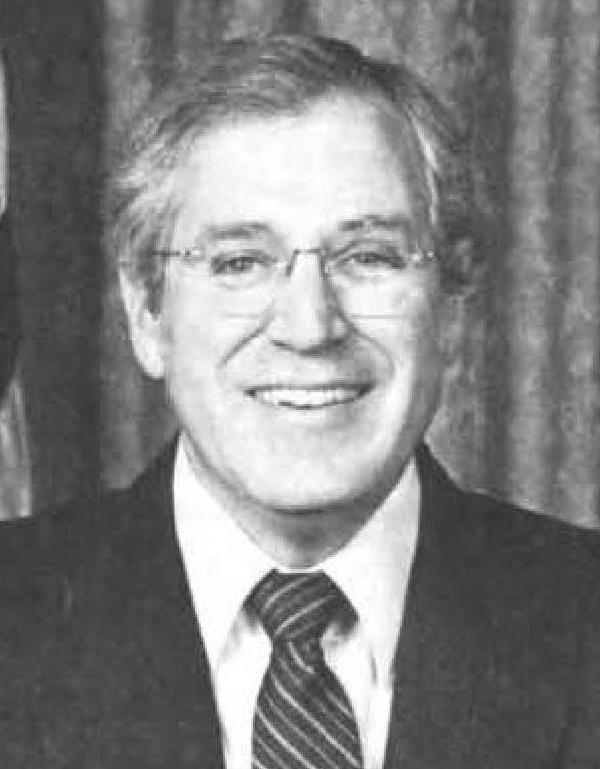


Background and parties
The contest took place against a backdrop of voter dissatisfaction with conventional politics and with the two major parties. Ventura ran on the ticket of the Reform Party, a national organization founded during the 1990s by businessman and presidential candidate Ross Perot. Perot's earlier campaigns had shown substantial third‑party strength in Minnesota and elsewhere: he drew notable support in the 1992 and 1996 presidential elections, helping create space for non‑traditional candidates at the state level.
Candidates and campaign approaches
- Jesse Ventura — Campaigned as a political outsider promising to shake up state government. Ventura used unconventional advertising, sharp use of television and media appearances, town‑hall style events, and direct, plainspoken messaging aimed at independent and disaffected voters.
- Norm Coleman — The Republican nominee presented a conventional conservative platform focused on business, fiscal restraint, and law‑and‑order themes, appealing to suburban and traditional Republican constituencies.
- Skip Humphrey — The DFL nominee emphasized experience in state government and progressive priorities, drawing on his record as Minnesota Attorney General and his political family background.
Campaign dynamics
Key dynamics included Ventura's high name recognition and media skills, a campaign that capitalized on humor and anti‑establishment themes, and broad voter dissatisfaction with the major parties. Debates, televised appearances, and a vigorous grassroots effort helped Ventura consolidate support among independents and some Democrats and Republicans disillusioned with their standard choices. Pundits and many polls underestimated his momentum in the weeks before election day.
Results and immediate aftermath
Ventura won with a plurality of the vote in a three‑way race, securing the governor's office and taking office in January 1999. His victory was a rare modern example of a third‑party candidate winning a statewide executive race in the United States. Ventura served a single four‑year term and chose not to seek reelection in 2002. The election briefly increased visibility for the Reform Party in Minnesota, although the party did not become a lasting major force.
Political consequences and later careers
The election prompted discussion about vote splitting, media strategy, and the ability of outsider candidates to disrupt established party systems. It affected how both major parties approached candidate recruitment and message discipline in subsequent cycles. The campaign also influenced the public image and careers of the principal figures: observers followed Ventura throughout his term, tracked the future activities of Coleman, and noted the trajectory of the Minnesota DFL and its nominees such as Skip Humphrey.
Significance and legacy
The 1998 election remains notable for demonstrating that, under certain conditions—celebrity or name recognition, effective messaging, a receptive media environment, and voter dissatisfaction—a third‑party candidate can win high office. The result is commonly cited in discussions about independent and third‑party campaigns, lesson plans in political science about electoral pluralities, and analyses of late‑1990s American political realignment influenced by figures like Ross Perot and his impact in the 1992 and 1996 presidential contests.
For additional context on party platforms, campaign finance, county‑level voting patterns, and the subsequent public careers of the candidates, readers can consult contemporary reporting and party materials. Relevant organizational histories include those of the Reform Party, the Republican Party, and the Minnesota DFL.
Related articles
Author
AlegsaOnline.com 1998 Minnesota gubernatorial election Leandro Alegsa
URL: https://en.alegsaonline.com/art/112282
Sources
- cnn.com : "Minnesota primary results - September 15, 1998"
- nytimes.com : "A 'Bad Boy' Wrestler's Unscripted Upset"