
1978 Formula One season
Season marked by Mario Andretti's championship with Team Lotus and the revolutionary Lotus 79 ground-effect car; notable for technical innovation, competitive rivalries, and a tragic accident at Monza.
Overview
The 1978 Formula One season saw a decisive shift in car design and race outcomes as aerodynamic development became the central factor in competitiveness. The drivers' title was won by Mario Andretti, driving for Team Lotus, whose innovative design approach produced a car that outpaced many rivals. The season included a series of Grands Prix held across Europe and other continents, with established teams and emerging engineering ideas vying for advantage.
Image gallery
7 Images


Technical developments and cars
Engineering advances defined the year. Team Lotus introduced the Lotus 79, a chassis that exploited ground-effect aerodynamics to generate far greater cornering grip than conventional designs. Other teams responded by refining suspension, chassis stiffness and bodywork to recover lost ground. The focus on extracting downforce from car shape rather than just wings changed design priorities and influenced subsequent regulations and car concepts.
Championship dynamics and key moments
The title battle was shaped less by a single dominant driver than by the combination of a competitive car and consistent results. Andretti's championship was notable not only because he claimed the highest prize, but also because he remains one of the few American drivers to win the Formula One World Championship. The season also featured intense rivalry between established stars and rising contenders, with several races decided by small margins or strategic nuance.
Tragedy and safety
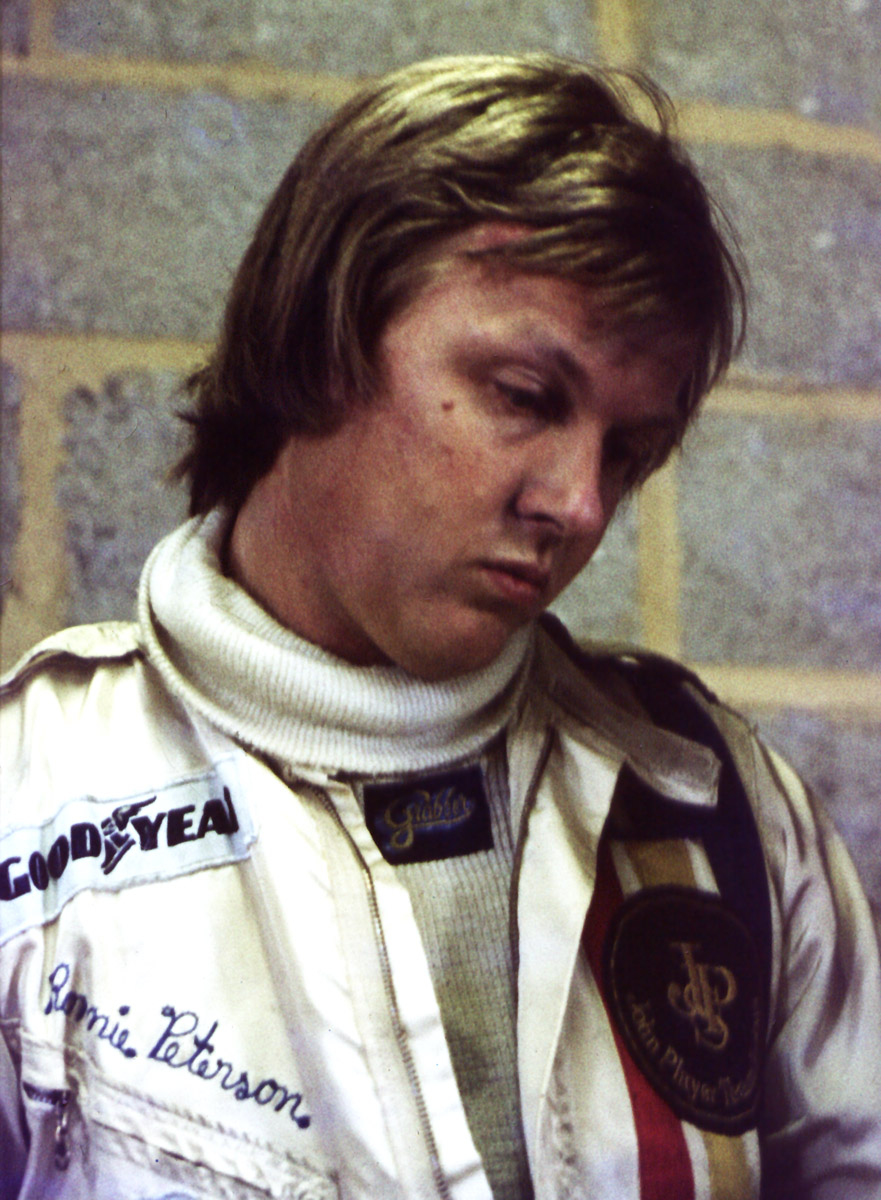
Amid the technical excitement, the year was marred by a serious accident at the Italian Grand Prix in Monza that led to the death of a top driver and prompted renewed debate about circuit safety, medical response and car construction. That event had immediate emotional impact on the paddock and helped accelerate conversations about improving on-track protection for drivers and marshals.
Legacy and significance
- Ground-effect design, as demonstrated by the Lotus 79, influenced the next generation of Formula One cars and changed aerodynamic thinking.
- The championship underscored the growing importance of engineering innovation alongside driver skill.
- Safety concerns raised during the season contributed to later improvements in circuit standards and vehicle safety systems.
Overall, the 1978 season is remembered for its technical turning point, the crowning of a prominent champion, and the bittersweet mix of sporting triumph and human cost that helped shape the sport's future direction.
Related articles
Author
AlegsaOnline.com 1978 Formula One season Leandro Alegsa
URL: https://en.alegsaonline.com/art/112150