
Central line (London Underground)
The Central line is a deep-level London Underground route running broadly east–west. Shown in red on Tube maps, it links central London with suburban branches and is a core commuter artery.
Overview
The Central line is one of the principal deep-level routes of the London Underground, running predominantly in an east–west direction across the capital. Its colour on the Tube map is red, making it easy to identify among other lines. It provides fast cross-city links through the West End and the financial district and also serves a number of suburban branches that extend into outer London.
Image gallery
1 Image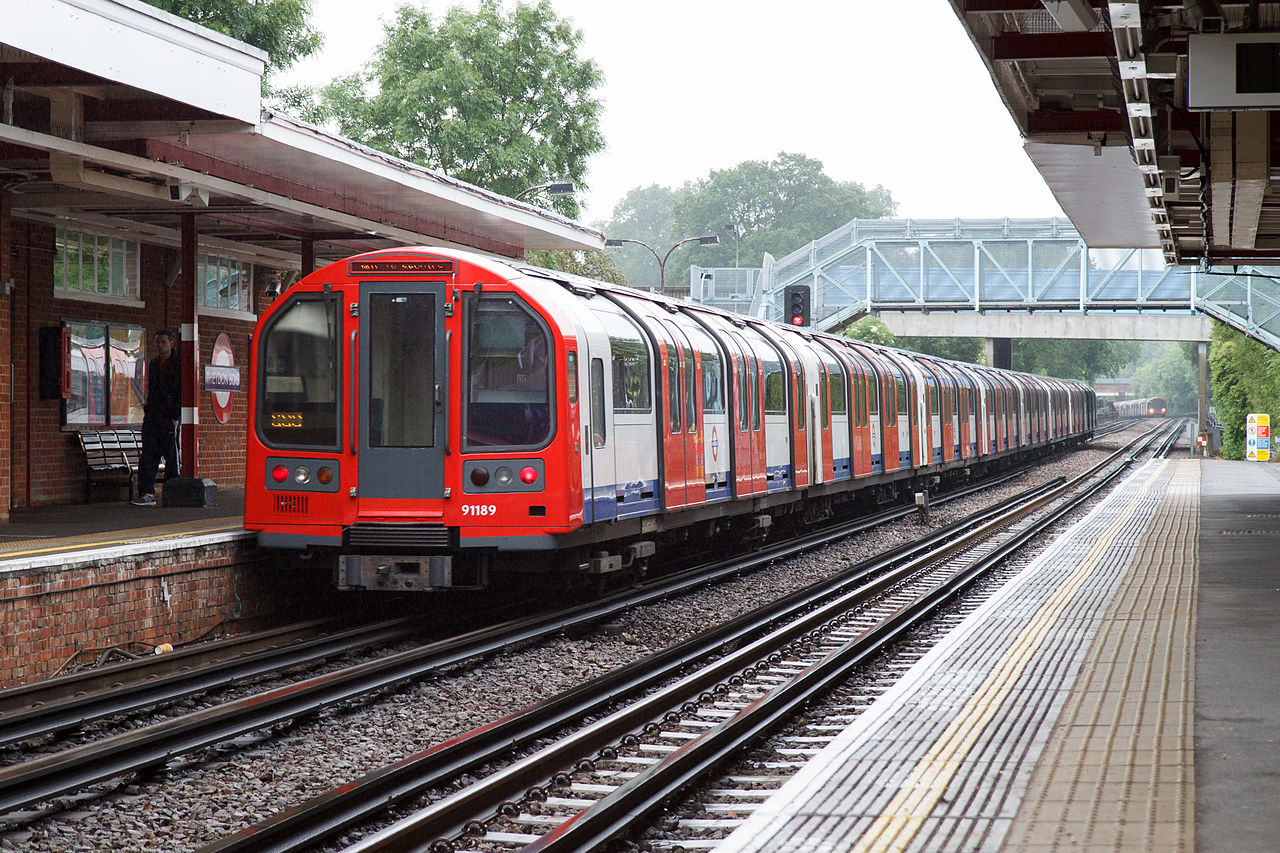
History and development
The line began life as the Central London Railway, which opened at the start of the 20th century as a deep-level electric railway. Significant extensions were added in the interwar years, connecting the central core with growing suburbs. Later changes included the winding down of some rural branches: for example, the Epping–Ongar section was removed from regular Underground service in the 1990s. Over time the route has been modernised while retaining its role as a main east–west artery.
Route, stations and interchanges
The Central line runs through many of London’s key centres and interchange stations. Typical central stops include Oxford Circus, Tottenham Court Road and Bank, which provide connections to several other Underground lines and national rail services. Branches at the eastern and western ends serve residential areas and suburban hubs, linking commuters into the central core.
Operations and services
Service patterns vary between the central core and the outer branches. Outside the busiest peak periods, trains on the core central section generally run every 3–4 minutes, while frequencies on the branches are lower, often every 6–7 minutes. Trains are purpose-built for deep-level tube tunnels and operation is coordinated to provide frequent cross-London journeys during the day.
Importance and notable facts
- The Central line forms a strategic east–west corridor and is essential to commuting patterns across London.
- Its red colour is a standard feature of the Tube map and signage, helping passengers navigate the network.
- Historical changes in the line’s extent—such as the withdrawal of the Epping–Ongar branch—have affected overall route length but not its central role.
For official details on services, station facilities and planned engineering works consult the operator’s guidance: Transport information. The Central line’s position and interchange points are shown on the network schematic: Tube map.
Questions and answers
Q: What is the Central Line?
A: The Central Line is a line of the London Underground.
Q: What is the color of the Central Line on the tube map?
A: The color of the Central Line on the tube map is red.
Q: Where does the Central Line run?
A: The Central Line runs east-west through London.
Q: Was the Central Line the longest line until recently?
A: Yes, the Central Line was the longest line until the line between Epping and Ongar was closed.
Q: How often do the trains run on the Central Line outside of rush hours in Central London?
A: Outside the rush hours, trains run every 3-4 minutes in Central London.
Q: How often do the trains run on the branches outside of rush hours?
A: Outside the rush hours, trains run every 6-7 minutes on the branches.
Q: What is the frequency of trains during rush hours?
A: The text does not provide an answer to this question.
Related articles
Author
AlegsaOnline.com Central line (London Underground) Leandro Alegsa
URL: https://en.alegsaonline.com/art/116137
Sources
- tfl.gov.uk : "LU Performance Data Almanac"
- tfl.gov.uk : "London Underground Key Facts"