
Boeing 747-400: Advanced variant of the 747 family
The Boeing 747-400 is an improved wide-body jet introduced in the late 1980s. Known for winglets, updated avionics and longer range, it served as both a passenger airliner and a freighter in several variants.
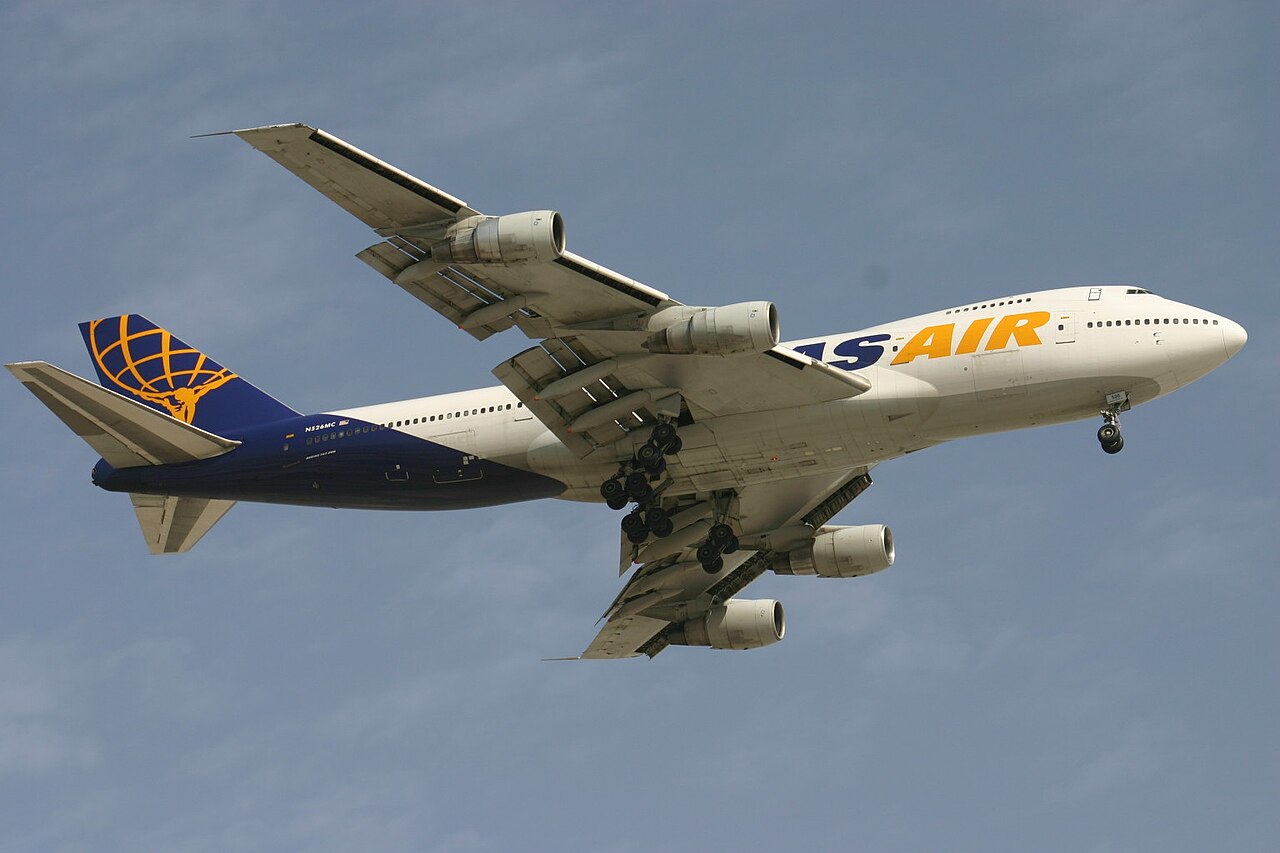
The Boeing 747-400 is a long‑range, wide‑body airliner developed as a modernization of the original 747 family. Introduced in the late 1980s, it combined aerodynamic refinements, more powerful powerplants and a modernized flight deck to extend range and reduce operational costs. The type became widely used for international long‑haul passenger services and heavy air freight, and it remains one of the most recognizable airliners because of its stepped upper deck.
Image gallery
10 Images





Design and key characteristics
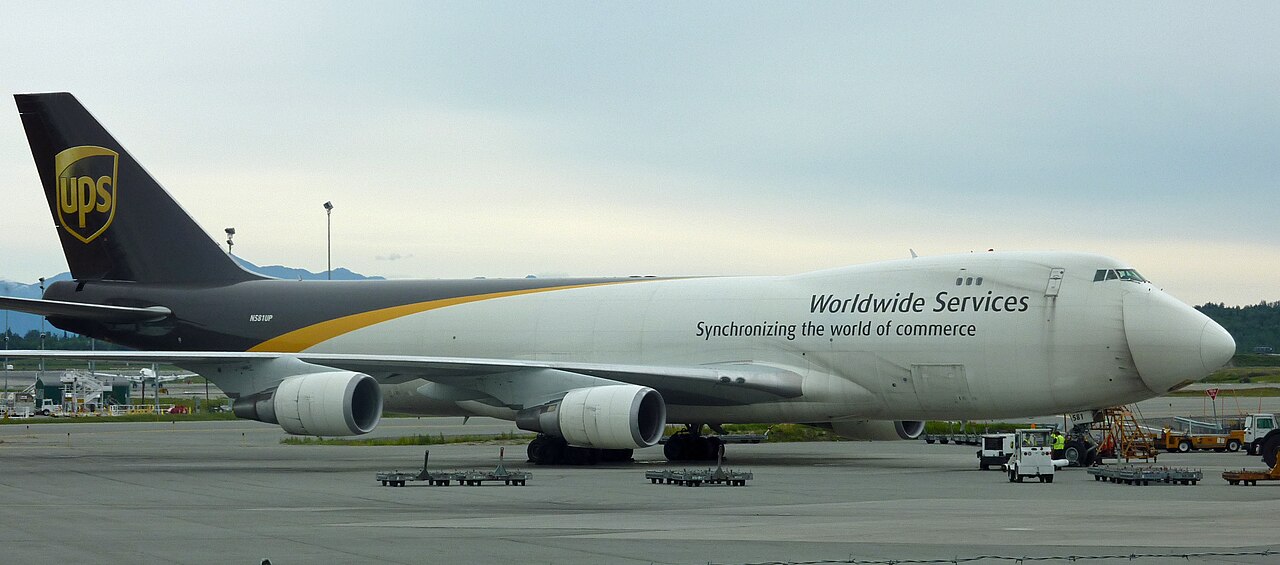
The 747-400 retained the classic 747 configuration — a full-length lower deck and a distinctive upper deck — but added a number of performance and efficiency improvements. A longer-span wing fitted with winglets reduced drag and improved cruise efficiency. Avionics were upgraded to a two‑crew glass cockpit, eliminating the flight engineer position found on earlier 747s. Airlines could choose between several high‑bypass turbofan engines, commonly the Pratt & Whitney PW4000 series, the General Electric CF6‑80C2, or the Rolls‑Royce RB211‑524 family.
Capacity, range and interior
Seating layouts varied widely by airline and role. Typical three‑class passenger arrangements commonly carried a few hundred people, while high‑density single‑class configurations could accommodate many more. Interior options emphasized long‑haul comfort, with some operators using the upper deck for lounges, business seating, or premium cabins. The freighter and combi configurations modified the main deck for large cargo volumes and palletized loads; some freighters used a nose door for oversized items.
Variants and roles
- 747-400 — standard long‑range passenger model.
- 747-400F — factory freighter built for dedicated cargo service.
- 747-400M — combi (passenger and freight) for mixed-use capability.
- 747-400D — domestic high‑density version for short‑haul markets.
- 747-400ER and 747-400ERF — extended‑range passenger and freighter versions with greater payload or range.
Development, service history and operational use
The 747-400 first flew in 1988 and entered airline service the following year. It was produced alongside other 747 family members through 2009. During its service life the model was widely adopted by major international carriers for transcontinental and transoceanic routes. From the 2000s onward, more fuel‑efficient twinjets and newer models began to supplant the 747-400 on many passenger routes, though freighter and converted passenger examples continued in active cargo service.
Legacy and notable facts
The 747-400 is notable for helping transition large airliners to modern avionics and two‑pilot operations. Its combination of passenger and freight capability, and its visual profile with winglets and the prominent upper deck, made it an enduring symbol of long‑haul aviation. For a broader view of the 747 family and related development, see the main family entry: Boeing 747.
Questions and answers
Q: What is the Boeing 747-400?
A: The Boeing 747-400 is a variant of the Boeing 747, which is a jet airliner.
Q: What are some improvements of the 747-400 compared to the original 747?
A: The 747-400 features more powerful engines, new avionics, a new interior, and a longer-span wing with winglets.
Q: When did the 747-400 first fly?
A: The 747-400 first flew in 1988.
Q: when did it enter service?
A: The 747-400 entered service in 1989.
Q: How long was the 747-400 produced?
A: The 747-400 was produced until 2009.
Q: How many variants of the 747-400 were there?
A: There were six different variants of the 747-400: 747-400, 747-400F, 747-400M, 747-400D, 747-400ER, and 747-400ERF.
Q: What are winglets?
A: Winglets are vertical extensions at the tip of the aircraft wing, designed to reduce drag and increase efficiency.
Related articles
Author
AlegsaOnline.com Boeing 747-400: Advanced variant of the 747 family Leandro Alegsa
URL: https://en.alegsaonline.com/art/115431