
1950 FIFA World Cup
International football tournament hosted by Brazil in 1950; notable for its final round-robin format and Uruguay's surprise victory over the host in the decisive match.
Overview
The 1950 FIFA World Cup was the fourth edition of the world championship for national association football teams and was staged in Brazil. It was the first World Cup held after World War II and is remembered for its unusual competition format and a dramatic final match that produced one of football's most famous upsets. For general reference see the 1950 FIFA World Cup entry and broader information on association football.
Image gallery
10 Images


Format and participants
The tournament departed from the single-elimination finale used in other years. Instead, the competition began with initial groups whose winners advanced to a final group stage consisting of four teams. The champions were the team finishing top of that final round-robin table rather than the winner of a single final match. The event took place across several Brazilian cities, with the host nation fielding a strong side. The host country is described in detail at Brazil.
Final group and decisive match
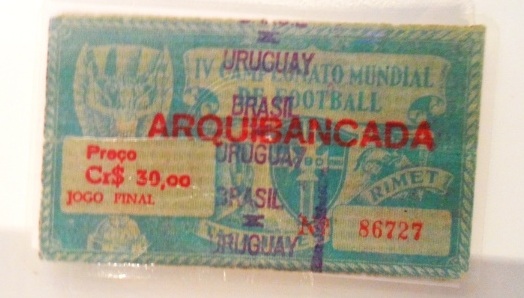
The four teams that contested the final pool were Uruguay, Brazil, Sweden and Spain. The championship was effectively decided in the last of the final group fixtures when Uruguay beat Brazil. That result placed Uruguay above the other three in the final standings and secured the title. Uruguay's national team is profiled at Uruguay, while the other finalists appear in accounts for Sweden and Spain.
Historical significance and legacy
Beyond the outcome, the 1950 tournament is important for several reasons: it marked the return of global football competition after a long wartime pause; it highlighted alternative tournament structures; and it left a lasting cultural memory in its host nation because of the unexpected defeat of the favorites. The match and its aftermath influenced how future World Cups were perceived and organized.
Notable facts
- The competition featured fewer teams than some later World Cups due to withdrawals and the post-war context.
- The final group format meant teams had to sustain consistent performance across multiple decisive fixtures.
- The tournament contributed to football's global revival in the mid-20th century and remains widely studied by historians of the sport.
For further reading and match details consult dedicated historical sources and archives linked above.
Related articles
Author
AlegsaOnline.com 1950 FIFA World Cup Leandro Alegsa
URL: https://en.alegsaonline.com/art/112013
Sources
- fifa.com : FIFA