
1954 Formula One season
The fifth FIA Formula One World Championship, notable for Juan Manuel Fangio's title and the return of Mercedes with the innovative W196 under new 2.5‑litre regulations.
Overview
The 1954 Formula One season was the fifth official FIA World Championship for drivers. It is remembered for a tightly contested title fight and for the high‑profile re‑entry of Mercedes‑Benz into Grand Prix racing. The championship produced close competition between privateer teams and factory outfits, and it consolidated a new set of technical rules that guided car design through the rest of the decade.
Image gallery
8 Images




Regulations and technical change
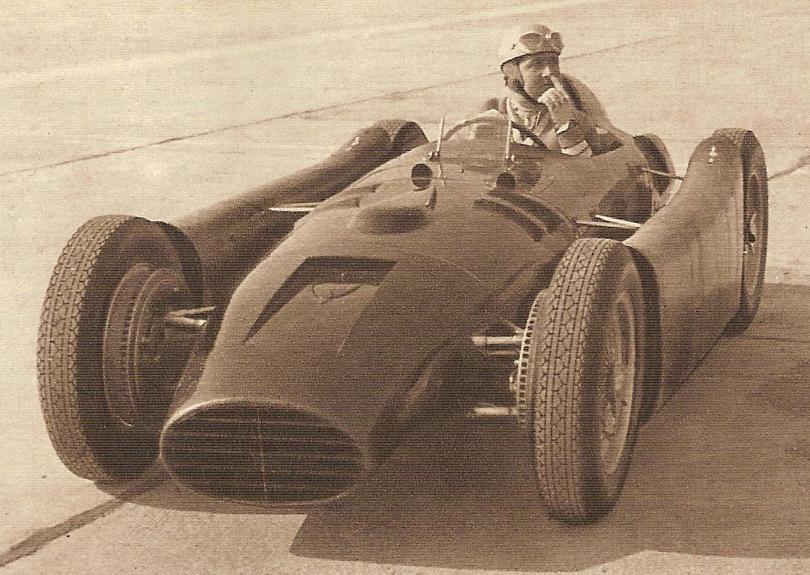
From 1954 Formula One ran to new engine regulations allowing up to 2.5‑litre naturally aspirated or smaller supercharged cars. This shift encouraged manufacturers to develop more powerful, reliable engines and more advanced chassis. Mercedes introduced the streamlined W196 with fuel injection and aerodynamic bodywork, a design that exemplified the technological leap occurring in the sport.
Season narrative
The title campaign remained competitive throughout the year. Juan Manuel Fangio emerged as the drivers' champion, driving with great adaptability for more than one marque during the season and benefiting from the pace of the newest factory machines. Races were contested on a mixture of permanent circuits and road courses, testing drivers' bravery and engineers' ingenuity in equal measure.
Teams, cars and drivers
Major participants included established names such as Ferrari and Maserati alongside the returning Mercedes works team. The field combined factory entries and well‑prepared privateers, producing a variety of car types and approaches. Technical advances—fuel injection, refined suspension, and aerodynamic bodywork—began to have a notable impact on race performance.
Legacy and importance
The 1954 season set several enduring trends: the importance of manufacturer involvement, rapid technical development, and the strategic value of mid‑season car upgrades. Fangio's success that year reinforced his reputation as one of the era's most complete drivers. The season also underscored how regulatory changes can swiftly alter competitive order.
Notable facts
- The season marked a clear demonstration of how engineering innovation, especially from manufacturers, could change results quickly.
- Mercedes' W196 became an iconic example of 1950s Grand Prix engineering, notable for its streamlined and open versions.
- Driver skill across varied circuits remained decisive, with several close finishes and strategic battles during races.
Related articles
Author
AlegsaOnline.com 1954 Formula One season Leandro Alegsa
URL: https://en.alegsaonline.com/art/112030