
1934 FIFA World Cup
The second FIFA World Cup, held in Italy in 1934. A 16-team, straight knockout tournament featuring the first World Cup qualification process; Italy defeated Czechoslovakia in the final (2–1 after extra time).
The 1934 FIFA World Cup was the second edition of football's global national-team competition and the first to require a formal qualification phase. Staged in Italy, the tournament brought together 16 sides in a straight knockout format and concluded with the hosts lifting the trophy.
Image gallery
10 Images


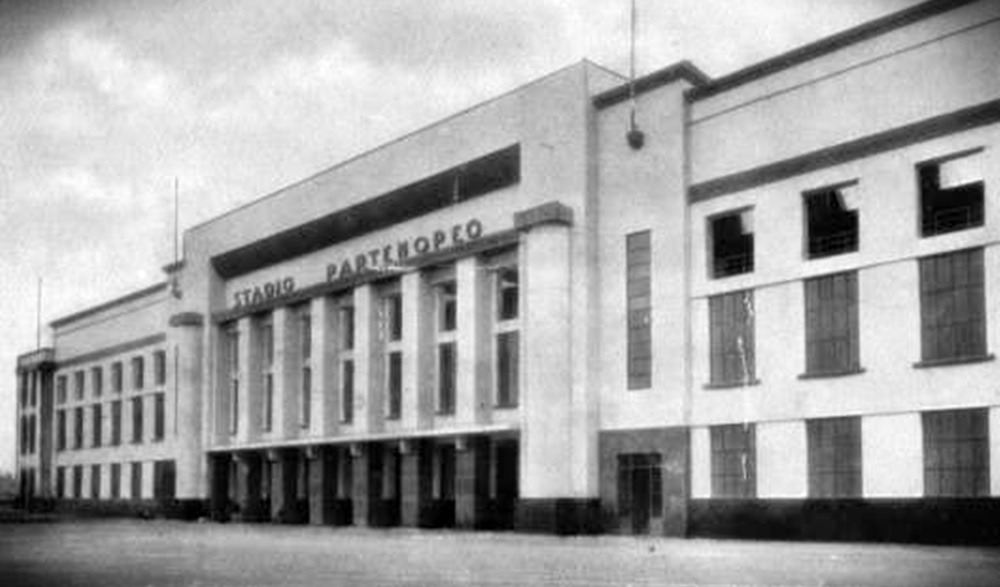
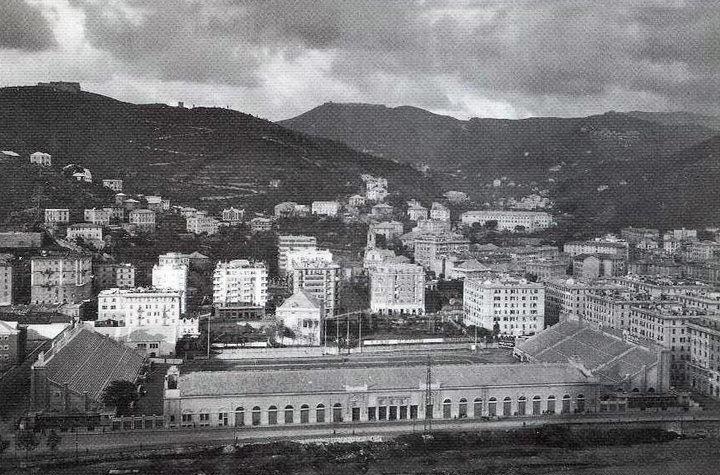

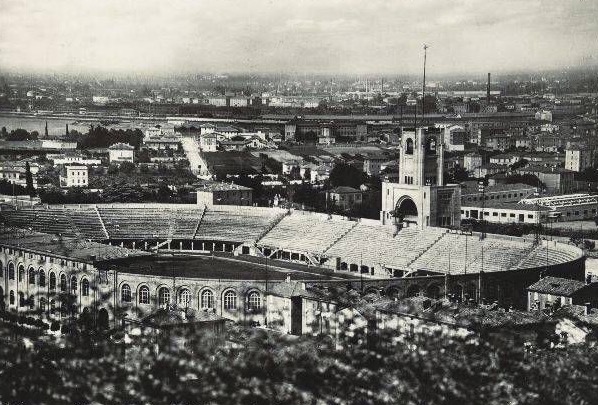
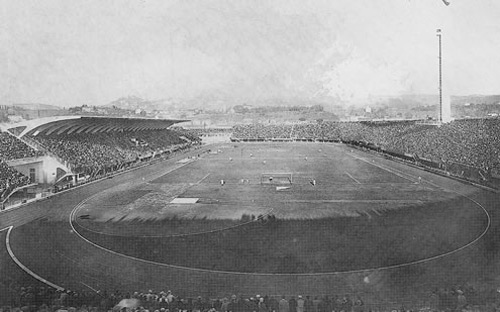

Overview and format
Unlike the inaugural 1930 event, the 1934 competition used qualification to determine entrants and adopted a single-elimination bracket from the round of 16 onward. Matches tied after regulation were settled by extra time or replay as permitted by the rules of the era. Games were played in several Italian cities between late May and early June 1934.
Outcome and notable teams
Host nation Italy won the tournament, defeating Czechoslovakia 2–1 after extra time in the final. The other semi-finalists included teams that were then among Europe's strongest. The competition established Italy as a leading force in international football and preceded further successes later in the decade.
Historical context and legacy
The 1934 World Cup took place against a charged political backdrop in Europe. The event increased the tournament's international profile and set organizational precedents still visible today: the use of qualification, broader geographic hosting, and the expectation of a multi-city schedule. It also demonstrated the World Cup's potential as a major international spectacle.
Quick facts
- Host: Italy
- Dates: Late May–early June 1934
- Teams: 16 (first World Cup with qualification)
- Winner: Italy
- Runner-up: Czechoslovakia
- Final score: Italy 2–1 Czechoslovakia (after extra time)
For a fuller match list, statistical details and contemporary accounts, follow archival and football-history resources that document the early World Cups and their development within international sport.
Related articles
Author
AlegsaOnline.com 1934 FIFA World Cup Leandro Alegsa
URL: https://en.alegsaonline.com/art/111966
Sources
- topendsports.com : "World Cup Best Players (Golden Ball)"
- fifa.com : FIFA