
1936 Winter Olympics
The IV Olympic Winter Games held in Garmisch‑Partenkirchen, Germany in February 1936 — a sporting event notable for new disciplines, political context, and its place in pre‑war Olympic history.
The 1936 Winter Olympics, officially the IV Olympic Winter Games, took place in Garmisch‑Partenkirchen in the Bavarian Alps. Staged in February 1936, these Games were organized in Bavaria within Germany and occurred in the same year that Germany hosted the 1936 Summer Olympics in Berlin. They represent a significant moment in interwar Olympic history because of both sporting developments and the broader political environment.
Image gallery
4 Images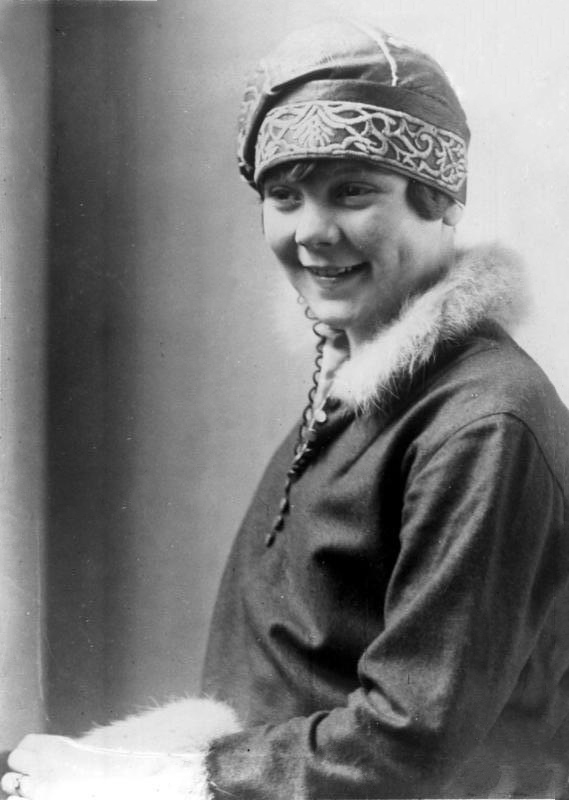



Overview and program
The program included traditional winter sports such as cross‑country skiing, ski jumping, figure skating and ice hockey. Alpine skiing made its Olympic debut as a combined event, reflecting the growing popularity of downhill racing. Some military-style winter competitions, known as military patrol, were held in demonstration form and later evolved into biathlon disciplines.
Venues and organization
The host site combined the formerly separate communities of Garmisch and Partenkirchen to present unified facilities for competition and spectators. Organizers built and upgraded ski jumps, bobsleigh runs and skating rinks to meet international standards, setting a model for later Winter Games held in mountainous resort towns.
Context, controversies and legacy
The 1936 Winter Games were staged against a charged political background: the ruling government sought to use both Winter and Summer Games for national prestige, and international attention highlighted questions about politics and sport. Despite this, athletes from many countries competed and the Games advanced winter sporting techniques, equipment and international rules.
Notable facts
- Alpine skiing’s Olympic debut marked a lasting expansion of the Winter program.
- The event showcased winter sports infrastructure design that influenced later hosts.
- Held in the same year as the Berlin Summer Olympics, the 1936 Winter Games are often discussed together with their summer counterpart for historical context.
Questions and answers
Q: When were the 1936 Winter Olympics held?
A: The 1936 Winter Olympics were held in 1936.
Q: Where were the 1936 Winter Olympics held?
A: The 1936 Winter Olympics were held in the town of Garmisch-Partenkirchen in Bavaria, Germany.
Q: What is the official name of the 1936 Winter Olympics?
A: The official name of the 1936 Winter Olympics is the IV Olympic Winter Games.
Q: Did Germany host any other Olympics in 1936?
A: Yes, Germany also hosted the Summer Olympics in Berlin in the same year as the Winter Olympics.
Q: Which country did host the 1936 Winter Olympics?
A: Germany hosted the 1936 Winter Olympics.
Q: In which season were the 1936 Winter Olympics held?
A: The 1936 Winter Olympics were held in winter.
Q: In which town were the 1936 Winter Olympics held?
A: The 1936 Winter Olympics were held in the town of Garmisch-Partenkirchen in Bavaria, Germany.
Related articles
Author
AlegsaOnline.com 1936 Winter Olympics Leandro Alegsa
URL: https://en.alegsaonline.com/art/111973