
1851 (Year)
An overview of the year 1851: major political events, cultural milestones like the Great Exhibition and Moby-Dick, the expansion of conflicts and gold rushes, and notable publications and premieres.
1851 was a year of spectacle and upheaval in the mid-19th century, marked by world-facing cultural showcases, influential literary releases, and political turns that presaged larger changes across Europe and beyond. Advances in communication and transport continued to reshape societies even as regional conflicts expanded and new economic booms began in distant colonies.
Image gallery
10 Images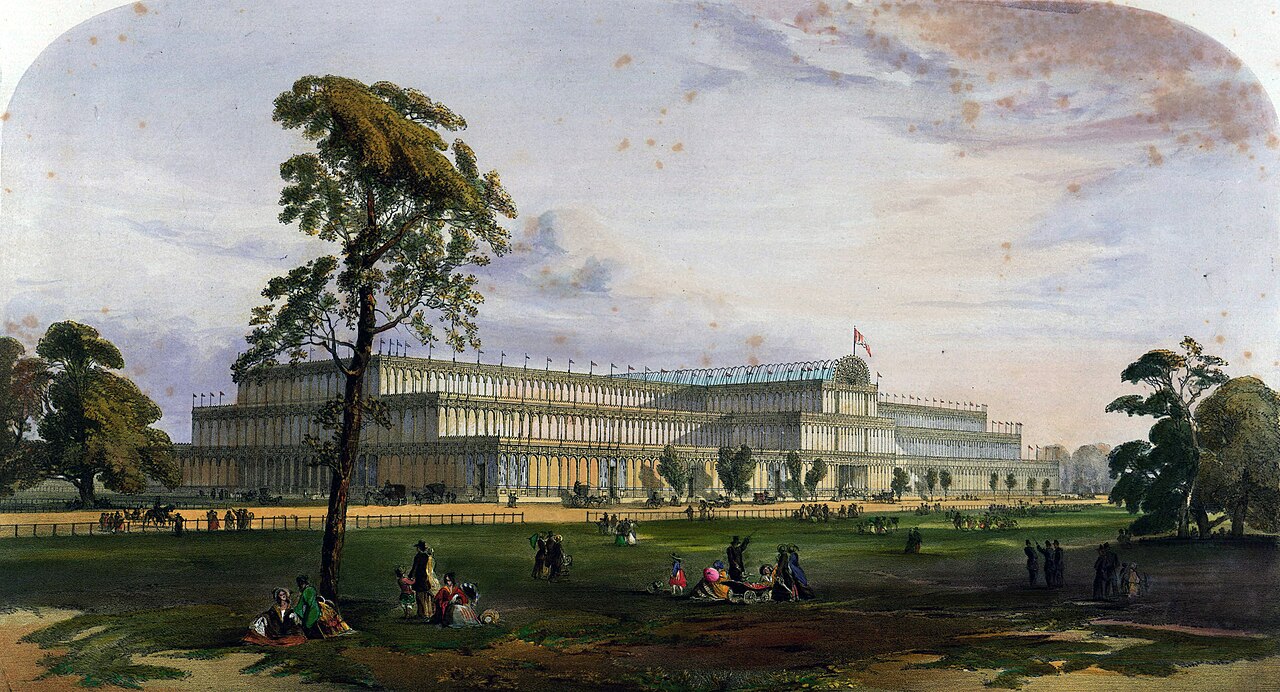





Major public events
One of the most visible symbols of 1851 was the Great Exhibition in London, which opened in the Crystal Palace on May 1 and presented industrial, scientific and artistic achievements from around the world. That same year saw the beginning of large-scale gold discoveries in Australia, triggering mass migration and rapid economic growth in New South Wales and Victoria. In France, the year ended with a decisive moment when President Louis-Napoleon Bonaparte moved toward authoritarian rule with the coup of 2 December, a turning point that led to the establishment of the Second Empire.
Culture, literature and music
1851 was notable in literature and the arts. Herman Melville's Moby-Dick appeared in the United States in 1851 (published slightly earlier in London as The Whale), and Nathaniel Hawthorne's The House of the Seven Gables also reached readers that year. In opera, Giuseppe Verdi's Rigoletto received its premiere at La Fenice in Venice, adding a work that would become central to the repertory. Photography and the telegraph were increasingly part of cultural life, affecting news circulation and visual documentation.
Conflict, politics and global context
The Taiping movement in China, which began in 1850, expanded in 1851 into a wider civil conflict that would reshape parts of southern China over the following decade. Across the Atlantic, the United States continued to feel the tensions of sectional politics and rapid territorial and economic change; elsewhere, 1851 reflected a pattern in which industrial power and imperial reach produced both international exhibitions of progress and sharper internal political contests.
Notable people and legacy
The year witnessed the deaths of several prominent cultural figures; among them, the American novelist James Fenimore Cooper died in 1851. Publications, premieres and public events from the year influenced later movements in literature, music and industry. The Great Exhibition became an enduring model for later world's fairs, and works issued in 1851—literary and musical—entered the canon and continued to be studied and staged.
Summary of highlights
- May 1 — Opening of the Great Exhibition at the Crystal Palace in London.
- 1851 — Publication of Herman Melville's Moby-Dick and Hawthorne's The House of the Seven Gables.
- March — Premiere of Verdi's Rigoletto at La Fenice, Venice.
- 1851 — Onset of major Australian gold rushes in New South Wales and Victoria.
- December 2 — Louis-Napoleon's coup d'état in France, leading toward the Second Empire.
Questions and answers
Q: What event or year does the text refer to?
A: The text refers to the year 1851.
Q: Is there any context or information provided about the year 1851?
A: No context or information is provided about the year 1851 in the text.
Q: Is the number 1851 significant in any historical event or person's life?
A: It is impossible to determine the significance of the number 1851 without additional context.
Q: Is there any indication of the topic or subject matter related to the text?
A: There is no indication of the topic or subject matter related to the text.
Q: Is there any specific region or country associated with the year 1851 in the text?
A: No specific region or country is associated with the year 1851 in the text.
Q: Does the text imply any perspective or opinion on the year 1851?
A: The text is neutral and does not imply any perspective or opinion on the year 1851.
Q: Is the text complete or just an excerpt from a longer piece of writing?
A: The text appears to be a standalone statement, without any indication of whether it is complete or an excerpt.
Related articles
Author
AlegsaOnline.com 1851 (Year) Leandro Alegsa
URL: https://en.alegsaonline.com/art/111811