
Bhagwatikumar Sharma: Gujarati author, journalist and literary figure
Biography and significance of Bhagwatikumar Sharma (1934–2018), a prominent Gujarati-language novelist, poet, critic and editor; his career, awards (Ranjitram, Sahitya Akademi) and cultural roles.
Bhagwatikumar Sharma (31 May 1934 – 5 September 2018) was a prominent Indian writer and journalist who wrote primarily in Gujarati. Over a career spanning several decades he produced work across multiple forms — novels, short stories, poetry, essays and literary criticism — and also played an active role in the Gujarati literary community as an editor and organizer. He is remembered both for his literary output and for leadership roles in institutions that promote Gujarati letters.
Image gallery
1 Image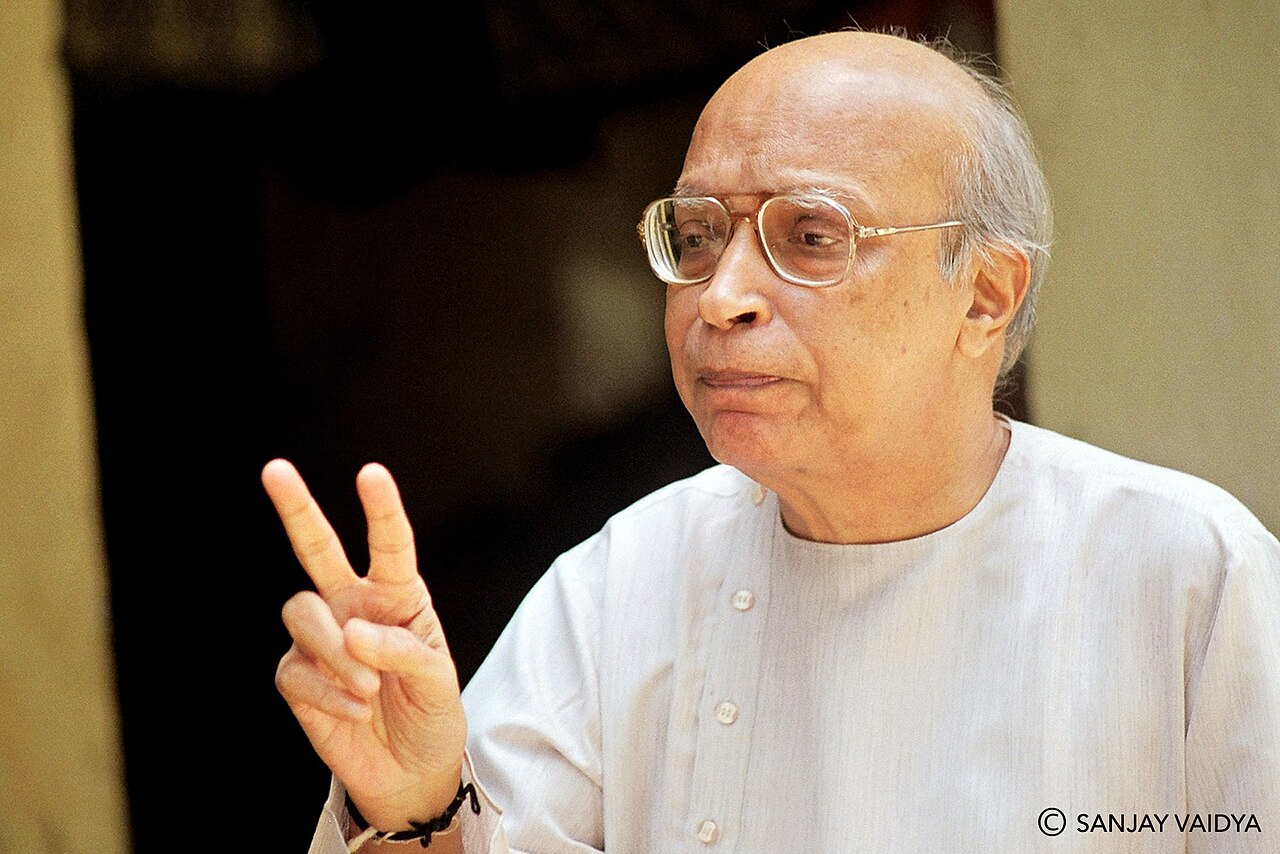
Literary work and style
Sharma's published output encompassed a wide range of genres. He wrote novels and short fiction that engaged with human experience and social change, composed poetry and lyrical pieces, and contributed essays and criticism that helped interpret and evaluate contemporary Gujarati literature. Critics and readers recognized him for a steady engagement with language and form; his work is often described as reflecting an attentive, humane sensibility toward ordinary lives and cultural transitions.
Journalism and institutional roles
Beyond creative writing, Sharma spent much of his career in journalism. He joined the editorial department of the daily Gujarat Mitra in 1955 and later edited a Gujarati daily for several years, shaping public conversation through both reporting and editorial commentary. He also held leadership positions in literary organizations: he served as a trustee of the Kavi Narmad Yugavart Trust, was vice-president of Narmad Sahityasabha in Surat, and was elected president of the Gujarati Sahitya Parishad for the 2009–2011 term.
Recognition and awards
Sharma received several prestigious honors over his lifetime. He was awarded the Ranjitram Suvarna Chandrak in 1984, one of the highest recognitions in Gujarati literature. In 1988 he won the Sahitya Akademi Award, a nationally significant literary honor in India that acknowledges outstanding work in the country’s recognized languages. These awards underline his standing in both regional and national literary circles.
Early life and literary beginnings
Sharma's earliest recorded composition dates to a moment of national mourning: his first poem was written on 31 January 1948 in response to the assassination of Mahatma Gandhi. That early engagement with public events foreshadowed a career in which personal voice and social awareness often met. He continued to develop his craft through the mid-20th century amid the evolving cultural and political life of Gujarat.
Legacy and notable facts
- Multi-genre author: novels, short stories, poetry, essays and criticism.
- Long career in journalism, including work at Gujarat Mitra and editorial leadership.
- Leadership in Gujarati literary organizations, including presidency of the Gujarati Sahitya Parishad.
- Recipient of the Ranjitram Suvarna Chandrak (1984) and the Sahitya Akademi Award (1988).
Sharma died on 5 September 2018 in Surat at the age of 84. Researchers and readers interested in modern Gujarati literature often encounter his work when tracing developments in post-independence regional writing and the role of writers who combined creative practice with cultural leadership. For more on the Gujarati language and literary context see Gujarati language overview, for contemporary history related to his early poem see the Mahatma Gandhi legacy, and for information connected to his later life and place of activity see Surat.
Related articles
Author
AlegsaOnline.com Bhagwatikumar Sharma: Gujarati author, journalist and literary figure Leandro Alegsa
URL: https://en.alegsaonline.com/art/11166
Sources
- gujaratisahityaparishad.com : "Bhagwatikumar Sharma"
- books.google.com : Encyclopaedia of Indian Literature: sasay to zorgot
- newsd.in : "Gujarati author, journalist, Bhagwatikumar Sharma passed away"