
1710 — overview, events and historical context
An encyclopedic summary of the year 1710 (MDCCX): political and military events, colonial changes, cultural and scientific context, and calendar/chronology notes.
Overview
The year 1710 (a common year written MDCCX) fell within the early 18th century, a period of dynastic wars, colonial competition and intellectual change. In the Gregorian reckoning it began on a Wednesday; contemporaries in many regions still used older calendar systems, so dates and recorded weekdays vary between sources.
Image gallery
10 Images


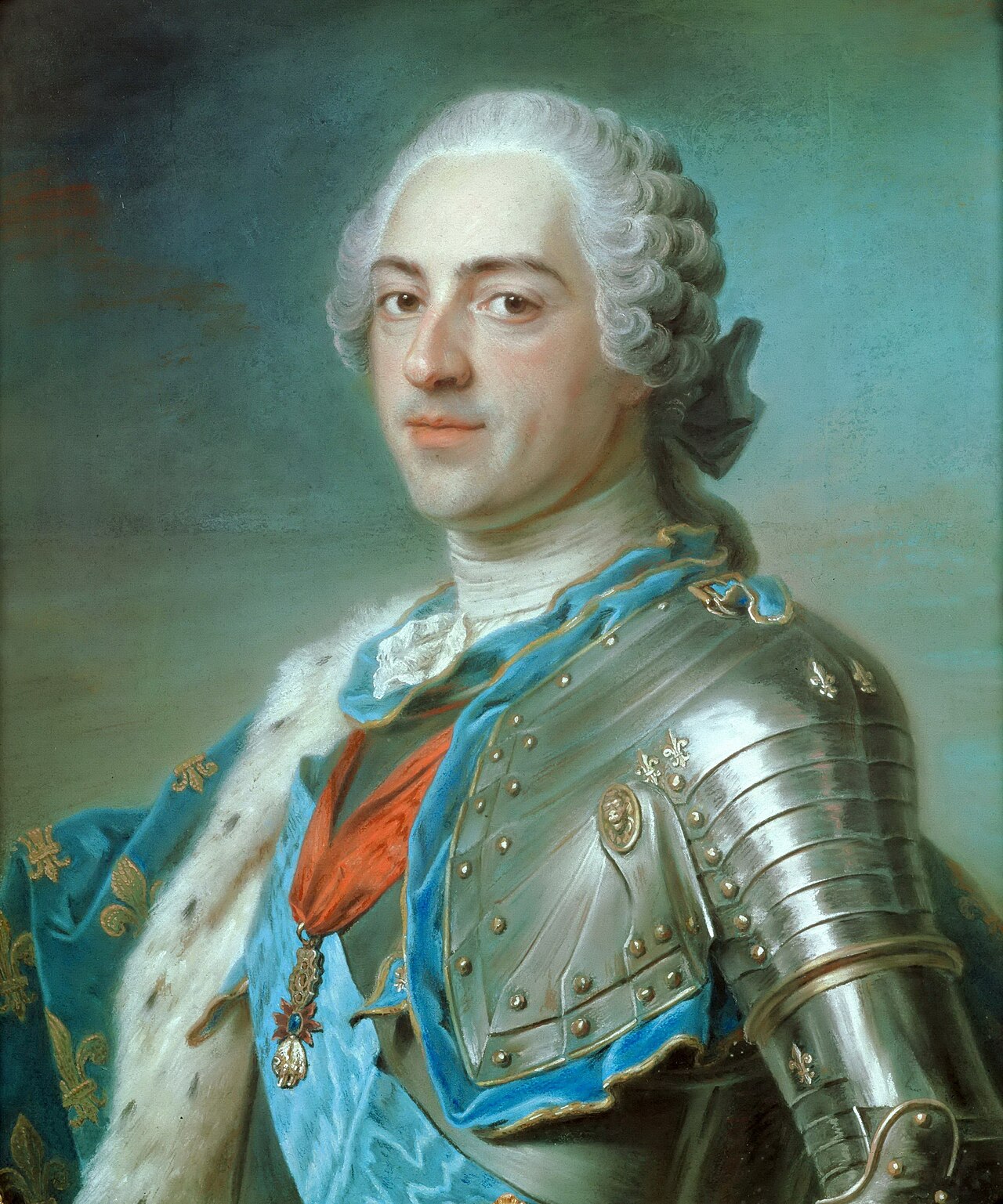



Politics and war
Europe remained dominated by large-scale conflict and shifting alliances. The War of the Spanish Succession (1701–1714) continued to shape campaigns across the Low Countries, Italy and Iberia, as rival Bourbon and Habsburg coalitions contested territory and influence. Northern and eastern Europe were affected by the Great Northern War and by political maneuvering among emerging states. Parliamentary and party struggles also marked domestic politics in states such as Britain, where 1710 saw a notable change in government direction.
Colonies, exploration and economy
Colonial competition in North America and the Caribbean intensified. In 1710 British forces captured Port Royal in Acadia (present-day Nova Scotia), a turning point that accelerated imperial reorganisation in eastern North America. Trade networks, mercantilist policy and the transatlantic economy continued to expand, underpinning demographic and commercial change.
Culture, science and society
The years around 1710 belonged to the early Enlightenment: learned societies, increased printing and the circulation of ideas influenced literature, philosophy and natural science. Scientific inquiry and artisanal innovation advanced alongside traditional crafts; coffeehouses and salons remained important forums for debate and news.
Notable facts and chronology
- Contemporary records may use Old Style (Julian) or New Style (Gregorian) dates; historians must check which calendar a source employs.
- The geopolitical outcomes of 1710 events contributed to later treaties and border settlements, including those formalised in the years after the War of the Spanish Succession.
- Administrative and electoral developments in several states this year affected party systems and colonial governance.
For calendrical reference and numeral notation see the Gregorian calendar entry Gregorian calendar and the Roman numeral form MDCCX. The year sits within longer processes of state formation, imperial expansion and cultural transformation that characterise the early 18th century.
Related articles
Author
AlegsaOnline.com 1710 — overview, events and historical context Leandro Alegsa
URL: https://en.alegsaonline.com/art/111653