
1717
Overview of the year 1717: political context, notable events, cultural milestones and prominent births and deaths in the early 18th century.
1717 was a year in the early 18th century situated in the aftermath of the War of the Spanish Succession and amid the wider upheavals of the Age of Enlightenment. Across Europe and its overseas empires, states were consolidating peace settlements, reconfiguring alliances and fostering cultural life that anticipated the intellectual shifts of the century.
Image gallery
5 Images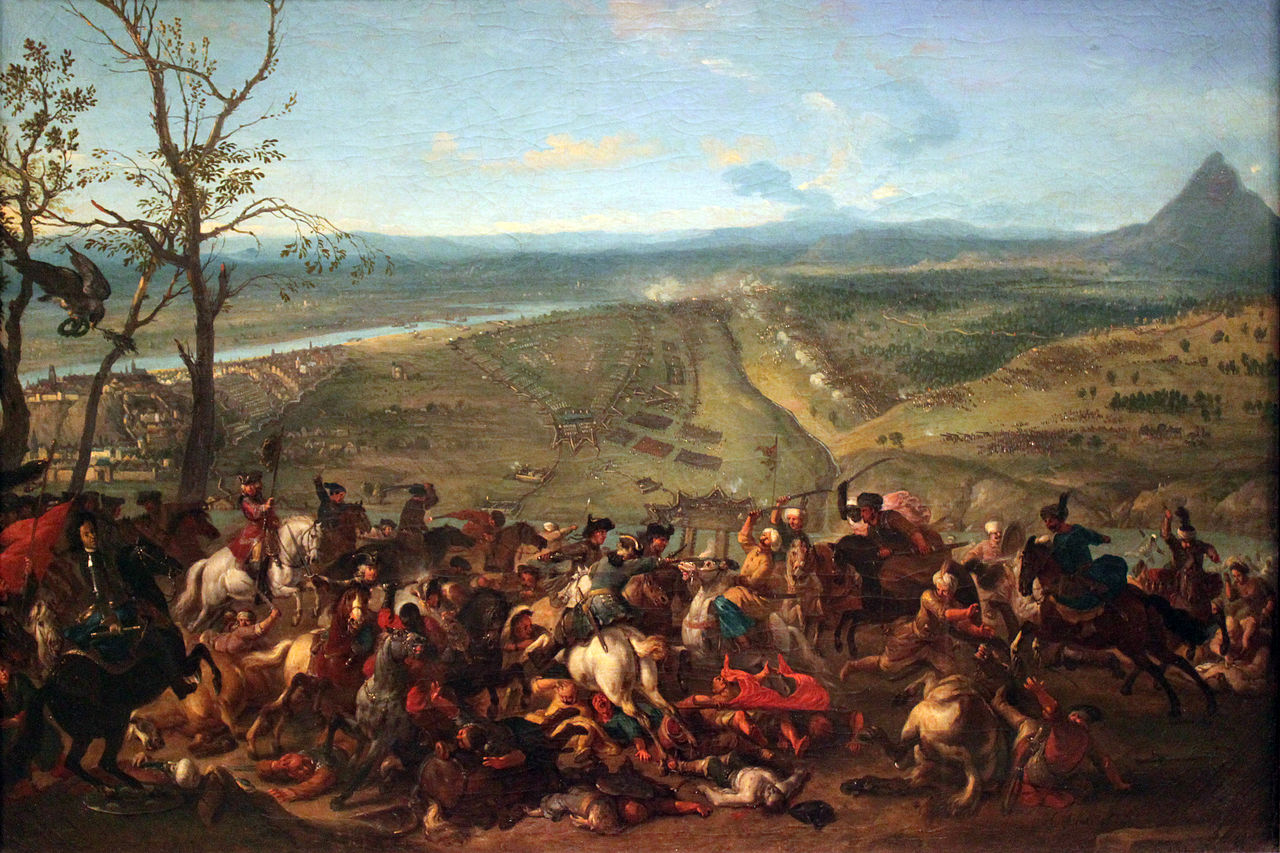


Notable events
Two events from 1717 are frequently cited in cultural and social histories. In London, a group of lodges met in June and established what became known as the Premier Grand Lodge of England, an event often treated as the formal beginning of organized Freemasonry. That same summer, composer George Frideric Handel presented the Water Music to King George I in a celebrated outdoor performance on the River Thames; the suite made a durable contribution to public ceremonial music.
Political and international context
The year fell within a period of reordering in Europe. Treaties concluded earlier in the decade had reshaped dynastic and territorial claims, and many courts focused on diplomatic balancing among the major powers—Britain, France, the Habsburg Monarchy and Spain—while northern and eastern Europe remained engaged in long-running conflicts such as the Great Northern War. Colonial competition overseas continued to affect trade, naval strategy and settlement.
Culture, science and society
1717 sits within a broader cultural flowering: public concerts, salons and the spread of print helped circulate literature, scientific ideas and political thought. The arts and music enjoyed patronage from monarchs and aristocrats as well as an expanding urban audience. Scientific inquiry and practical innovation progressed unevenly, with gradual improvements in navigation, astronomy and natural philosophy influencing commerce and exploration.
Notable births and deaths
- Birth of Maria Theresa (13 May 1717), who would become ruler of the Habsburg dominions and a major figure in mid-18th-century European politics.
- Birth of Jean le Rond d'Alembert (16 November 1717), an important French mathematician, philosopher and co-editor of the Encyclopédie.
Other births and deaths of the year are recorded in national biographical registers and reflect the era's generation of statesmen, clerics, artists and scholars whose careers shaped later decades.
Significance and distinctions
While not defined by a single transformative event, 1717 exemplifies the early-18th-century mixture of diplomatic realignment, cultural vibrancy and the gradual spread of Enlightenment ideas. The institutional founding of organized Freemasonry and public musical spectacles like Handel's Water Music are often singled out as emblematic milestones of the period's social and cultural change.
Questions and answers
Q: What is the significance of the year 1717?
A: There is not enough information in the text to answer this question.
Q: Is 1717 a historical event?
A: There is not enough information in the text to answer this question.
Q: Is there any specific context for mentioning 1717?
A: There is not enough information in the text to answer this question.
Q: Can you provide any further details about 1717?
A: There is not enough information in the text to answer this question.
Q: What is the source of this text?
A: There is not enough information in the text to answer this question.
Q: Is there any additional information you can provide about 1717?
A: There is not enough information in the text to answer this question.
Q: What is the author trying to convey by mentioning 1717?
A: There is not enough information in the text to answer this question.
Related articles
Author
AlegsaOnline.com 1717 Leandro Alegsa
URL: https://en.alegsaonline.com/art/111660
Sources
- freemasons-freemasonry.com : "The foundation of the first Grand Lodge in context"