
1718 (year)
Year 1718: key episodes of early 18th-century geopolitics, colonial expansion and maritime history, including the founding of New Orleans, the Peace of Požarevac, and the fatal end of Blackbeard.
1718 falls in the early Enlightenment and the decades after the War of the Spanish Succession. It was a year when European diplomacy and colonial competition continued to reshape borders and trade, while the Atlantic world saw vivid episodes of maritime violence and urban foundation.
Image gallery
7 Images


Politics and diplomacy
In Europe, 1718 witnessed continuing friction among great powers. The Peace of Požarevac (often called Passarowitz) concluded fighting between the Habsburg monarchy and the Ottoman Empire, confirming territorial changes in the Balkans and the Danube frontier. Elsewhere, renewed conflict with Spain led to the formation of the Quadruple Alliance (Britain, France, Austria and the Netherlands) and naval actions in the Mediterranean that would become part of the War of the Quadruple Alliance (1718–1720).
Colonies and settlements
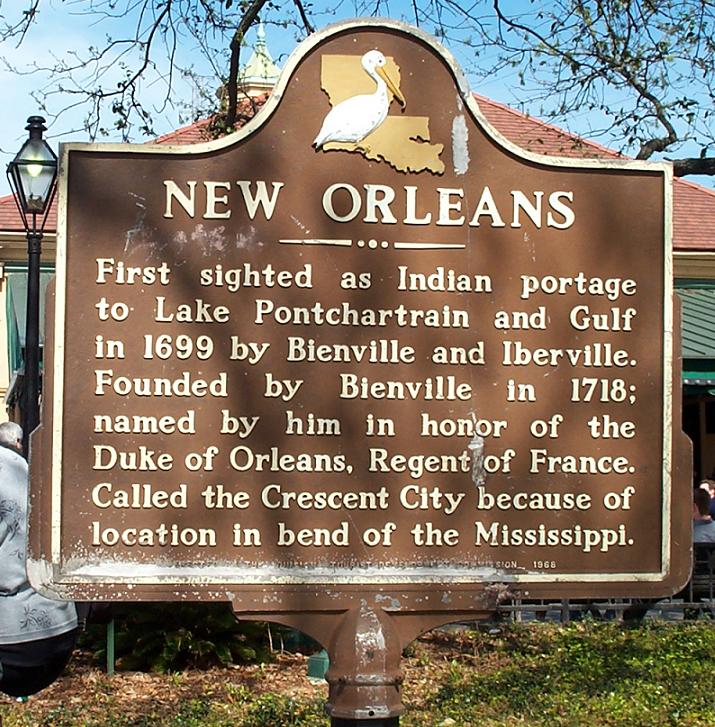
In North America, a major urban foundation occurred when the French established New Orleans in the lower Mississippi valley. Founded by Jean-Baptiste Le Moyne de Bienville in 1718, the settlement grew into a strategic port and cultural crossroads for French Louisiana, shaping the region's economy and demography for centuries.
Maritime history and piracy
The year is notable for the suppression of notorious Atlantic piracy. Edward "Blackbeard" Teach was killed in a battle with British naval forces off the North Carolina coast, and the so-called "Gentleman Pirate" Stede Bonnet was captured and soon afterwards executed. These events marked a turning point in colonial efforts to secure sea lanes and enforce law along Atlantic trade routes.
Notable events (selection)
- Peace of Požarevac (Passarowitz) ends the Austro–Ottoman conflict and reallocates territories in the Balkans.
- Naval clashes in the Mediterranean as Britain and other powers oppose Spanish ambitions, preluding wider war.
- Founding of New Orleans by French colonists on the Mississippi River.
- Death of the pirate Blackbeard and the capture/execution of Stede Bonnet, signaling a crackdown on piracy.
Although not a single turning point, 1718 illustrates continuing patterns of the age: diplomatic realignment after major wars, expansion and consolidation of colonial empires, and the growing importance of naval power and commercial security in global affairs.
Related articles
Author
AlegsaOnline.com 1718 (year) Leandro Alegsa
URL: https://en.alegsaonline.com/art/111661