
1709 (year)
1709 saw decisive battles in northern and western Europe, an exceptional winter that produced widespread hardship, and early industrial advances such as coke-smelted iron that presaged broader economic change.
Overview
The year 1709 sits within a period of prolonged continental warfare and social strain in early 18th-century Europe. Military campaigns in the Great Northern War and the War of the Spanish Succession continued to shape dynastic rivalry and territorial ambition. At the same time, extreme weather and nascent technological innovations combined to produce consequences for food supply, state finance and economic organization.
Image gallery
9 Images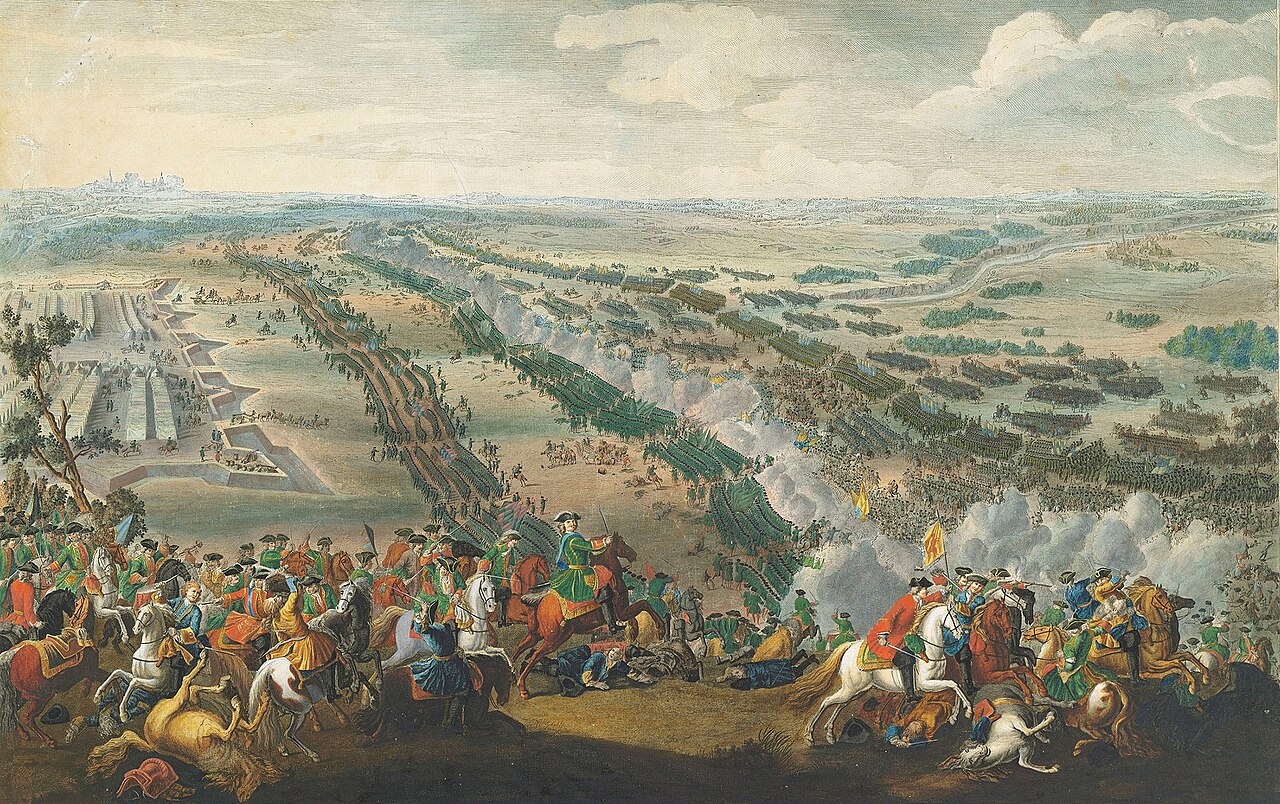




Major events
- Battle of Poltava: A decisive Russian victory that broke Swedish military dominance in eastern Europe and accelerated Russia's emergence as a major power under Peter the Great.
- Battle of Malplaquet: Fought in the War of the Spanish Succession, this encounter was tactically costly; Allied forces forced the French to withdraw but suffered very heavy casualties, influencing subsequent coalition strategy.
- The Great Frost (winter 1708–1709): One of the coldest winters in living memory for many parts of Europe, causing crop failures, transportation problems and shortages of fuel and food that intensified social distress.
Social and economic impact
The combination of war and a severe winter strained rural economies and urban provisioning systems. Poor harvests and interrupted trade raised food prices and led to localized famine and migration. Governments faced rising military costs and increased demand for relief, which affected taxation and public credit. In several regions, discontent over provisioning and conscription produced protests and heightened insecurity for authorities.
Science, industry and technology
1709 is often cited in industrial history for advances in ironworking. At Coalbrookdale in England, experiments in smelting iron with coke rather than charcoal produced more consistent results and helped reduce fuel constraints on production. These developments were not an immediate revolution but were important steps in a longer process that contributed to mechanization and greater industrial output later in the 18th century.
Legacy
The events of 1709 illustrate how military, environmental and technological forces can intersect. The outcomes of major battles altered the balance of power in northern and western Europe, while climatic hardship revealed vulnerabilities in food systems and state capacity. Early metallurgical innovations signalled technical possibilities that, in the decades to come, would underwrite significant economic and social transformation across Europe.
Related articles
Author
AlegsaOnline.com 1709 (year) Leandro Alegsa
URL: https://en.alegsaonline.com/art/111652