
1707 — year of union, naval disaster, and European warfare
1707 saw the Acts of Union create the Kingdom of Great Britain, a catastrophic Royal Navy wreck that focused attention on the longitude problem, and decisive campaigns in the War of the Spanish Succession.
1707 is a pivotal year in early 18th-century history, situated within the broader Age of Enlightenment and the era of dynastic and colonial rivalry. Political union, a high-profile naval catastrophe and sustained military campaigning combined to shape the trajectories of Britain and continental Europe.
Image gallery
10 Images


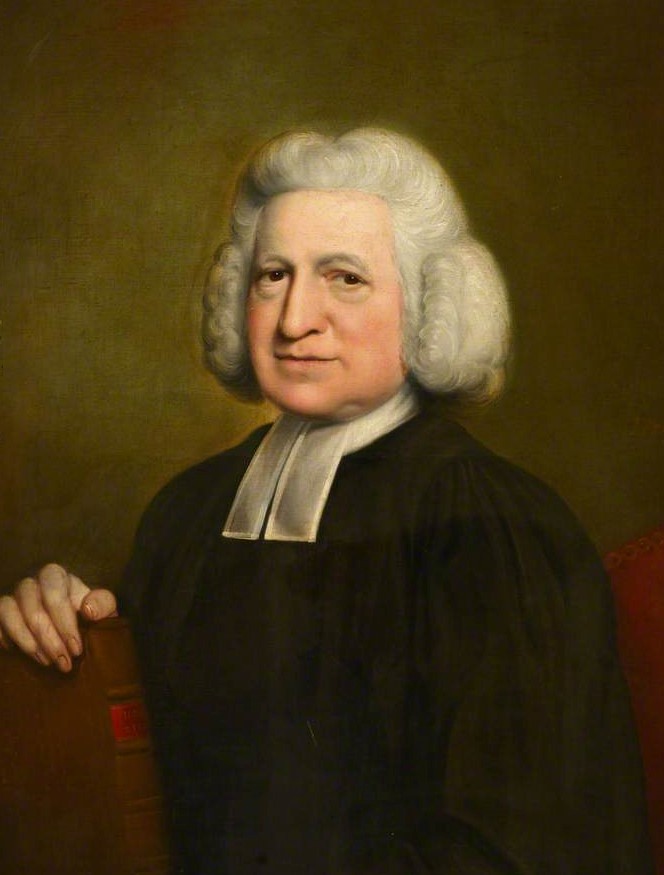
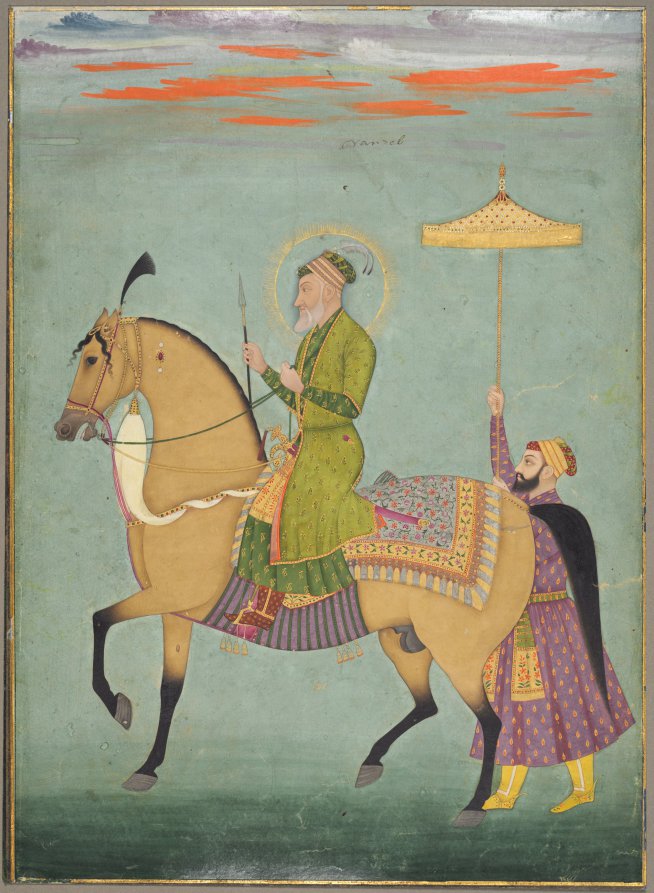
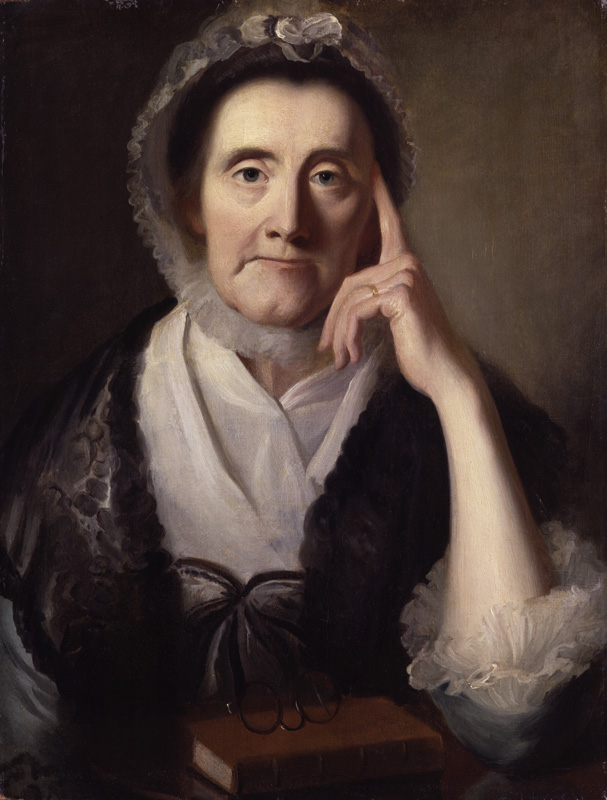


Union of England and Scotland
On 1 May 1707 the Acts of Union came into force, uniting the separate kingdoms of England (including Wales) and Scotland into the Kingdom of Great Britain. The union created a single parliament at Westminster while preserving distinct Scottish institutions in law and the established church. Scotland received representation in the new Parliament of Great Britain, and economic and political motivations — including the aftermath of failed colonial ventures and the desire for access to English markets and imperial trade — contributed to the agreement. The union was controversial in Scotland and provoked political debate and popular protest.
Naval disaster and the problem of longitude
In October 1707 a Royal Navy squadron under Admiral Sir Cloudesley Shovell was wrecked on rocks off the Isles of Scilly. Several ships were lost and the disaster cost many lives, drawing wide public attention to the hazards of coastal navigation. The episode highlighted the difficulty of determining longitude at sea and helped to spur later government and scientific efforts to find reliable methods of marine navigation, efforts that culminated in the 18th-century prize initiatives and the development of accurate marine chronometers.
Military actions and international context
1707 formed part of the long War of the Spanish Succession, with campaigning across Spain, Italy and other theatres as major powers contested dynastic succession and balance of power. A decisive action that year was the Battle of Almansa in Spain, which strengthened Bourbon control in large parts of the peninsula. Allied operations in the Mediterranean and attempts to seize key ports also shaped the strategic map. The year’s military events influenced later negotiations and territorial settlements among Europe's states.
Culture, science and consequences
Beyond immediate politics and warfare, 1707 sat amid expanding commercial networks, scientific exchange and intellectual change. The union altered imperial administration and trade policy for Britain; the naval tragedy accelerated technical and navigational research; and continued warfare stimulated diplomatic activity that would reshape European borders before mid-century. Political and social reactions to these developments also contributed to continuing tensions, including Jacobite opposition in Scotland and debates over national identity.
Notable themes and legacy
- State formation: the creation of Great Britain as a unit with long-term effects on empire, law and politics.
- Maritime safety and science: a high-profile wreck underlined the need for practical navigation solutions and encouraged scientific incentives.
- Warfare and diplomacy: 1707’s campaigns were part of wider conflicts that determined dynastic and territorial outcomes across Europe.
Taken together, the events of 1707 illustrate how political consolidation, technological challenge and sustained military competition intertwined at the start of the 18th century, setting directions followed in subsequent decades.
Related articles
Author
AlegsaOnline.com 1707 — year of union, naval disaster, and European warfare Leandro Alegsa
URL: https://en.alegsaonline.com/art/111649