
1705
Overview of the year 1705: calendar details, place in early 18th-century conflicts and culture, scientific and political context, and how its calendrical systems differed across Europe.
1705 (MDCCV) was a year in the early 18th century marked more by ongoing long-term conflicts and cultural developments than by a single defining event. It sits within an era often called the Age of Enlightenment, when science, commerce and overseas empires shaped political life across Europe and the Americas. The year is best understood as part of larger military struggles, intellectual currents and administrative changes that unfolded across the first decades of the 1700s.
Image gallery
10 Images



Calendars and dating
The way 1705 was recorded depended on which calendar a country used. In the widely used Gregorian civil calendar the year is numbered MDCCV and was a common year beginning on Thursday; see MDCCV and the Gregorian reckoning. Many Orthodox and rural areas still used the older Julian calendar, where the same year was treated as a common year starting on Monday; compare usages at Julian calendar. Because the Julian calendar lagged behind the Gregorian by eleven days at that period, contemporaries sometimes listed two different dates for the same event; background on the difference is available at Julian calendar (offset).
Sweden attempted an intermediate approach during the early 18th century and used a local variant often called the Swedish calendar. In 1705 that calendar produced a year beginning on Sunday and thus stood one day ahead of the Julian system but ten days behind the Gregorian; the Swedish transition and its quirks are discussed at Swedish calendar. For reference to the common modern labels see how years are described by weekday.
Historical context and major conflicts
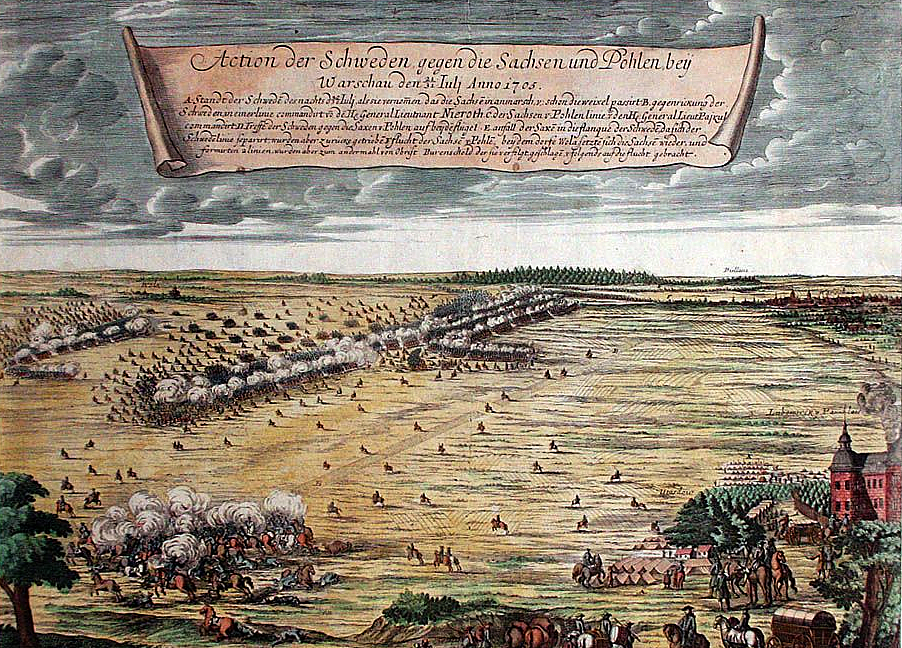
1705 fell squarely within two broad military and diplomatic contests that shaped much of early-18th-century geopolitics. In western and central Europe the War of the Spanish Succession (1701–1714) continued to involve multiple powers contesting dynastic claims and colonial influence. In northern and eastern Europe the Great Northern War (1700–1721) similarly rearranged power among Sweden, Russia and neighboring states. Overseas, North American colonies experienced frontier and imperial skirmishes related to these wider wars, often described in regional histories of the early 1700s.
Intellectual life, institutions and notable trends
The first decades of the 18th century saw accelerating activity in science, law, commerce and literature. Learned societies, publishing networks and expanding state bureaucracies encouraged dissemination of practical knowledge along with philosophical debate. Prominent natural philosophers and administrators were active in this period, and institutions such as national academies and royal courts played important roles in sponsoring research and the arts.
Uses, legacy and distinctions
- Calendrical legacy: the coexistence of Gregorian, Julian and intermediate systems like Sweden's illustrates how the same numbered year could be observed differently across regions.
- Military and diplomatic legacy: campaigns and alliances of the time set the stage for territorial and dynastic arrangements later in the 18th century.
- Cultural and scientific legacy: developments in printing, scholarship and transnational correspondence from years like 1705 helped shape Enlightenment-era networks.
Readers seeking primary-source chronologies or detailed lists of events for 1705 should consult specialized timelines and national histories. The year functions less as a single turning point than as part of a sequence of decades in which political, scientific and cultural transformations gradually unfolded across Europe and its overseas domains.
Questions and answers
Q: What year was 1705?
A: 1705 was the year in question.
Q: What type of year was 1705 based on the Gregorian calendar?
A: 1705 was a common year based on the Gregorian calendar.
Q: Was the year 1705 the same on all calendars?
A: No, it was a common year starting on different days depending on the calendar being used.
Q: Which calendar was behind by 11 days?
A: The Julian calendar was behind by 11 days.
Q: Was the Swedish calendar ahead of the Julian or the Gregorian calendar?
A: The Swedish calendar was one day ahead of the Julian calendar and ten days behind the Gregorian calendar.
Q: What day did the year 1705 start on in Sweden?
A: In Sweden, the year 1705 began on a Sunday.
Q: How many days apart were the Swedish and Gregorian calendars in 1705?
A: The Swedish calendar and Gregorian calendar were 10 days apart in 1705.
Related articles
Author
AlegsaOnline.com 1705 Leandro Alegsa
URL: https://en.alegsaonline.com/art/111647