
1694
A year marked by the founding of the Bank of England, the birth of Voltaire, the death of Mary II of England, ongoing Nine Years' War, and severe harvest failures in parts of Europe.
Overview
The year 1694 fell within the late 17th century and was shaped by international conflict, financial innovation and social strain. Europe remained engaged in the Nine Years' War (1688–1697), while economic and climatic pressures produced hardship in several regions. The year is remembered for institutional developments that contributed to modern finance and for births and deaths of figures who influenced Enlightenment thought and politics.
Image gallery
10 Images



Politics and war
Armed struggle between France and a coalition of European powers continued to determine diplomatic priorities and military expenditures. The conflict, often called the Nine Years' War or War of the Grand Alliance, dominated state finance and foreign policy for the principal courts of Western Europe. Military needs spurred innovations in government borrowing and public finance.
Economy and society
In response to the demands of prolonged warfare, English financiers and the crown established new institutions for mobilizing capital. In 1694 the Bank of England was created by royal charter to manage government debt and provide loans—an important step in the development of modern central banking and the national debt system. Elsewhere, poor harvests and cold weather in the early 1690s culminated in acute food shortages in parts of France and other regions, often grouped under the wider "famine of the 1690s," which increased mortality and social distress.
Culture and intellectual life
The intellectual currents that later defined the Enlightenment were taking shape. Literary, philosophical and scientific exchanges accelerated across borders, and institutions such as learned societies continued to foster inquiry. The birth of certain figures in 1694 would contribute to this cultural shift in the following decades.
Notable people
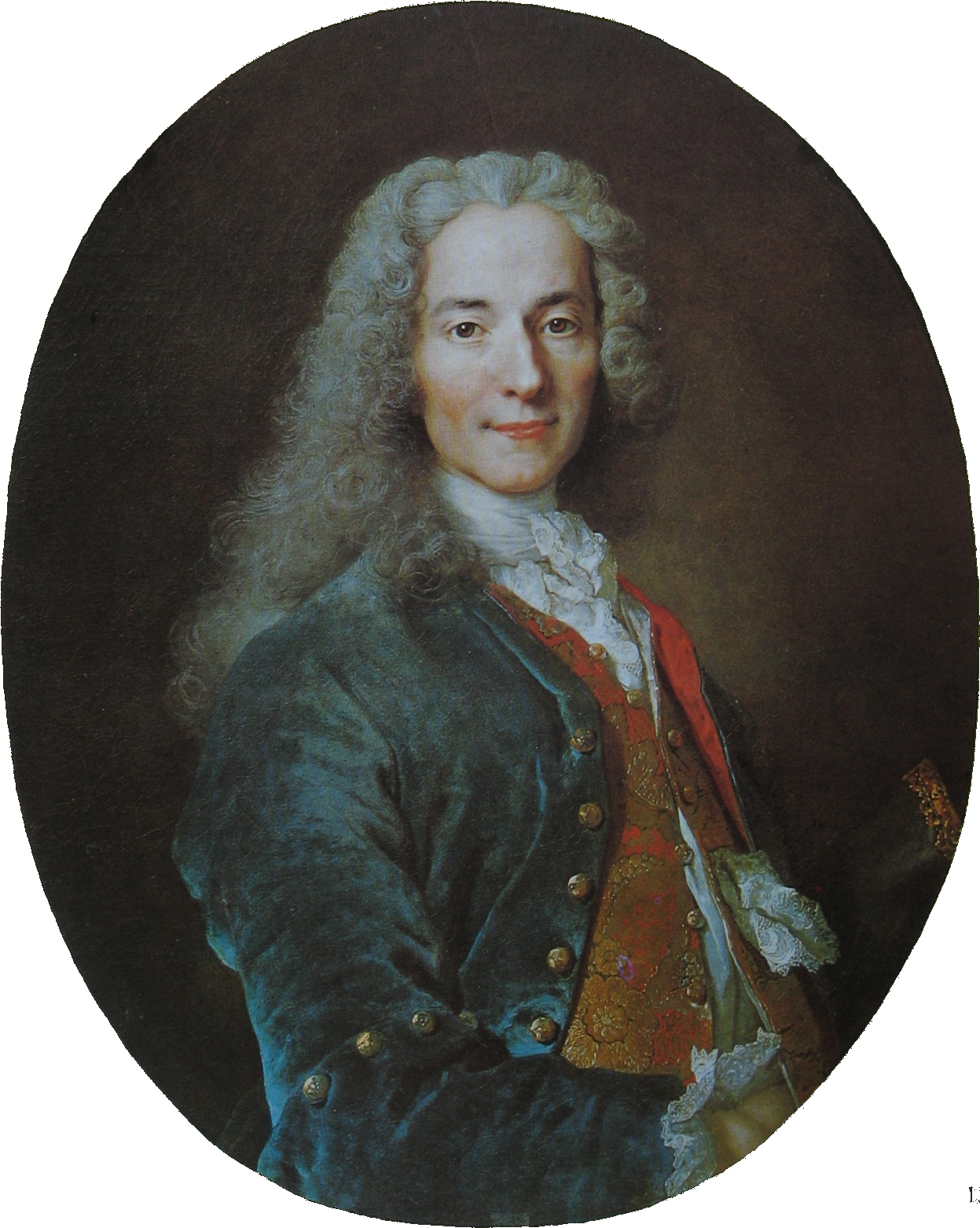
- Births: François‑Marie Arouet (Voltaire), born 21 November 1694, French writer and philosopher who became a leading figure of the Enlightenment.
- Deaths: Mary II of England, who died 28 December 1694; her death left William III to govern without his co-monarch.
Significance and legacy
The events of 1694 illustrate the interplay of war, finance and society at the end of the 17th century. The founding of the Bank of England marked a lasting institutional innovation for fiscal management. The social stresses of poor harvests underscored the vulnerability of pre-industrial societies to climatic and agricultural shocks. Meanwhile, births and cultural developments hinted at intellectual transformations that would become more visible in the 18th century.
Related articles
Author
AlegsaOnline.com 1694 Leandro Alegsa
URL: https://en.alegsaonline.com/art/111632