
1698 (year)
Overview of the year 1698: major political events, colonial ventures, scientific and technological milestones, and cultural context in late 17th-century Europe and beyond.
Overview
1698 was a year in the closing decades of the 17th century marked by continuing shifts in European power, early industrial innovation, and ambitious colonial projects. It falls in the period often described as the late Scientific Revolution and the formative years of the modern state system after the wars of the 1690s.
Image gallery
10 Images




Notable political and diplomatic events
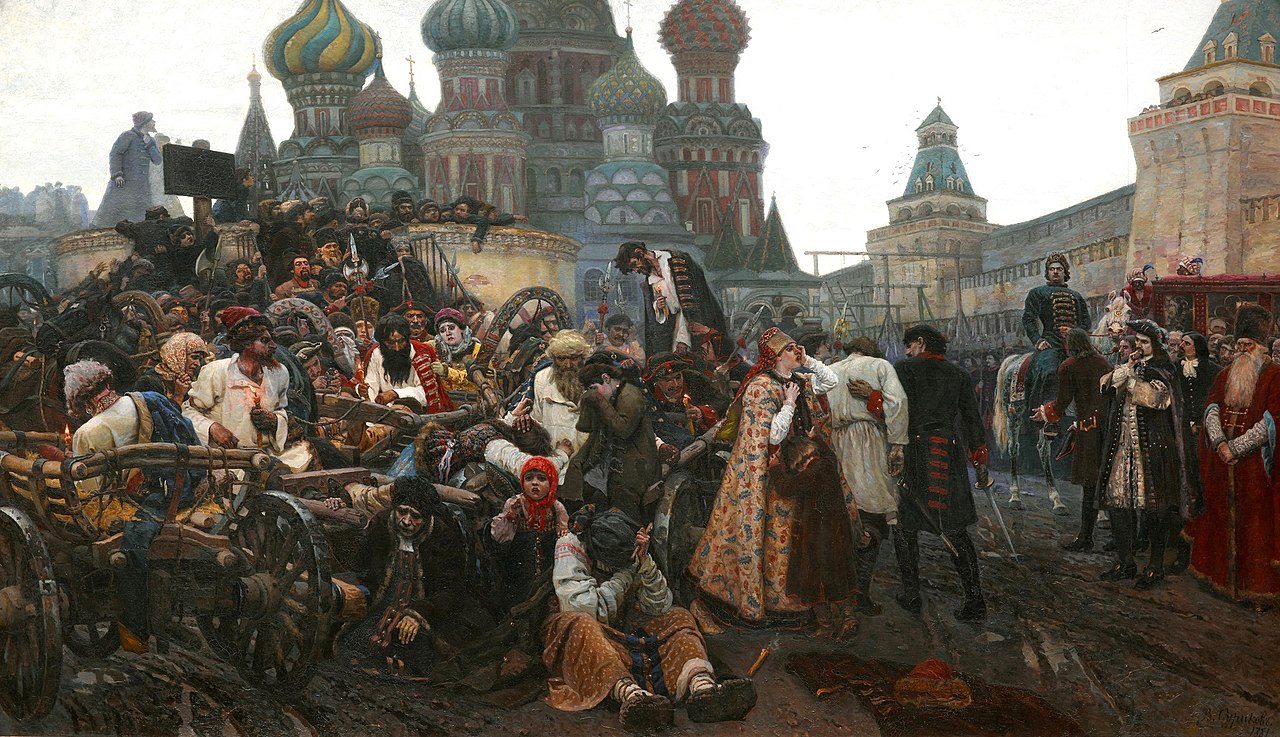
Across Europe and Russia, rulers consolidated authority and pursued reforms. In Russia, Peter the Great completed his Grand Embassy to Western Europe in 1697–1698 and, on his return, moved to suppress internal opposition to his modernization drive; the aftermath included reprisals against the Streltsy, the traditional military corps, which had revolted. In Britain and the Continent, the diplomatic realignments that followed the Nine Years' War continued to shape commerce and colonial competition.
Colonial ventures and commerce
Colonial expansion and commercial reorganization were prominent. Scottish investors launched the ill-fated Darien expedition in 1698, an ambitious attempt to establish a trading colony on the Isthmus of Panama that would have far-reaching economic consequences for Scotland. In England, Parliament took steps that reduced the monopoly of chartered companies in African trade, opening wider opportunities for private merchants and altering the structure of Atlantic commerce.
Science, technology and infrastructure
1698 saw important early steps toward mechanization. Thomas Savery secured a patent for a steam-powered pumping device intended to drain mines — an early practical application of steam power that foreshadowed later developments in steam engineering. Maritime safety and navigation also advanced: efforts to mark dangerous shoals and build offshore lights were underway, including the early construction of the Eddystone lighthouse off the English coast.
Culture and wider significance
Culturally, 1698 belongs to a transitional era in which scientific inquiry, commercial capitalism and centralized state power interacted. The year's events illustrate growing global interconnectedness: European politics affected colonial enterprises, new technologies promised to reshape industry, and state reforms in places such as Russia signaled long-term changes in governance and society.
Notable points and context
- Calendar note: many countries still used the Julian calendar; dates may vary between sources until later calendar reforms.
- The Darien project and changes to trade monopolies had lasting economic and political consequences in Britain and Scotland.
- Early steam technology patents like Savery's are often cited as precursors to the Industrial Revolution.
Related articles
Author
AlegsaOnline.com 1698 (year) Leandro Alegsa
URL: https://en.alegsaonline.com/art/111636