
1697 — a pivotal year in late 17th-century Europe
Overview of the year 1697, including major diplomatic, military, and political events, cultural context, and its role in shaping early 18th-century Europe.
1697 was a consequential year in the closing decades of the 17th century. It saw the end of a major pan‑European conflict, decisive battles on the Ottoman front, dynastic changes in northern Europe, and diplomatic and cultural encounters that helped shape the political map and modernization efforts of the coming century.
Image gallery
10 Images


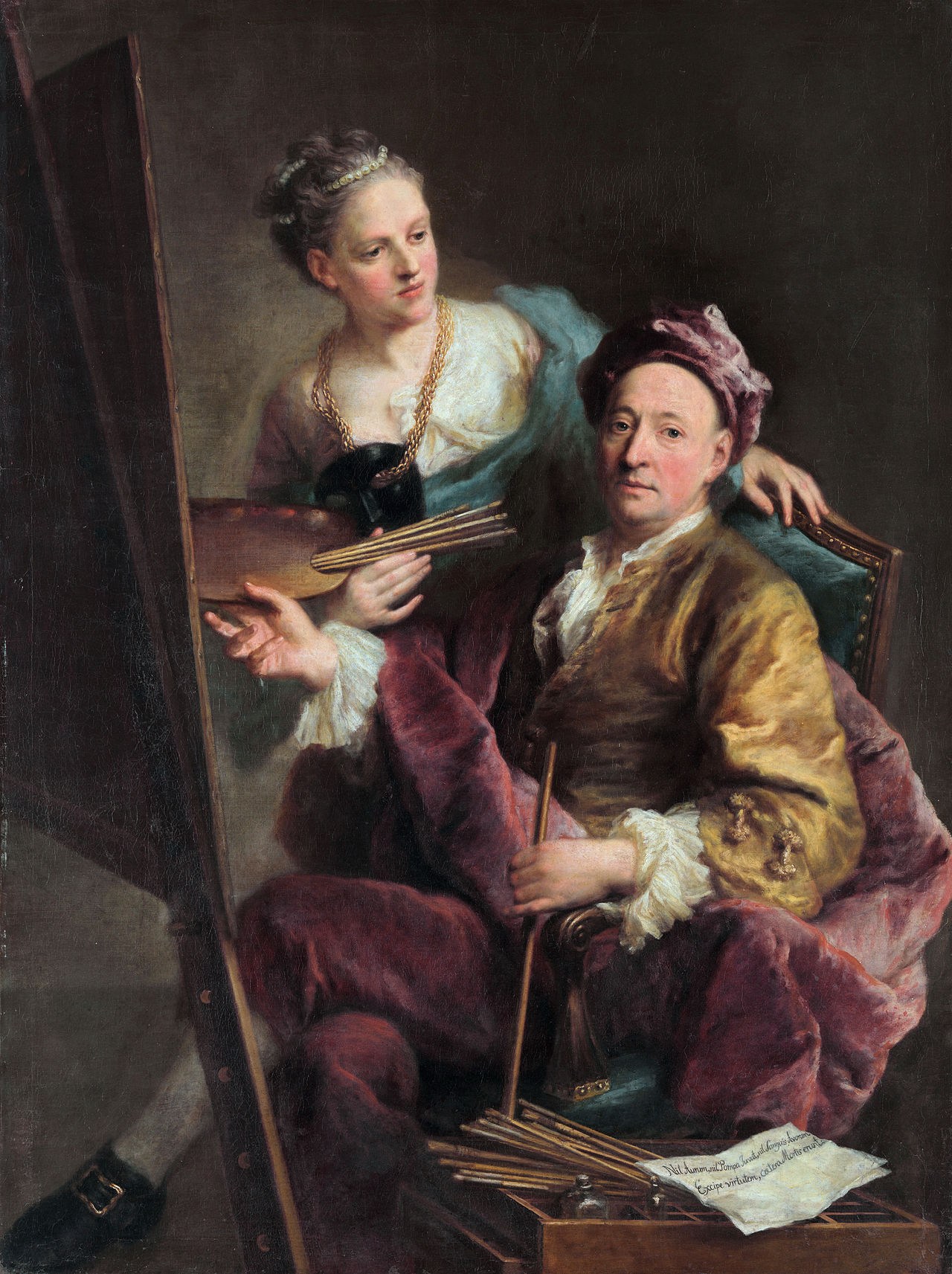


Major events and diplomatic outcomes
The principal diplomatic event of 1697 was the conclusion of the long Nine Years' War between France and a coalition of European powers. The resulting peace restored many prewar borders and acknowledged rival claims, producing a fragile balance of power. In southeastern Europe, a major Habsburg victory over Ottoman forces consolidated Christian frontiers and weakened Ottoman influence in the region, setting the stage for further negotiations in subsequent years.
Political changes and statecraft
In northern Europe, dynastic succession produced rapid changes at the thrones of Scandinavian kingdoms, influencing regional alliances and military priorities. The year also witnessed intensified state activities in finance, administration and naval affairs as monarchs and governments sought to recover from prolonged warfare. These administrative adjustments anticipated the more systematic state building of the eighteenth century.
Peter the Great and cultural exchange
During 1697 a notable episode of cultural and technological exchange took place when a Russian ruler and his entourage traveled through Western Europe to study shipbuilding, military organization and crafts. This journey exposed Russia to Dutch, English and other Western practices, contributing to later reforms and the modernization of the Russian navy and bureaucracy.
Cultural and intellectual context
The arts and learned culture of the time remained dominated by the Baroque style, while scientific inquiry and practical technologies continued to advance in workshops, universities and courts. The social and intellectual currents of the late seventeenth century — including growing interest in commerce, navigation and empirical study — provided a backdrop for political and military developments.
Why 1697 matters
- It marked the end of a major European war and a temporary realignment of great‑power relations.
- Victories against the Ottoman Empire shifted influence in southeastern Europe and foreshadowed further territorial settlements.
- Cross‑cultural encounters and state reforms initiated or accelerated processes of modernization, notably in Russia.
Viewed together, the military, diplomatic and cultural events of 1697 represent a moment when seventeenth‑century conflicts and transformations moved into new configurations that shaped the politics and societies of the early eighteenth century.
Related articles
Author
AlegsaOnline.com 1697 — a pivotal year in late 17th-century Europe Leandro Alegsa
URL: https://en.alegsaonline.com/art/111635