
1692
1692 was a leap year in the Gregorian calendar marked by major military, social, and natural events such as the Battle of La Hogue, the Salem witch trials, the Glencoe Massacre, and the Port Royal earthquake.
Overview
The year 1692 was a leap year in the Gregorian system and falls in the late 17th century, a period shaped by dynastic struggle, colonial expansion and the early Scientific Revolution. Across Europe and the Atlantic world, warfare, political realignment and religious tensions produced events that have retained historical significance.
Image gallery
10 Images




Calendar and dating
In the proleptic Gregorian calendar 1692 is a leap year and, by that reckoning, began on a Tuesday. Contemporary usage varied: several countries had not yet adopted the Gregorian calendar and continued to employ the Julian calendar or different conventions for the start of the civil year, so dates recorded in period sources sometimes disagree.
Major events
Notable occurrences of 1692 include military engagements of the Nine Years' War, violent political reprisals, and catastrophic natural disasters. Several episodes are frequently cited in historical summaries:
- The naval Battle of La Hogue (part of the wider conflict between France and the Grand Alliance) established temporary control of seas around the English Channel.
- The Glencoe Massacre in Scotland involved government soldiers killing members of the MacDonald clan after they were judged late in swearing allegiance to the new regime; it left a lasting imprint on Scottish memory.
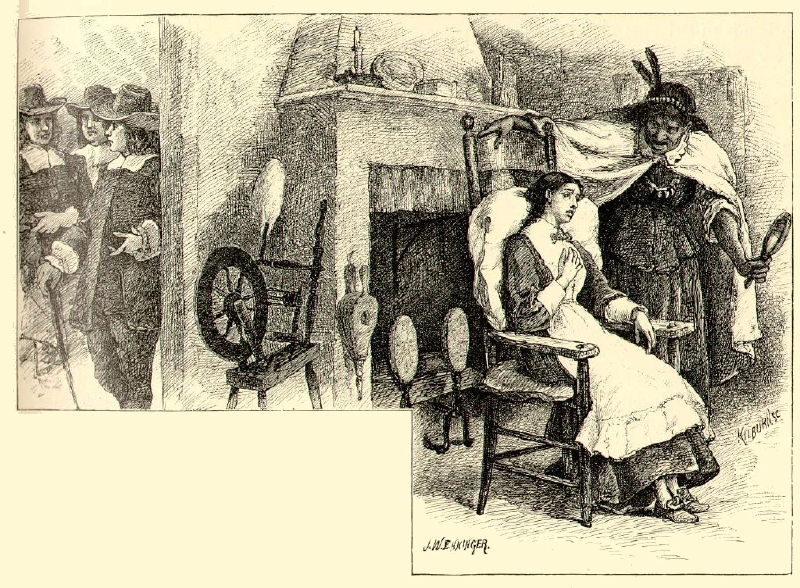
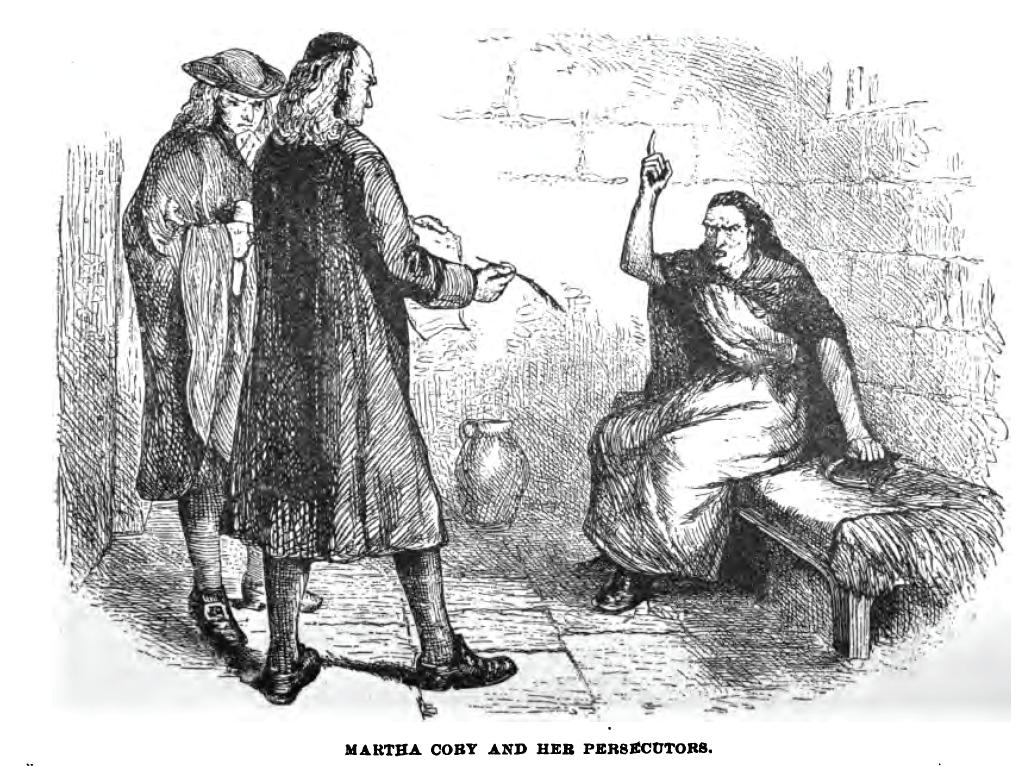
- In colonial North America, the Salem witch trials in Massachusetts led to prosecutions and executions for alleged witchcraft, later remembered as an episode of moral panic and miscarriage of justice.
- The Port Royal earthquake devastated much of the Jamaican town of Port Royal, a major Caribbean port, with widespread destruction and long-term economic effects for the colony.
Context and significance
1692 sits within a decade dominated by the Nine Years' War (1688–1697), competition among European powers for trade and colonies, and cultural shifts driven by increasing exchange of scientific ideas. Events that year illuminate the intersections of state-building, religion and colonial life: military clashes shaped borders and sea power, while social crises exposed tensions within communities and legal systems.
Aftermath
Many incidents from 1692 influenced later reforms and historical memory. The Salem trials prompted changes in evidentiary standards and eventually public remorse; the Glencoe killings contributed to debates about royal authority in Scotland; and the Port Royal disaster altered Caribbean commercial patterns. Together, these events make 1692 notable beyond its calendrical label.
Questions and answers
Q: What year was 1692?
A: 1692 was a year that occurred in history.
Q: Was 1692 a leap year?
A: Yes, 1692 was a leap year.
Q: Which week day did 1692 start on?
A: 1692 started on a Tuesday.
Q: What calendar was used in 1692?
A: The Gregorian calendar was used in 1692.
Q: Did the leap year affect the number of days in a year?
A: Yes, the leap year added an extra day to the calendar year.
Q: Was there any special significance to the year 1692?
A: There were notable events that occurred in 1692, such as the Salem witch trials in Massachusetts.
Q: Was 1692 part of the seventeenth century?
A: Yes, 1692 falls within the timeframe of the seventeenth century.
Related articles
Author
AlegsaOnline.com 1692 Leandro Alegsa
URL: https://en.alegsaonline.com/art/111630