
1671
Events of the year 1671: Caribbean privateering and the sack of Panama, the suppression of a major Russian uprising, and broader political, cultural and scientific trends in the late 17th century.
1671 was a year shaped by colonial expansion, armed privateering, and political consolidation across Eurasia and the Americas. It fell within the wider era of absolutist monarchies and competing overseas empires: states such as France under Louis XIV and England under Charles II pursued centralised power and commercial growth while private adventurers and colonial settlers continued to reshape distant regions.
Image gallery
5 Images


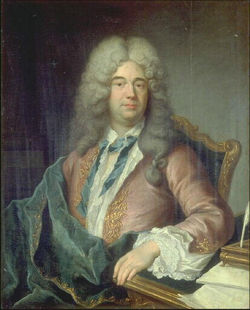
Major events
- Caribbean and the Americas: In January, English privateers led a devastating expedition against Spanish possessions on the Spanish Main, culminating in the capture and heavy sacking of Panama City. The raid exposed tensions between imperial policy and the independent actions of colonial corsairs, and it provoked diplomatic protests between Spain and England.
- Russia: A large popular and Cossack uprising that had disrupted the Tsardom reached its end when its leader was captured and executed, marking the suppression of one of the most serious internal revolts of the period and reinforcing central authority under the Romanovs.
- Commerce and colonial competition: European maritime powers and chartered companies continued to expand trading networks across the Atlantic, Indian Ocean and Pacific; competition over trade routes, coastal forts and plantations intensified commercial rivalries.
Across Asia and Africa, established states worked to consolidate control in the face of local resistance. The Qing court in China pursued policies to secure former Ming territories, while the Ottoman Empire maintained its role as a major Eurasian power. Long-distance trade networks—including the transatlantic trade in goods and enslaved people—remained central to European economic expansion and rivalry.
Science, culture and society
The late 17th century continued to see lively activity in natural philosophy and the exchange of scientific ideas. Learned societies, correspondence networks and practical experimentation spread new instruments and observations. In the arts, the Baroque style dominated painting, architecture and music in much of Europe; new reading publics, newspapers and coffeehouses fostered broader cultural exchange. Colonial encounters influenced material culture, producing new botanical, botanical and commercial knowledge flows between continents.
Notable births and deaths
- Deaths: The execution of the captured rebel leader in Russia brought a major revolt to an end and had lasting effects on governance and the treatment of frontier unrest.
- Births: A range of intellectuals, administrators and colonial figures who would shape late 17th- and early 18th-century affairs were born around this time; many reflected the growing professionalisation of scientific, legal and commercial life.
Significance: 1671 illustrates how local violence and exploration—whether in Caribbean ports, steppe regions, or colonial frontiers—could produce diplomatic crises and internal reform. The year sits within a transitional era in which state centralisation, expanding global trade, scientific inquiry and artistic change combined to reshape political and cultural landscapes across continents.
Related articles
Author
AlegsaOnline.com 1671 Leandro Alegsa
URL: https://en.alegsaonline.com/art/111607