
1584
Year 1584: a leap year in the late Renaissance marked by William of Orange's assassination, Russian succession, European religious alliances, Roanoke exploration, and battles in Japan.
1584 was a leap year in the late 16th century, set against the backdrop of the Renaissance, the Age of Exploration and intense religious and dynastic conflict across Eurasia. The year is remembered for dramatic political murders, strategic treaties, colonial reconnaissance in North America, and military clashes that shaped regional power balances.
Image gallery
8 Images


Major political events
One of the most consequential events of 1584 was the assassination of William I of Orange (William the Silent) on July 10 by Balthasar Gérard. William had been a central leader of the Dutch revolt against Spanish rule; his death removed a prominent unifying figure from the Dutch struggle for independence. In France and the Spanish sphere, the Treaty of Joinville was agreed in 1584 between Philip II of Spain and leaders of the Catholic League, binding them in opposition to Protestant influence and complicating the French Wars of Religion.
Succession and state change
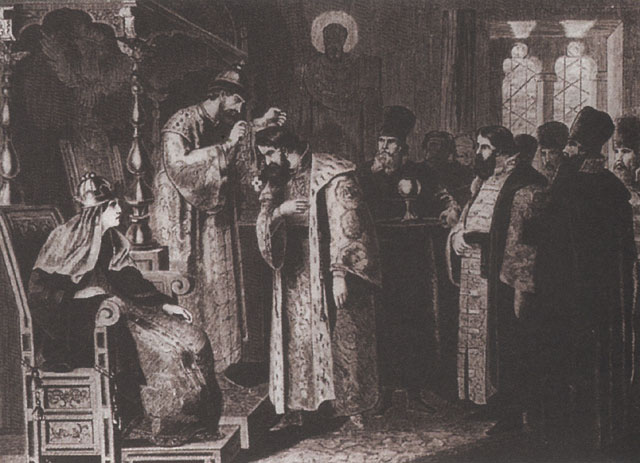
In Russia, the death of Ivan IV (Ivan the Terrible) in 1584 led to the accession of his son Feodor I. Ivan's death marked the end of an era of strong centralized rule and foreshadowed political instability in the Russian state that would become more acute in the following decades.
Exploration and colonization
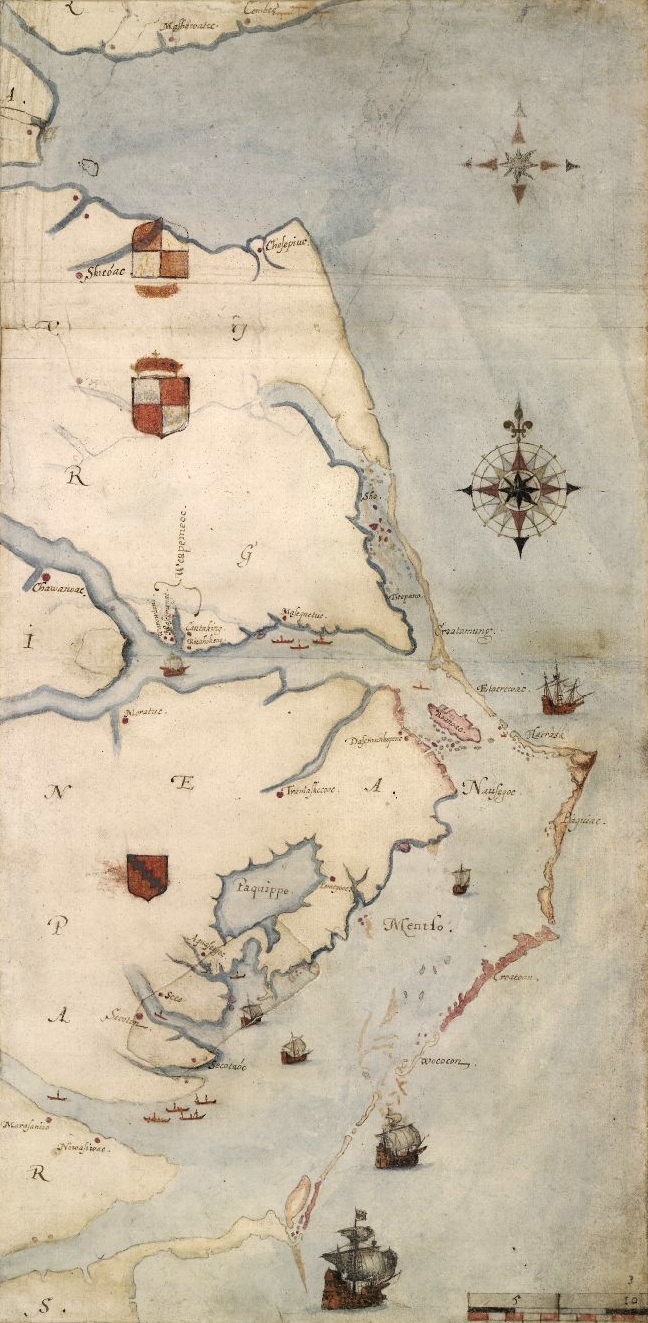
North American exploration continued: an English expedition sponsored by Sir Walter Raleigh made landfall on the Roanoke coast in 1584. Scouts reported on potential sites for English settlement, setting the stage for later attempts at colonization. These early voyages contributed to European interest in establishing footholds on the Atlantic seaboard.
Asia and military conflict
In Japan the year saw resumed military activity as powerful daimyo maneuvered for supremacy. The campaigns around Komaki and Nagakute involved forces loyal to Toyotomi Hideyoshi and those allied with Tokugawa Ieyasu; such clashes were part of the final phase of the Sengoku (Warring States) period that eventually led to national unification.
Culture, science and notable figures
Intellectual and artistic life continued across Europe under the influence of Renaissance humanism. Printing and the spread of ideas remained important even as religious and political struggles dominated headlines. Notable deaths in 1584 included William of Orange and Ivan IV; the year also saw births of figures who would be active in the early 17th century, although many of the most influential scientists and philosophers of that later period were born in subsequent decades.
Why 1584 matters
- Assassination of William of Orange altered leadership in the Dutch Revolt and intensified the struggle for independence.
- Treaty alignments like the Treaty of Joinville reinforced confessional divisions in Europe.
- Exploratory voyages such as the Roanoke expedition signaled growing English colonial ambitions.
- Events in Russia and Japan indicated transitions that would reshape those regions in the coming years.
Related articles
Author
AlegsaOnline.com 1584 Leandro Alegsa
URL: https://en.alegsaonline.com/art/111512