
1412 (year)
Overview of the year 1412 (MCDXII): its calendar placement, historical setting in late medieval Europe, notable births such as Joan of Arc, and the broader political and cultural context.
Overview
The year 1412 (written in Roman numerals as MCDXII) was a leap year of the Julian era. Contemporary reckoning places it as a leap year beginning on a Friday according to surviving reconstructions of the period calendar; a modern electronic reproduction of that sequence is often shown as a full calendar. The year belongs to the late medieval period, before the advent of movable-type printing and during long-running military, dynastic and social conflicts across Europe and beyond.
Image gallery
1 Image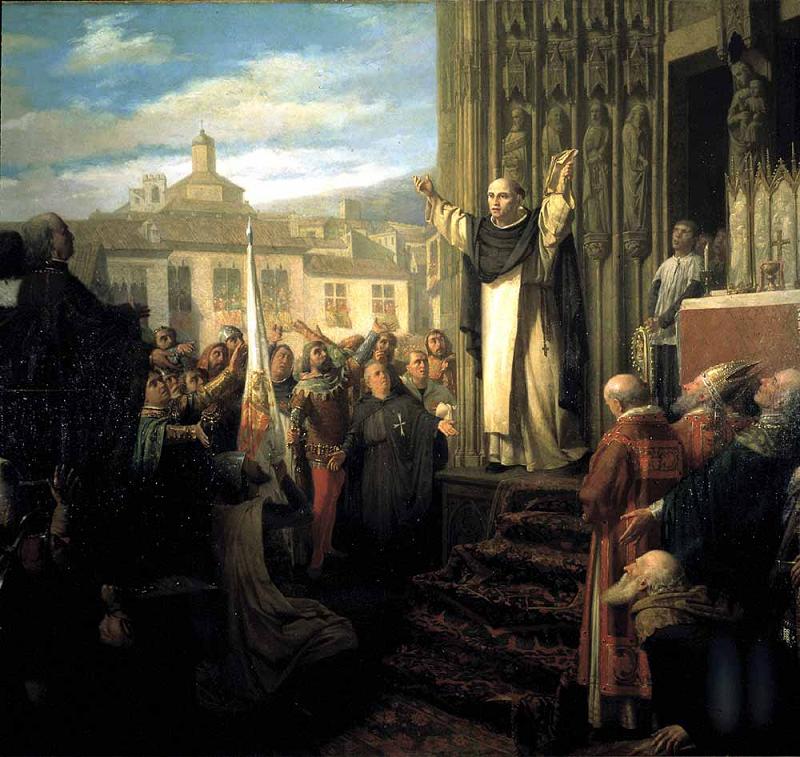
Calendar and chronology
Under the Julian calendar system then in use, leap years occurred every fourth year and helped align the civil year with the seasons. Chronological notation in contemporary records mixed regnal years, religious feasts and local systems; modern historians translate these into the proleptic Gregorian chronology when necessary.
Political and social context
1412 fell in a period marked by the Hundred Years' War between England and France, factional struggles within France (notably between Armagnac and Burgundian interests), and continuing dynastic maneuvering in other European courts. Outside Europe, the fifteenth century saw powerful states and empires active in Asia and Africa, though their specific actions in any single year vary by region.
Notable people and cultural notes
- Joan of Arc is traditionally said to have been born in 1412 at Domrémy; later biographical sources place her origins in this year, which has shaped her association with the era.
- The year predates major technological changes such as Johannes Gutenberg's press; manuscript culture, oral tradition and patronage of artisans remained central to communications and art.
Significance
1412 is chiefly remembered through its place in larger historical processes rather than for a single global watershed event. It sits within a transitional span of medieval politics, religious life, and cultural practice whose consequences become clearer in subsequent decades.
Related articles
Author
AlegsaOnline.com 1412 (year) Leandro Alegsa
URL: https://en.alegsaonline.com/art/111330