
1399 — Year of political upheaval and shifting power
Overview of 1399: Richard II's deposition and Henry IV's accession in England, the Battle of the Vorskla River, Timur's campaigns, and wider late‑medieval political and cultural shifts across Eurasia.
Overview
1399 was a pivotal year at the close of the 14th century, notable for rapid political change in Western Europe and decisive military events farther east. The period falls within the late medieval era, shaped by dynastic rivalry, the long aftermath of the Black Death, and ongoing conflicts such as the Hundred Years' War. Local dynastic disputes and large military campaigns interacted with shifting alliances and the influence of steppe powers, producing outcomes that affected the following centuries.
Image gallery
4 Images
England: deposition and dynastic change
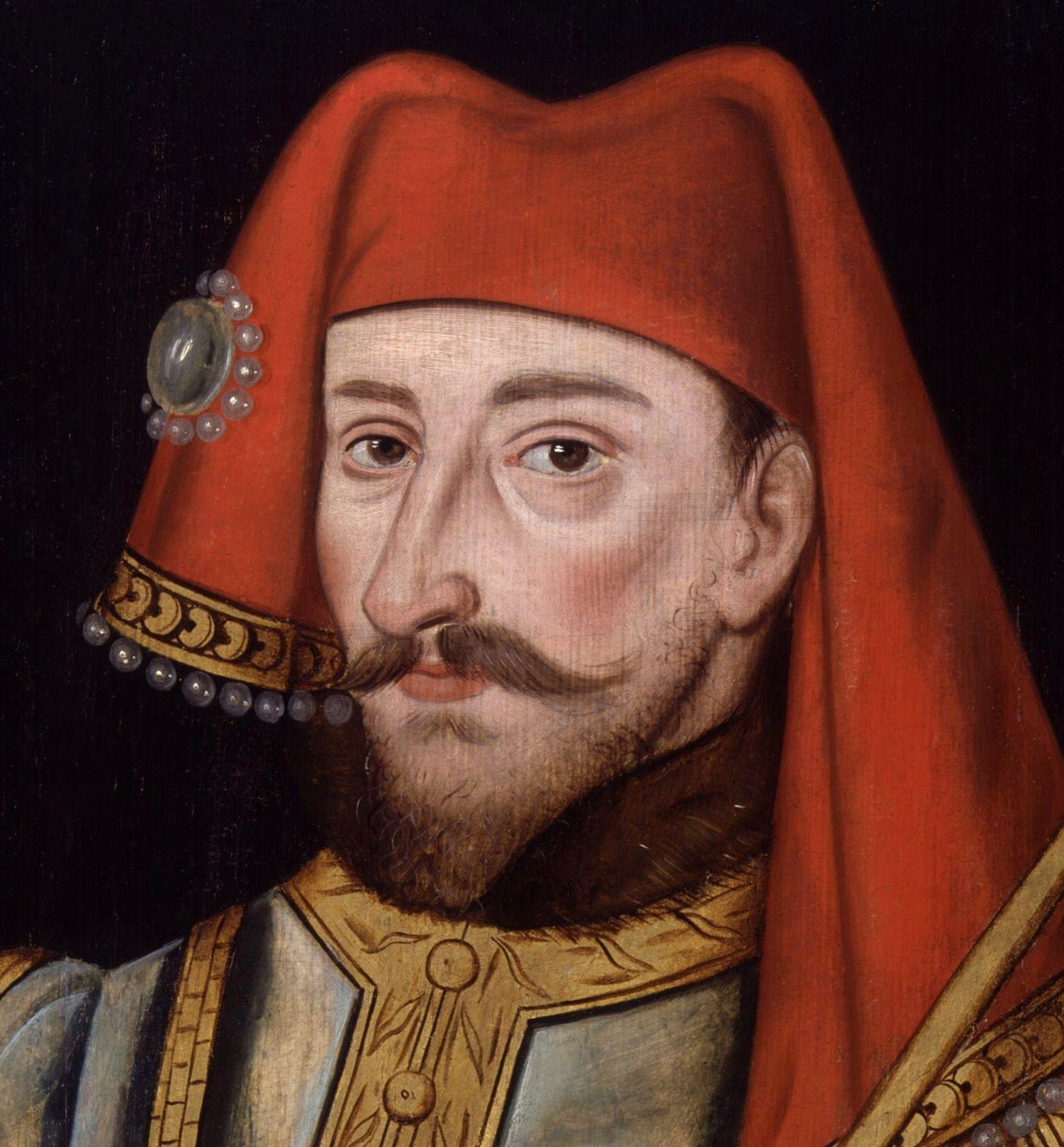
The most famous event of the year in Western Europe was the fall of King Richard II and the accession of Henry Bolingbroke as Henry IV. Bolingbroke returned from exile, built support among nobles, and forced Richard to surrender the crown; this marked the beginning of the Lancastrian line within the Plantagenet dynasty. The change of regime intensified factional rivalries and contributed to political instability that would culminate in renewed civil conflict in the 15th century.
Eastern Europe and the Eurasian steppe
On 12 August 1399 the Battle of the Vorskla River ended in a decisive defeat for the army led by Grand Duke Vytautas of Lithuania. Lithuanian and allied forces seeking influence in the steppe were routed by Golden Horde troops, an outcome that checked western expansion into the Ukrainian plains for a time and emphasized the continued military strength of Tatar and Mongol successor states in regional politics.
Central Asia, the Middle East and wider context
The late 1390s were also shaped by the campaigns of Timur (Tamerlane), whose conquests had profound effects across Central Asia and the Middle East. Timur's sack of Delhi in 1398 was one among several campaigns that reconfigured power relations in South Asia and influenced states to the west. In Western Christendom, the Western Schism continued to complicate papal authority, while in Scandinavia the recently forged Kalmar Union reflected another trend toward political consolidation.
Notable deaths and consequences
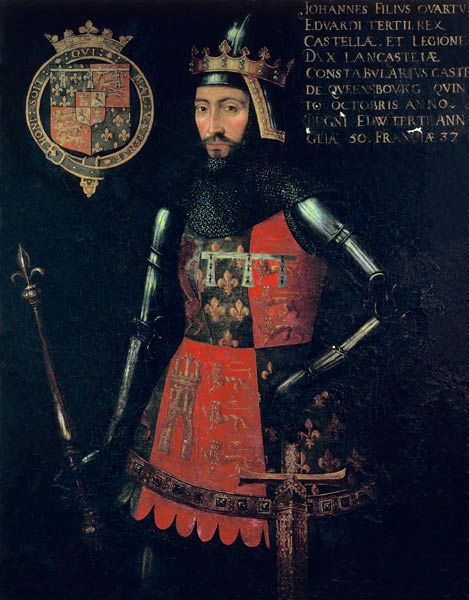
- John of Gaunt — his death in 1399 removed a significant political counterweight and helped precipitate events in England.
- Richard II — deposed in 1399; his removal and later death affected notions of royal legitimacy.
- Grand leaders and regional rulers — numerous nobles and commanders were killed or displaced in the year’s campaigns, altering local power balances.
Significance and legacy
Events of 1399 illustrate how personal rivalries, sudden deaths, and large military movements could rapidly reshape political geographies. England’s dynastic shift had long-term consequences for governance and conflict, while defeats like Vorskla slowed some northern and western ambitions in the Eurasian steppe. Taken together, occurrences in 1399 reflect the volatility of late medieval politics and the interconnectedness of regional developments across Europe and Asia.
Related articles
Author
AlegsaOnline.com 1399 — Year of political upheaval and shifting power Leandro Alegsa
URL: https://en.alegsaonline.com/art/111320