
1113 (year)
Year 1113 (MCXIII) was a common year starting on Wednesday of the Julian calendar. It is noted for papal recognition of the Knights Hospitaller and for its place in the political and religious landscape of the early 12th century.
Overview
The year 1113 (MCXIII) was a common year starting on Wednesday of the Julian calendar. Contemporary records and later chronologies place it within a period of consolidation after the First Crusade, ongoing monastic reform in Western Europe, and active diplomacy between rulers of Latin Christendom, Byzantium and the Muslim states of the Near East. For calendar reference see the full calendar and for the Julian system see the Julian calendar. General entries and chronologies are collected under 1113.
Image gallery
1 Image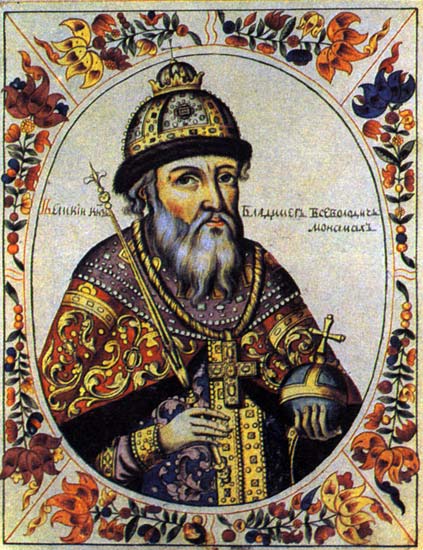
Political and military context
In 1113 established monarchs and emperors shaped affairs across Eurasia. In Western Europe feudal monarchies such as the Kingdom of England and the Kingdom of France were consolidating royal authority. The Holy Roman Empire remained a central force in Central Europe, and the Byzantine Empire under Alexios I Komnenos continued to manage relations with Italian city‑states and the Seljuk Turks. The Crusader states, founded at the end of the previous century, were developing institutions and settlements that would define Latin presence in the Levant.
Notable events
- Religious and institutional development: Pope Paschal II issued formal recognition to the hospitaller brothers at Jerusalem, granting the community legal status and confirming possessions and privileges that enabled them to care for pilgrims and later to evolve into a military‑monastic order.
- Regional governance and diplomacy: rulers and church leaders negotiated territorial rights, ecclesiastical appointments and trade privileges that affected money, manpower and pilgrimage routes across the Mediterranean.
Social and cultural landscape
The early 12th century saw continued growth of Benedictine and Cluniac monasticism, the spread of Romanesque architecture, and the early development of schools that prefigured later medieval universities. Trade in the Mediterranean and along inland routes expanded, aided by Italian maritime cities and by contacts created through pilgrimage and crusading activity.
Legacy and sources
Historians rely on chronicles, papal bulls, charters and archaeological evidence to reconstruct 1113. The papal recognition of the hospitallers is often highlighted as a turning point that permitted that institution to hold property across Christendom and to become a major force in the later Crusader era. For broader context consult medieval chronicle compilations and specialized studies on 12th‑century institutions and diplomacy.
Related articles
Author
AlegsaOnline.com 1113 (year) Leandro Alegsa
URL: https://en.alegsaonline.com/art/111028