
1117 (MCXVII) — overview, notable events and historical context
Year 1117 (MCXVII) was a common year of the Julian calendar notable for a major northern Italian earthquake and events that reflected the fragmented political landscape of the early 12th century.
Year 1117 (MCXVII) was a common year beginning on Monday of the Julian calendar. Contemporary chronicles and later compilers record the year both by regnal years of rulers and by the Christian calendar; modern references sometimes list the year with links to a reconstructed calendar view such as 1117 (MCXVII) or a visual outline of the year's full calendar. The framework for dating in use across much of Europe remained the Julian calendar, which continued to guide ecclesiastical feasts and legal documents (Julian calendar).
Image gallery
1 Image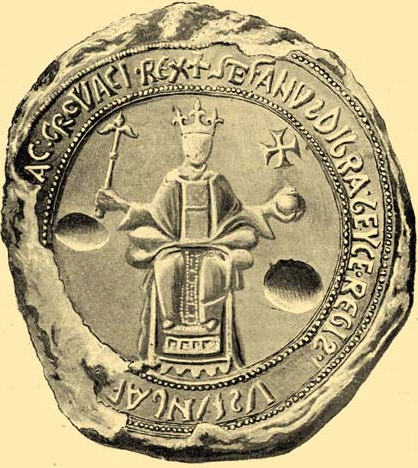
Overview
The early 12th century was a period of regional fragmentation and dynamic change. Authority was dispersed among monarchs, princes, bishops and urban communes. Across Western Europe, the legacy of the first crusading movement and shifting alliances among nobles shaped politics. In the eastern Mediterranean, the Byzantine Empire and Muslim states continued to maneuver for advantage. Written records from 1117 survive unevenly, so historians often rely on chronicles, charters and architectural evidence to reconstruct events.
Notable events
- The most widely attested single event of 1117 is a powerful earthquake in northern Italy, traditionally dated to early January. Contemporary sources describe extensive damage to churches, public buildings and towers in cities such as Verona and nearby towns, with effects reported across a broad region of the Po valley.
- Political life was dominated by local struggles: counts, bishops and city elites negotiated control of territories, fortified sites and trade routes. These contests produced shifting alliances rather than sweeping, continent-wide change.
- Cultural and religious life continued to evolve: monasteries, cathedrals and scriptoria remained centers for learning and manuscript production, which preserved many of the year's administrative and literary records.
Impact and significance
The earthquake of 1117 had immediate practical consequences: rebuilding, repairs and the replacement of damaged church furnishings occupied communities and redirected local resources. In a broader sense, the year illustrates the character of the period—local calamities and political maneuvering shaped everyday life more than single, empire-wide events. The surviving documentary traces from 1117 help historians study medieval urban development, construction techniques and the way communities responded to disaster.
Sources and historiography
Information about 1117 comes from a mixture of narrative chronicles, episcopal registers, legal charters and archaeological remains. Later medieval compilers sometimes conflated dates or events; modern historians therefore compare multiple sources, cross-reference archaeological evidence and situate reports within longer-term trends. For readers who wish to view calendars or primary-source summaries, see the linked year overview and calendar references above.
Notable facts
- 1117 is often cited in studies of medieval earthquakes because of the relatively wide geographic footprint of reported damage in northern Italy.
- The year is typical of the early 12th century in showing how regional powers, ecclesiastical authorities and urban centers interacted without a single dominant, stabilizing force across Europe.
Related articles
Author
AlegsaOnline.com 1117 (MCXVII) — overview, notable events and historical context Leandro Alegsa
URL: https://en.alegsaonline.com/art/111031
Sources
- storiamediterranea.it : "La Sicile et l'espace libyen au Moyen Age"